Get your free personalized podcast brief
We scan new podcasts and send you the top 5 insights daily.
To avoid resentment when hiring over an early employee, use the 'Giving Away Your Legos' framework from First Round Capital. It reframes the transition as a necessary and positive part of scaling, where everyone gives up parts of their job to enable company growth.

Related Insights
The primary purpose of hiring is not to add capacity for growth, but to free up the founder's time from low-value tasks. This allows the founder to reinvest their unique talents into activities that truly drive the business forward, making growth an outcome of strategic time reallocation.

Instead of hiding the decision to layer a star employee, Harvey's CEO advises involving them directly in the hiring process for their new manager. While this risks them leaving, it's a calculated bet on trust. Success means they respect the decision, feel valued, and are primed to learn from their new leader.

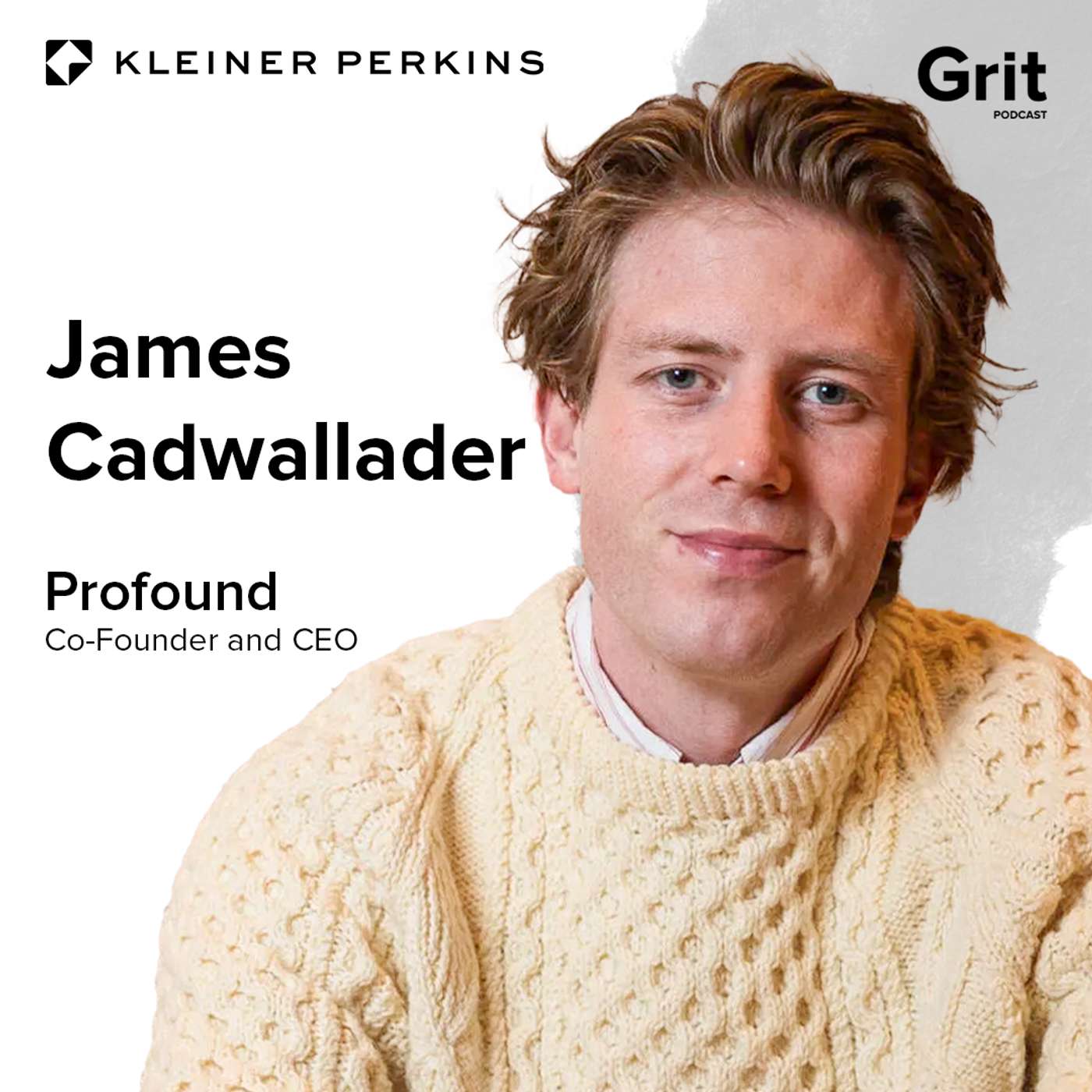
A scaling founder can avoid "breaking the model" during hypergrowth by hiring senior leaders with proven track records in similar environments. For example, Profound hired a CRO who previously scaled a company with the same target customer to $250M, bringing invaluable experience to manage chaos.
Amazon's "bar raiser" concept involves hiring senior experts who elevate the entire team's standard. This is crucial for areas where leadership lacks deep domain knowledge, as it avoids slow, on-the-job learning and brings in immediate, high-level expertise.

When hired externally into a role existing employees wanted, your first job is to build trust. Frame your presence as a net positive for their careers by understanding their goals and actively helping them grow. Show them you are an enabler for their success.

The primary goal of hiring should be to reclaim the founder's time from low-value tasks. This frees up the business's most valuable asset—the founder—to focus on high-leverage activities that truly drive growth, rather than simply adding capacity.
To protect a distinct and powerful culture at scale, a firm should avoid hiring senior leaders from the outside. Instead, hire talented people earlier in their careers and grow them into the firm's specific ways of operating, ensuring cultural alignment for the most critical roles.

In fast-growing companies, your role constantly expands. To keep up, you must delegate responsibilities you've mastered (your 'Legos') to tackle new, larger problems. Hoarding tasks you're good at will ultimately limit your career growth and bury you under a pile of work you've outgrown.

Younger managers often feel threatened when hiring someone more senior. This is an ego-driven mistake. Recruiting an 'all-star' who improves the team reflects well on the manager and demonstrates a powerful commitment to the company's success, not a personal weakness.
In a hypergrowth company, an early leader's domain will shrink in relative terms as the company expands. This can feel like a demotion but is a sign of success. Leaders who scale well overcome this emotional dissonance and focus on the company's increased total output.