Get your free personalized podcast brief
We scan new podcasts and send you the top 5 insights daily.
Leaders who naturally default to fast answers often rush conversations. Greene learned that forcing an intentional pause—marinating on inputs, listening deeply, and treating conversations like condensed creative briefs focused on objective and emotion—creates far more effective and meaningful engagements across C-suite interactions and team management.

Related Insights
Dr. Foster learned in medical rounds that resisting the urge to blurt out an answer, and instead pausing to think, made her appear more composed and confident. While it feels like an eternity internally, this brief silence externally reads as thoughtful assessment rather than panicked grasping.

Described as "absolutely unflappable," CMO Laura Kneebush reveals her method is a deliberate process, not just a personality trait. When faced with a crisis, she intentionally pauses, listens to understand all perspectives, thinks about the big picture, and only then creates a path forward.

Our natural tendency is to listen only enough to form a response. To break this habit, use the simple but powerful phrase "Tell me more." It forces you to stay present, allows the other person to elaborate, and ensures you fully understand their perspective before you speak, leading to deeper insights.

Mindfulness is a practical tool for leadership habit change, not just stress reduction. It trains the brain to create a small metacognitive space between a conversational stimulus and your automatic reaction. This pause allows you to consciously choose a better response, breaking cycles of poor communication habits.

As responsibilities grow, leaders often default to transactional interactions to save time, which erodes trust. The most impactful leaders learn to be fully present in each conversation, even if it means delaying another task. Culture is built one high-quality interaction at a time, not through rushed efficiency.

To combat the pressure to respond instantly, use strategic delays. You can pause, ask for a moment to think, ask a follow-up question, or paraphrase what you heard. These techniques buy valuable time to organize your thoughts and deliver a more coherent response.
A key leadership takeaway from Jack Dorsey is the power of listening. He often remains silent in meetings, not out of disinterest, but to fully absorb diverse opinions and synthesize information before speaking. This prevents premature influence and leads to more considered decisions.

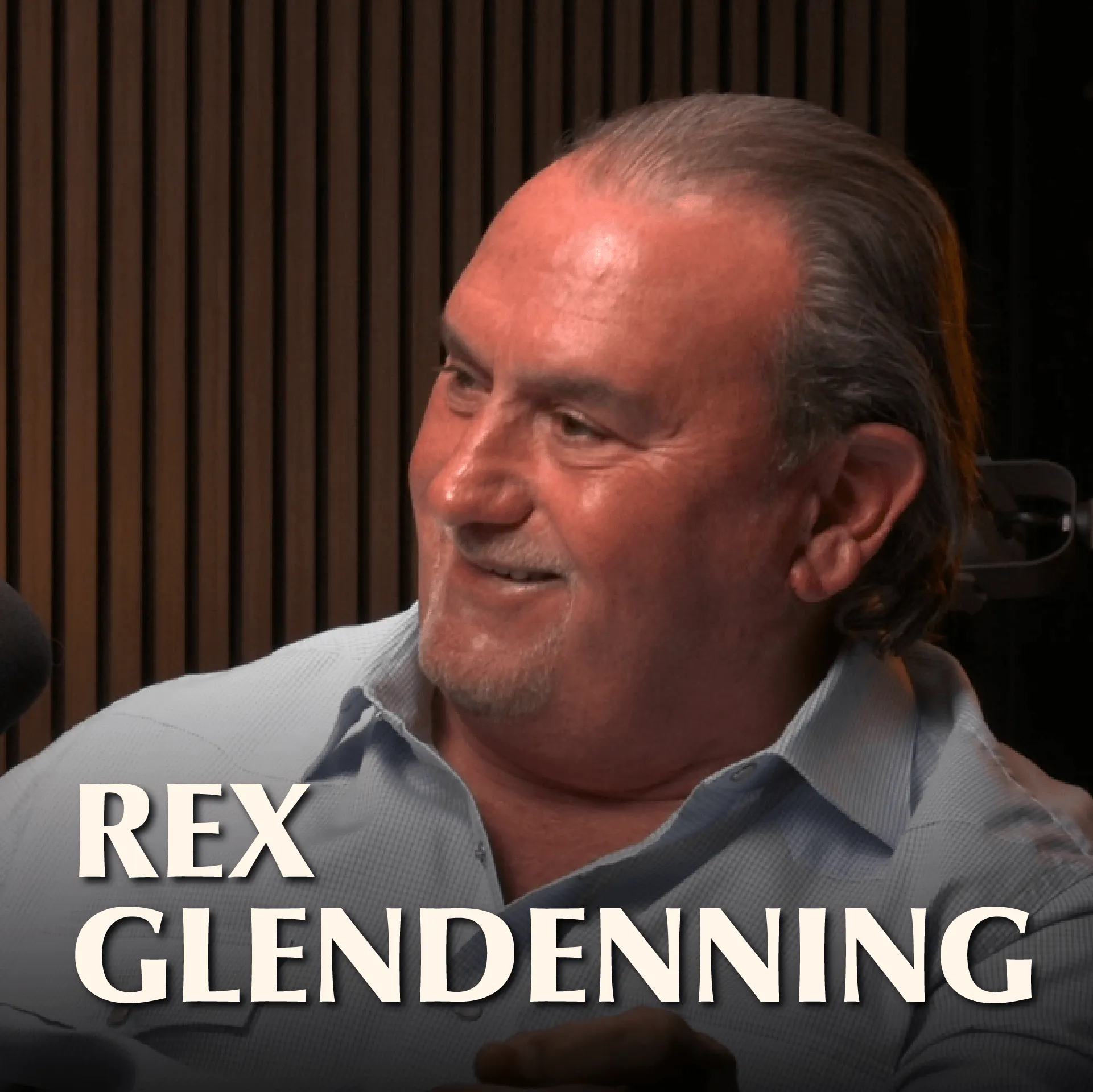
Glendenning applied a parenting lesson to business: knowing when not to talk is critical. He'd prepare everything for his kids' early track meets but wouldn't speak, respecting their 5 AM mindset. This builds trust, making later conversations more effective. The same applies to knowing an employee's or client's state of mind.
Effective spontaneous responses require listening beyond just words. Use the 'Pace, Space, Grace' framework: slow down your urge to respond immediately (Pace), create mental distance to see the larger context (Space), and give yourself permission to trust your intuition about the situation (Grace).
Amid constant pressure to move fast, Brené Brown asserts a leader's number one job is creating time for strategic thinking. This is achieved not by stopping, but by developing a complex skillset of anticipatory, temporal, and situational awareness—like an elite athlete who seems to slow down the game—to enable intelligent action.
