Get your free personalized podcast brief
We scan new podcasts and send you the top 5 insights daily.
A key leadership takeaway from Jack Dorsey is the power of listening. He often remains silent in meetings, not out of disinterest, but to fully absorb diverse opinions and synthesize information before speaking. This prevents premature influence and leads to more considered decisions.

Related Insights
To avoid groupthink and ensure all perspectives are heard, senior leaders should speak last. This allows junior team members to share their thoughts without being biased by leadership's opinions, fostering a more open and insightful discussion.

Charismatic, visionary leaders often have many ideas, but their constant input can inadvertently stifle their teams' creativity. To foster innovation, they must consciously create space for others to share their "slices of genius," for instance by intentionally remaining silent during the initial phase of meetings.
To ensure introverts' ideas are heard, Zappi starts meetings silently, with participants writing and voting on ideas before discussion. This technique counteracts the tendency for the loudest voices to drive decisions, leading to more thoughtful and inclusive outcomes from the entire team.

To avoid influencing their team's feedback, leaders should adopt the practice of being the last person to share their opinion. This creates a psychologically safe environment where ideas are judged on merit, not on alignment with the leader's preconceived notions, often making the best decision obvious.
NervGen's CEO, Adam Rogers, credits his father-in-law, Reebok founder Paul Fireman, with teaching him a key leadership skill: listening intently to synthesize all available information before speaking or making decisive moves. This approach allows for a more holistic and four-dimensional view of business challenges.

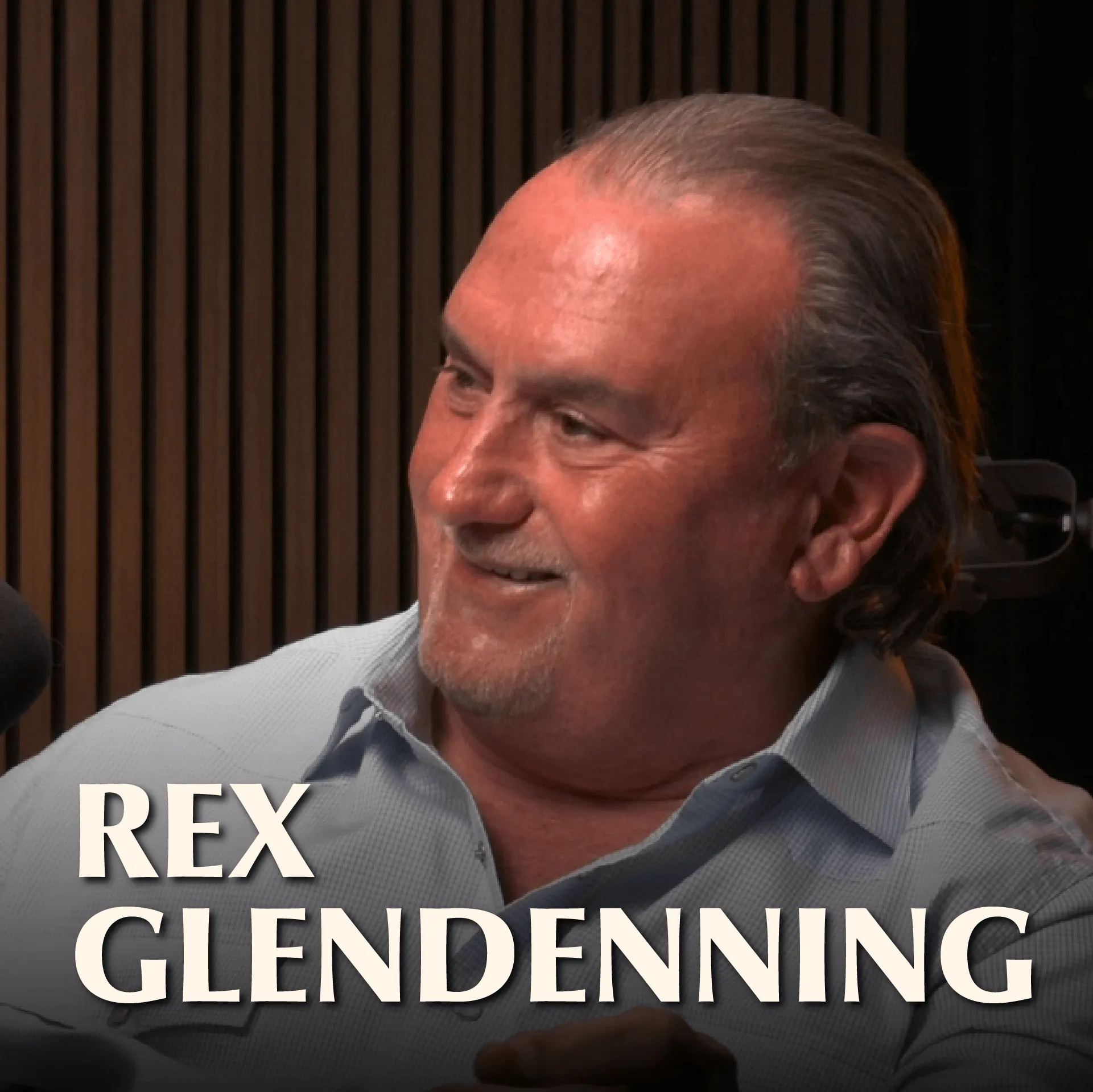
Glendenning applied a parenting lesson to business: knowing when not to talk is critical. He'd prepare everything for his kids' early track meets but wouldn't speak, respecting their 5 AM mindset. This builds trust, making later conversations more effective. The same applies to knowing an employee's or client's state of mind.
A key leadership trait of GM CEO Mary Barra is her practice of making herself "not the center of attention" in meetings. This intentional act brings out more voices and creates a more collaborative, less hierarchical environment where a wider range of ideas can be shared.
A common leadership flaw is quickly making a decision and then focusing on persuading others of its correctness. A more effective approach involves consulting multiple experts and being willing to admit fault. This shift from persuasion to listening is critical for making sound decisions.

Effective leaders often speak less, using silence strategically. Apple CEO Tim Cook is famously quiet in meetings. This is not passive; it's an active technique to create a vacuum that prompts others to talk more, volunteer information, and reveal their thinking. Silence is used as a form of power and information gathering.

Junior investors often feel pressure to contribute in meetings. However, the most effective path is to actively listen and learn for an extended period. This builds a deep understanding, ensuring that when you do speak, your contributions are insightful and impactful, not just noise.