Get your free personalized podcast brief
We scan new podcasts and send you the top 5 insights daily.
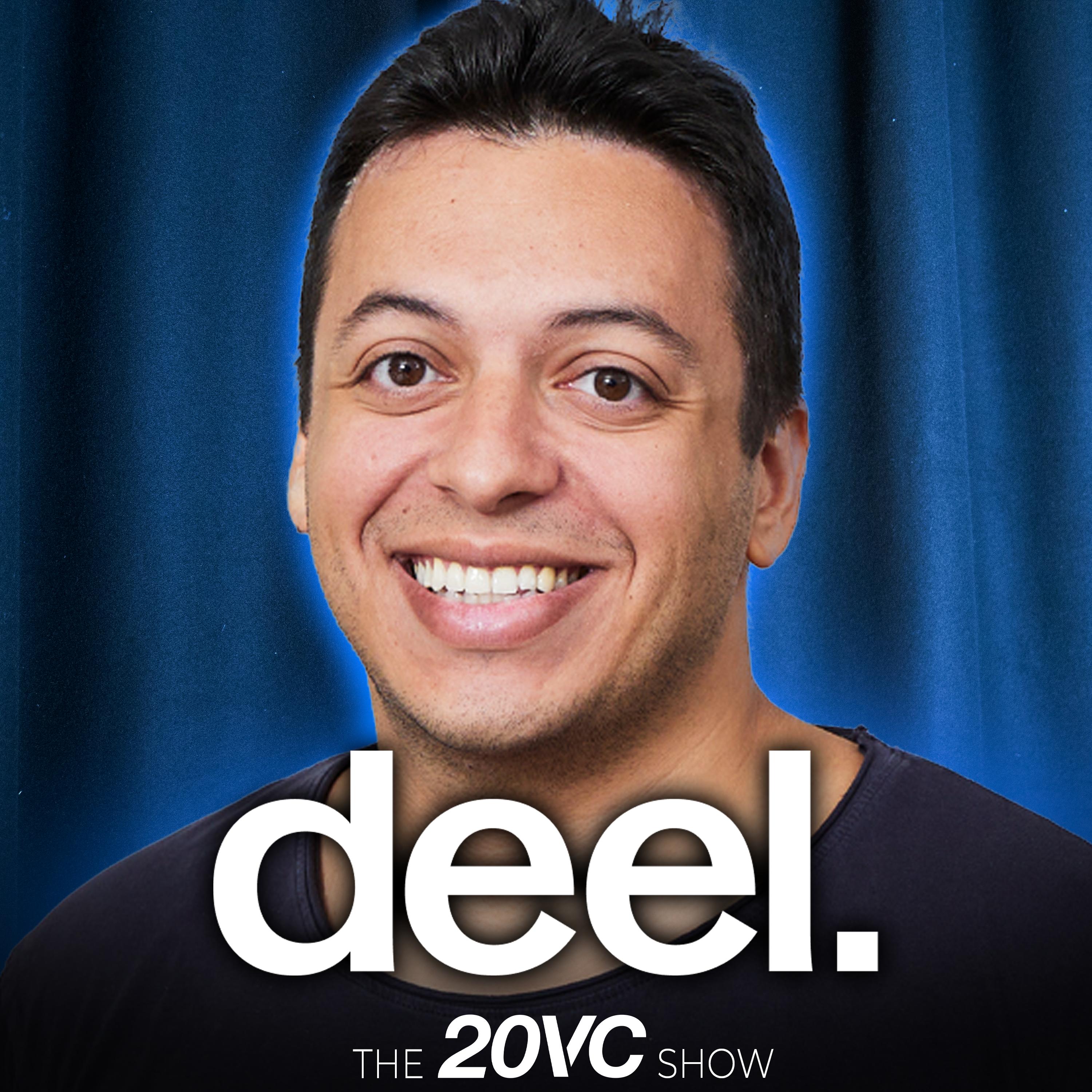
Deel appointed co-founder Shuo as Chief Revenue Officer. CEO Alex Bouaziz states a founder in this role cares more deeply about details than a typical professional hire, which made a significant difference in their go-to-market execution and revenue scaling.

Related Insights
Veteran CRO Carlos Delatorre prioritizes opportunities with complex products requiring a sophisticated sales motion. This environment allows him to leverage his expertise in building teams that can translate technical features into business value, create demand, and navigate internal customer politics, thereby making the market bigger.

Even at significant scale, Alex Bouaziz maintains a deeply hands-on approach, believing it's a critical cultural pillar. Being involved in day-to-day problems and customer issues prevents him from being too far removed from the business. This proximity allows him to identify flaws in org design, response times, and processes that are invisible from a '10,000-foot view'.
Don't dilute a CRO's value—leadership, hiring, and customer-facing skills—by bogging them down with data analysis. Supplement their strengths with a dedicated RevOps person who manages the data, allowing the CRO to focus on high-leverage activities.
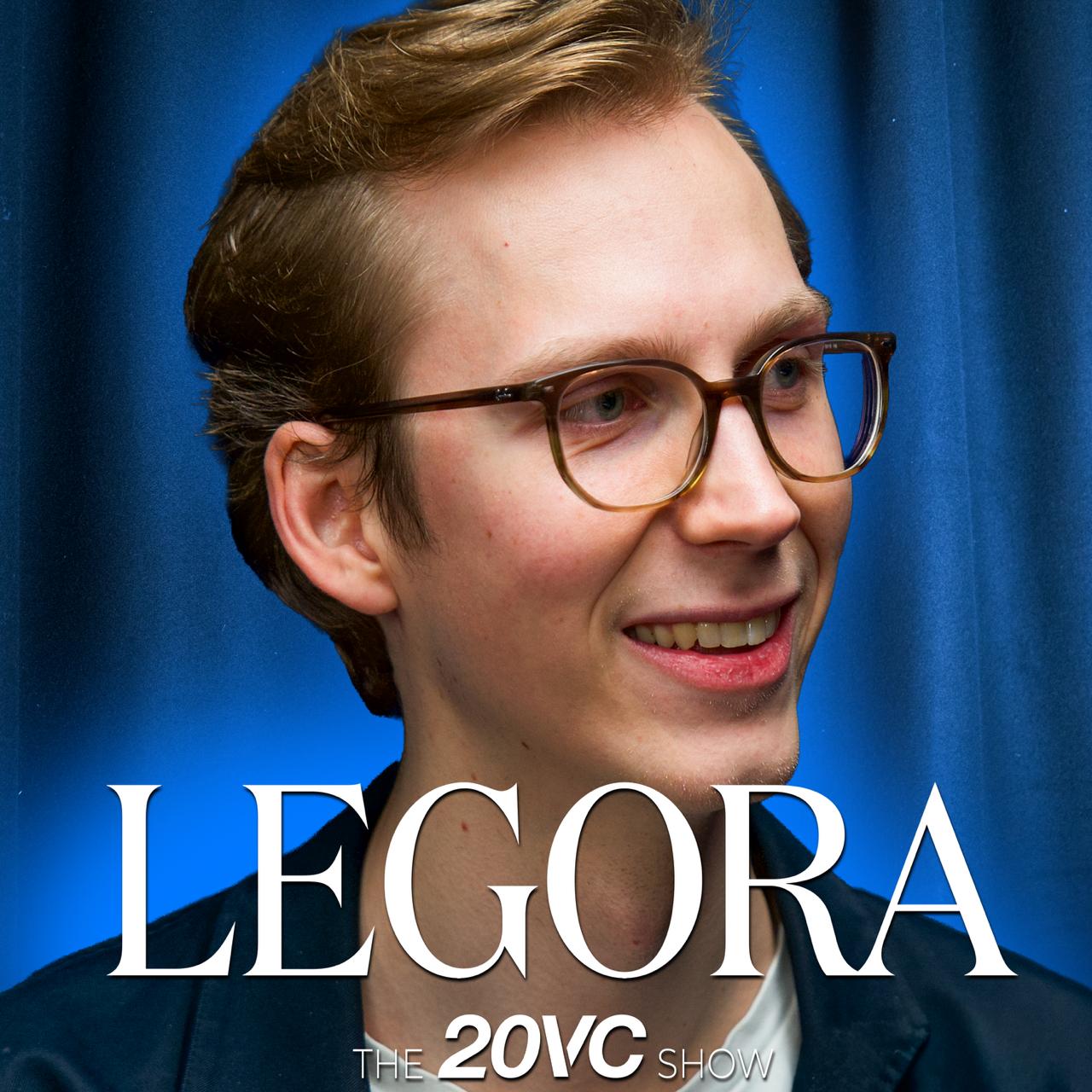
Legora has successfully scaled its product organization by hiring former YC founders to lead autonomous 'pods.' This strategy leverages the fact that founders excel in environments with high ownership and delegated responsibility, allowing them to operate their product area like a mini-startup and maintain development velocity.
To transition from working 'in the business' to 'on the business,' Snowflake's CRO was told his hands-on, 'deal hound' approach wouldn't work at scale. The solution was to hire other capable 'drivers,' trust them to do their jobs, and hold them accountable. If a leader has to do their team's job, it's a problem with the team member.
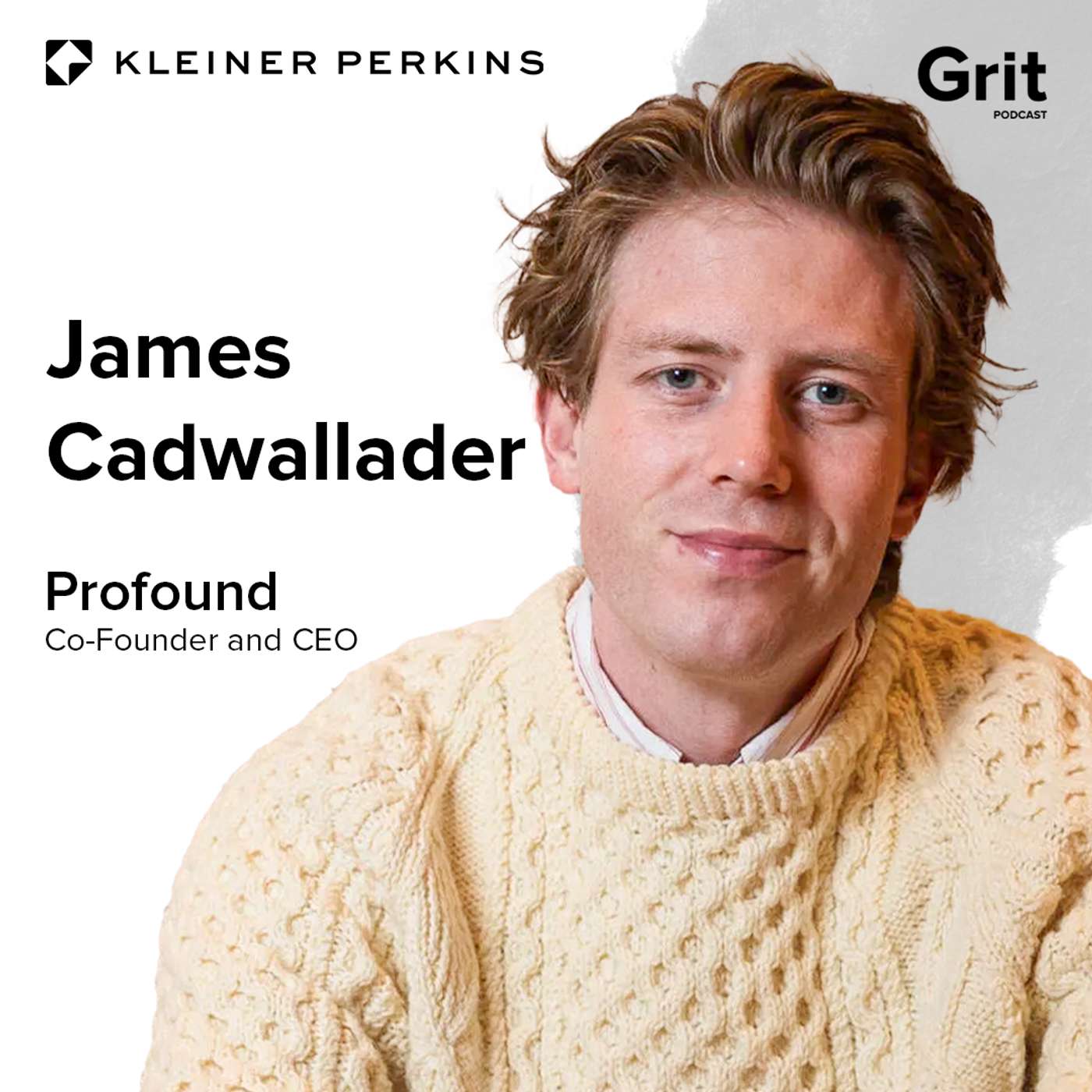
A scaling founder can avoid "breaking the model" during hypergrowth by hiring senior leaders with proven track records in similar environments. For example, Profound hired a CRO who previously scaled a company with the same target customer to $250M, bringing invaluable experience to manage chaos.
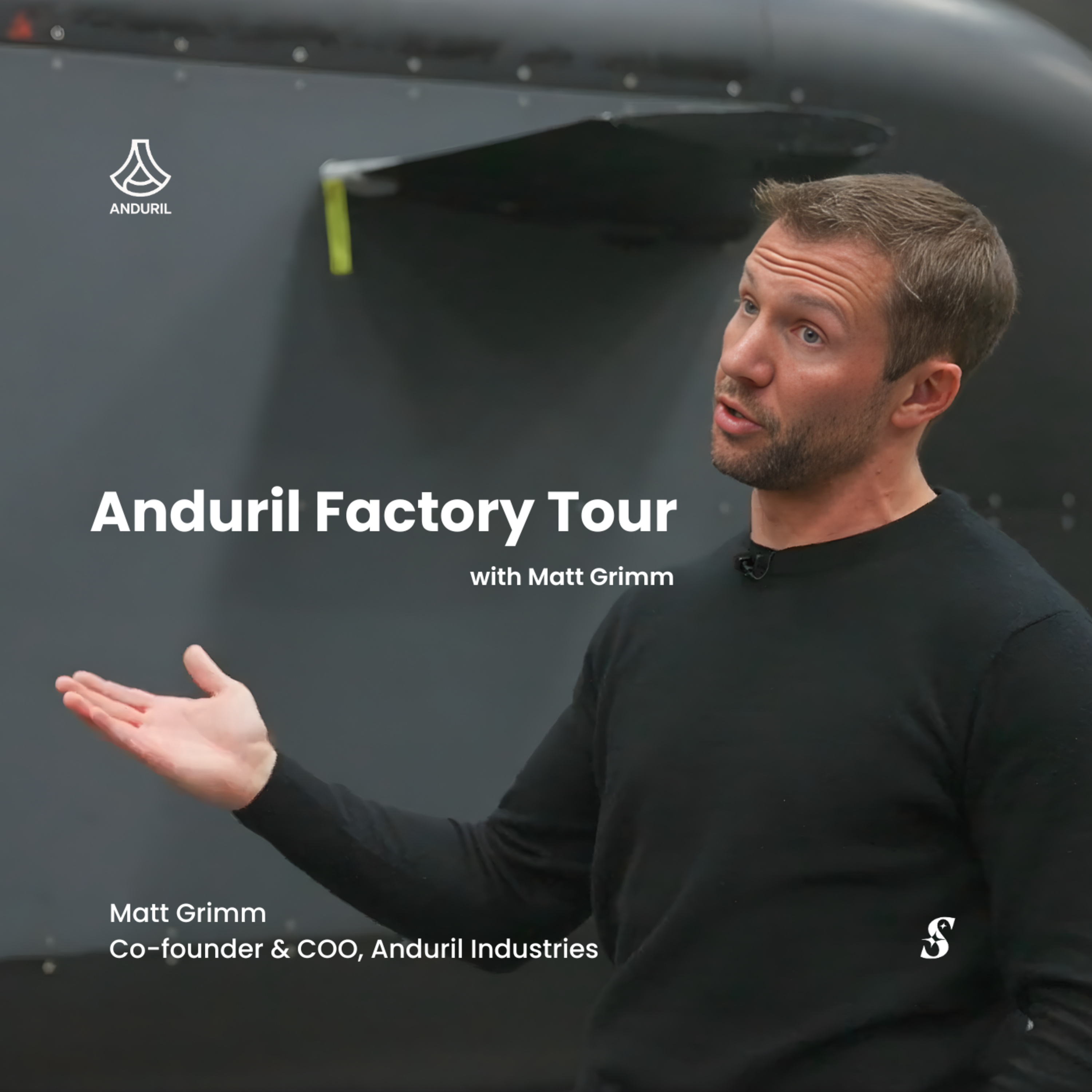
As Anduril scaled, its founders specialized. Palmer Luckey drives product innovation. CEO Brian Schimpf is the strategic 'genius' who sees the global chessboard. Trey Stephens handles investor relations and brand marketing. Matt Grimm acts as COO, the 'chief janitor' managing the complex operational guts of the company.
At the $1-10M ARR stage, avoid junior reps or VPs from large companies. The ideal first hire can "cosplay a founder"—they sell the vision, craft creative deals, and build trust without a playbook. Consider former founders or deep product experts, even with no formal sales experience.

To scale his company Exit Five, the founder (the "Visionary") promoted his COO to CEO (the "Integrator"). This structure, from the book *Traction*, allows the creator to focus on ideas and content while the operator runs the business, manages the team, and implements processes.

To improve founder retention after an acquisition, Deel's CEO has them report directly to him for a period. This approach provides autonomy, demonstrates their importance to the company's long-term vision, and shows that their expertise is valued at the highest level.