Get your free personalized podcast brief
We scan new podcasts and send you the top 5 insights daily.
According to Van Jones, cable news has pivoted from breaking news to manufacturing conflict. The primary goal is no longer live reporting but creating contentious segments designed to be clipped and go viral on social media, fundamentally changing the business.

Related Insights
The primary function of cable news has shifted. It no longer breaks news but instead produces segments specifically designed to be clipped and go viral on social media platforms. Its main impact is now on the broader internet conversation, not its direct viewership.

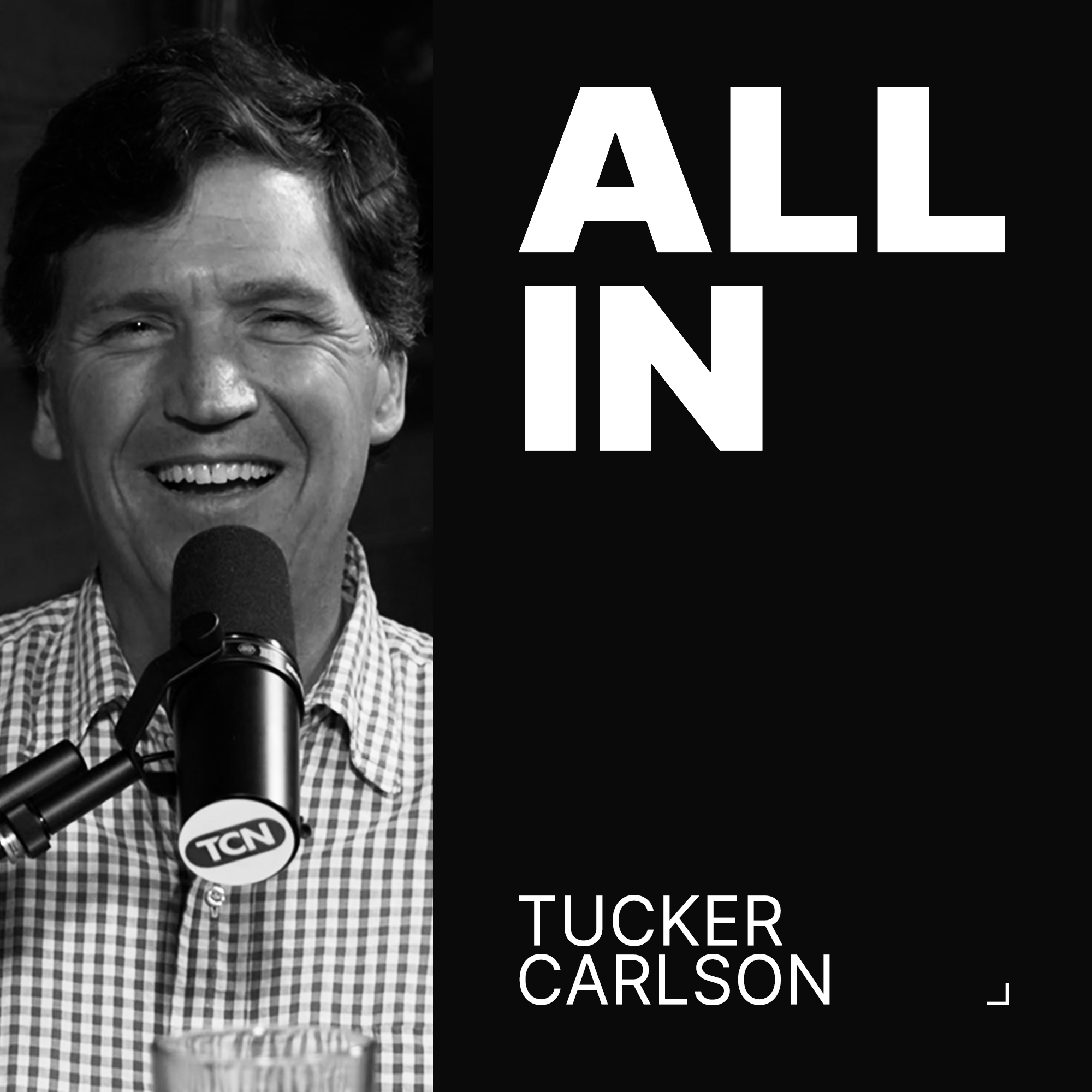
Tucker Carlson argues that legacy media brands have lost their power to shape public opinion. Their value is now primarily brand recognition, not their content's impact. True cultural influence has shifted to decentralized, creator-driven platforms like YouTube and X.
Cable news and social media don't show the average person who votes differently. They blast the loudest, most cartoonish "professional lunatics" from the opposing side. This creates a false impression that the entire opposition is extreme, making tribalism seem rational.

The enduring success of iconic cable shows like MSNBC's 'Morning Joe' and CNBC's 'Squawk Box' is attributed not to overly friendly hosts, but to a 'productive tension' between them. This genuine dynamic, featuring differing viewpoints, is more compelling to audiences than manufactured camaraderie.

Mainstream media outlets often function as propaganda arms for political factions, not sources of objective truth. Consumers should treat them as such, using outlets like CNN for the left's narrative and Fox for the right's, simply to understand the official talking points of each side.

A/B testing on platforms like YouTube reveals a clear trend: the more incendiary and negative the language in titles and headlines, the more clicks they generate. This profit incentive drives the proliferation of outrage-based content, with inflammatory headlines reportedly up 140%.
Despite declining viewership, legacy media institutions like The New York Times and Washington Post remain critical because they produce the raw content and shape the narratives that fuel the entire digital ecosystem. They provide the 'coal' that other platforms burn for engagement, giving them unrecognized leverage.
The 20th-century broadcast economy monetized aspiration and sex appeal to sell products. Today's algorithm-driven digital economy has discovered that rage is a far more potent and profitable tool for capturing attention and maximizing engagement.

The common mantra 'go woke, go broke' is backward. US media revenue cratered 75% due to the internet's rise. This financial brokenness forced extreme message discipline ('wokeness') as a desperate survival strategy to retain jobs and a shrinking audience base. Financial collapse preceded the ideological shift.

The era of limited information sources allowed for a controlled, shared narrative. The current media landscape, with its volume and velocity of information, fractures consensus and erodes trust, making it nearly impossible for society to move forward in lockstep.