Get your free personalized podcast brief
We scan new podcasts and send you the top 5 insights daily.
For a winery selling from a lesser-known region like Abruzzo, a newsletter's goal shouldn't be to push sales. It should be a resource for ideas and education—food pairings, regional history, cooking tips. This builds trust and positions the brand as an authority, which indirectly drives sales.

Related Insights
Most content fails because its intention is selfish: to convert a user. A successful strategy treats the content itself as the final product, designed solely to provide value and build a relationship. This consumer-centric approach, which avoids treating content as a top-of-funnel tactic, is what builds long-term trust and a loyal audience.

To create compelling educational email content, use this heuristic: is it interesting enough that a reader could bring it up at the dinner table and sound smart? This 'dinner table test' ensures your content provides genuine value, building brand affinity beyond just pushing promotions.

A critical mistake in content creation for sales is leading with a product pitch. Instead, content should share insights that highlight a customer's problem, sparking a conversation. This strategy positions the salesperson as a trusted advisor who guides the buyer to the solution, rather than just a vendor pushing a product.

Only 5% of your audience is ready to buy. For the other 95%, the goal is to build "mindshare"—a runway of awareness and trust through valuable content. This ensures that when they eventually enter a buying cycle, your brand is already a known and respected entity.

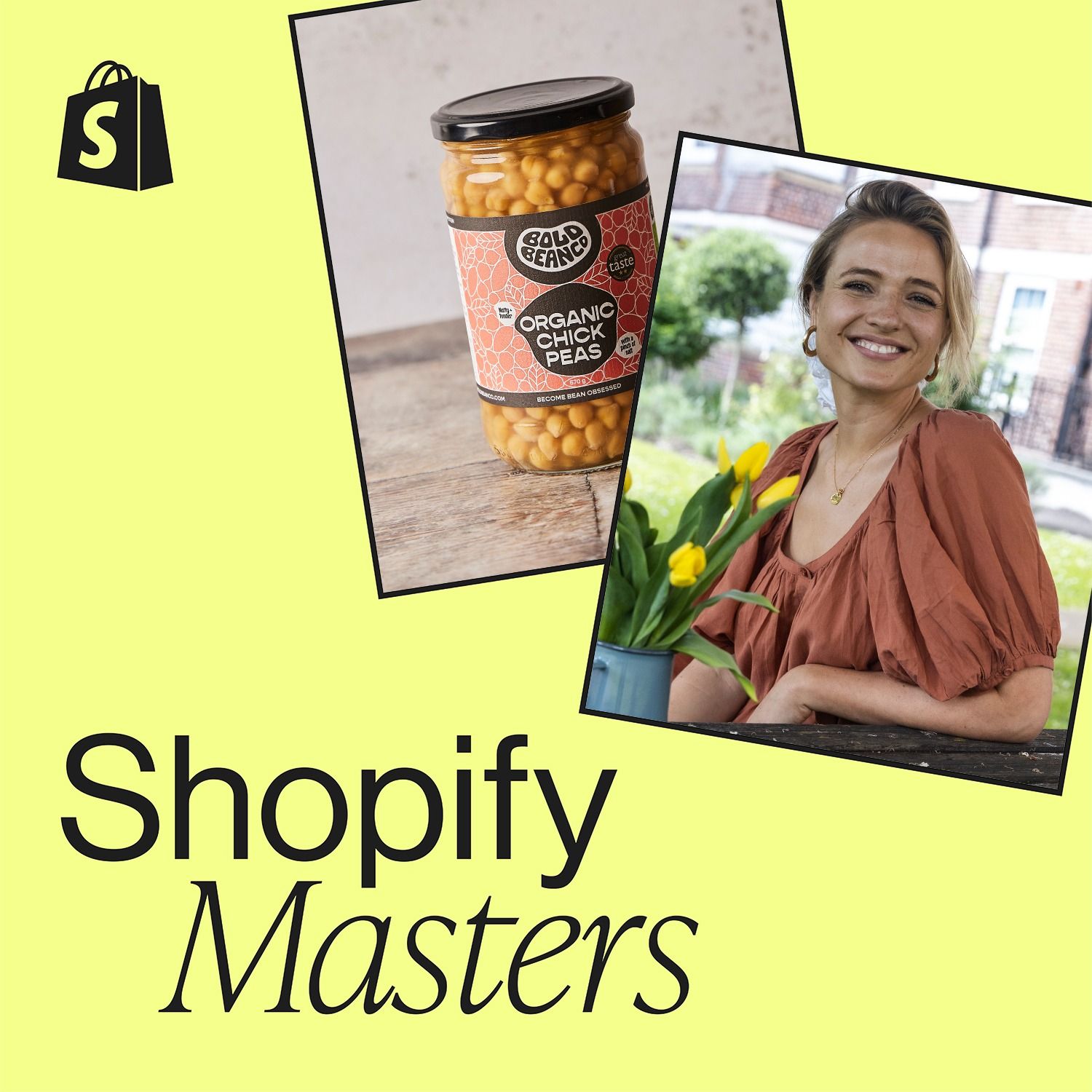
The brand avoids direct sales pitches in its content. Instead, it provides value by publishing hundreds of free recipes. This "give first" strategy builds trust and a long-term relationship, leading to organic purchases when consumers are ready to buy at the supermarket.
Effective B2B content marketing involves giving away valuable secrets, not just pitching services. Instead of saying "hire me," create content that teaches potential clients how to fix common problems themselves. This demonstrates true expertise, builds trust, and makes them more likely to hire you for complex issues.
To grow their email list organically, Province of Canada sent a daily email with an interesting fact about Canada. This non-promotional content got them into people's inboxes daily, building brand affinity and an audience that they could later market to, proving that value can be detached from the product itself.

To succeed today, a CPG brand's primary function must be content creation. The strategic imperative is to think and act like a media company that happens to sell a food or beverage product, not the other way around. This reframes the entire business model and priorities.
A common content marketing mistake is giving away tactical "how-to" steps, leaving nothing to sell. Instead, educate your audience on the conceptual "what" and "why" (declarative knowledge). This builds trust and demonstrates expertise, creating demand for the step-by-step implementation (procedural knowledge), which is your paid product.

Your content doesn't have to be about your business. By creating posts around interests that correlate with your ideal customer—like reviewing expensive wines to attract wealthy individuals—you build a connection. This interest-based content serves as a trojan horse for lead generation.