Get your free personalized podcast brief
We scan new podcasts and send you the top 5 insights daily.
AI prototyping should be viewed as a fundamental skill for modern PMs, not an extra job responsibility. Just like using Figma to communicate design, AI prototyping tools allow PMs to make abstract AI concepts tangible for stakeholders and customers. This accelerates feedback loops and improves alignment on complex product behaviors.

Related Insights
Vercel's Pranati Perry explains that tools like V0 occupy a new space between static design (Figma) and development. They enable designers and PMs to create interactive prototypes that better communicate intent, supplement PRDs, and explore dynamic states without requiring full engineering resources.

AI tools are blurring the lines between product, design, and engineering. The future PM will leverage AI to not only spec features but also create mockups and even write and check in code for smaller tasks, owning the entire lifecycle from idea to delivery.

Traditional "writing-first" cultures create communication gaps and translation errors. With modern AI tools, product managers can now build working prototypes in hours. This "show, don't tell" approach gets ideas validated faster, secures project leadership, and overcomes language and team barriers.
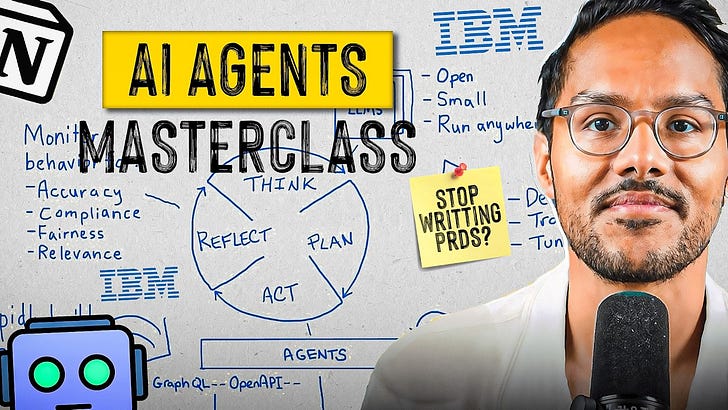
The traditional workflow (Idea -> PRD -> Alignment) is outdated. Now, PMs first create a functional AI prototype. This visual, interactive artifact is then brought to engineers and scientists for debate, accelerating alignment and making the development process more creative and collaborative from the start.
Capable AI coding assistants allow PMs to build and test functional prototypes or "skills" in a single day. This changes the product development philosophy, prioritizing quick validation with users over creating detailed UI mockups and specifications upfront.

For PMs struggling to get AI experience at their current job, building a ChatGPT app serves as a powerful portfolio project. The end-to-end process—from prompting an idea to running evals—simulates the full AI product development lifecycle, demonstrating valuable, hands-on skills to potential employers.
AI tools like Vibe Coding remove the traditional dependency on design and engineering for prototyping. Product managers without coding expertise can now build and test functional prototypes with customers in hours, drastically accelerating problem-solution fit validation before committing development resources.

Historically, resource-intensive prototyping (requiring designers and tools like Figma) was reserved for major features. AI tools reduce prototype creation time to minutes, allowing PMs to de-risk even minor features with user testing and solution discovery, improving the entire product's success rate.
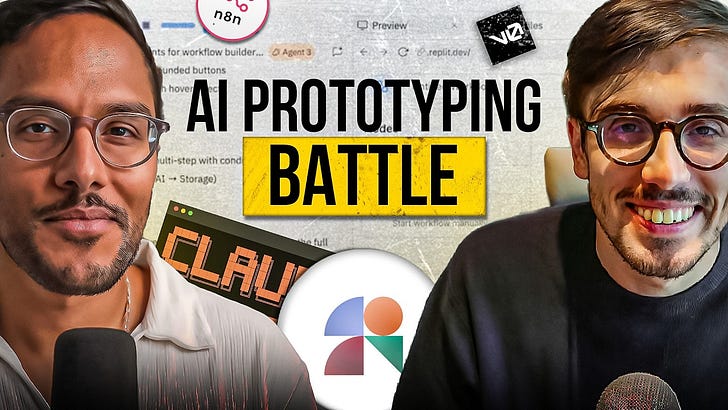
Instead of asking designers to create mockups from a verbal brief, PMs can use AI tools to generate multiple visual explorations themselves. This allows them to bring more concrete, refined ideas to the table, leading to a richer and more effective collaboration with the design team.
In an AI-driven workflow, the primary value of a rapid prototype is not for design exploration but as a communication tool. It makes the product vision tangible for stakeholders in reviews, increasing credibility and buy-in far more effectively than a slide deck.