Get your free personalized podcast brief
We scan new podcasts and send you the top 5 insights daily.
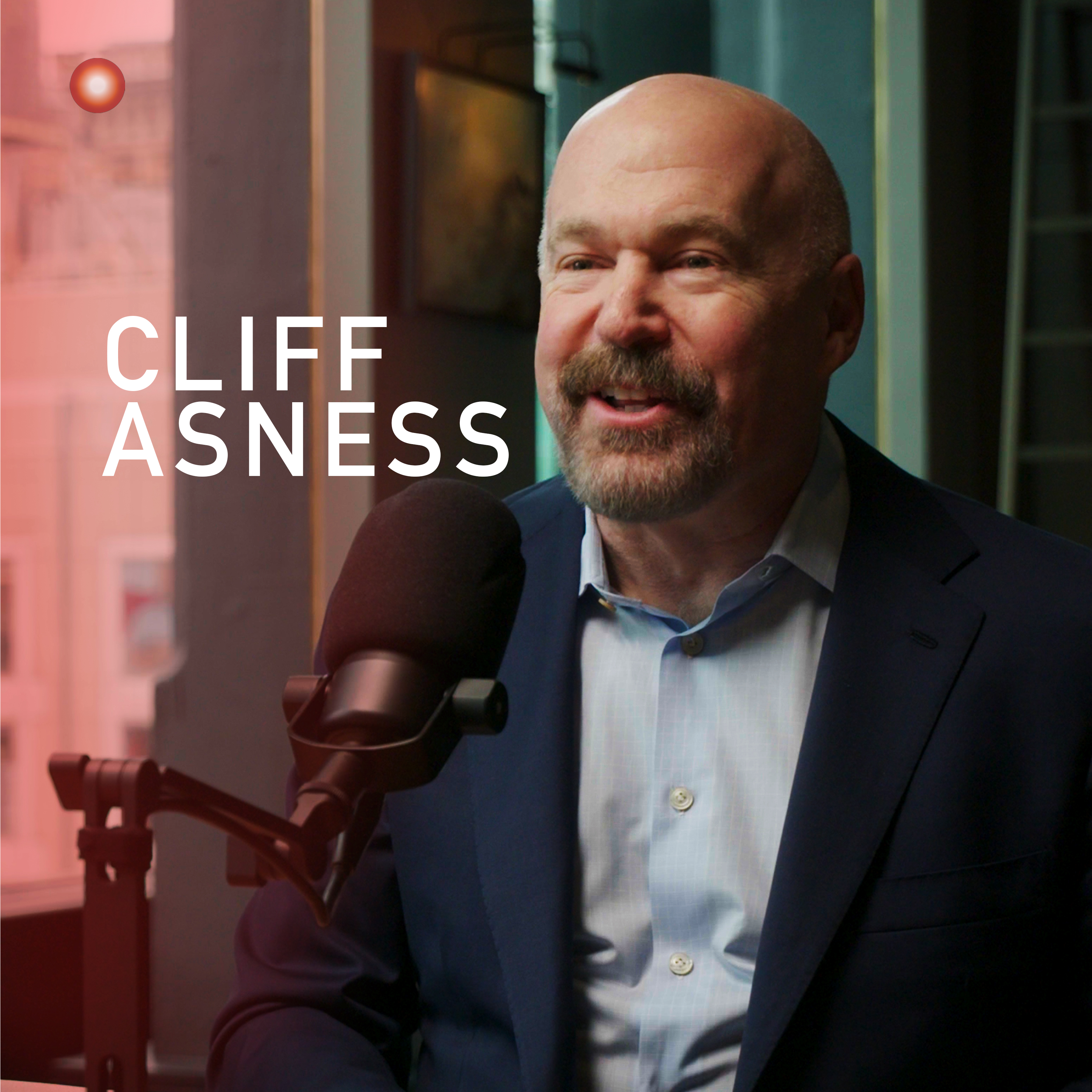
Despite rational strategies, top quant Cliff Asness confesses to feeling the emotional sting of losses far more intensely than the pleasure of gains, a classic example of prospect theory in action. This human element persists even at the highest levels of quantitative finance.
Related Insights
To avoid making emotionally-driven changes after a losing streak—which Cliff Asness calls his "only negative five sharp ratio strategy"—AQR delays implementing major model adjustments for six months. This forced cooling-off period ensures decisions are based on rigorous research, not recent performance.
Top investors experience an "asymmetry of emotion." The pleasure of significant gains is muted—a feeling of satisfaction rather than euphoria. However, the pain of losing capital, particularly during irrational market events, is disproportionately intense, driven by the responsibility of managing other people's money.

Cliff Asness argues that quant strategies like value investing persist through all technological eras because their true edge is arbitraging consistent human behaviors like over-extrapolation. As long as people get swept up in narratives and misprice assets, the quantitative edge will remain.
Post-mortems of bad investments reveal the cause is never a calculation error but always a psychological bias or emotional trap. Sequoia catalogs ~40 of these, including failing to separate the emotional 'thrill of the chase' from the clinical, objective assessment required for sound decision-making.

Molly observed that extremely wealthy players reacted to losses with disproportionate fear and anger, despite the amounts being trivial to their net worth. This reveals that for high-achievers, losing triggers a deep-seated fear of losing control, making it a powerful psychological threat, not just a financial one.

While losses on long positions are common, the experience of a short position moving sharply higher is a uniquely gut-wrenching feeling due to its unlimited loss potential. This highlights the asymmetric risk of shorting and provides a visceral lesson in risk management that every trader should understand, even if only on a small scale.

AQR's Cliff Asnes highlights that a prolonged period of underperformance is psychologically and professionally more damaging than a sharper, shorter drop. Enduring a multi-year drawdown erodes client confidence and forces painful business decisions, even if the manager's conviction in their strategy remains high.

Based on Daniel Kahneman's Prospect Theory, once investors feel they are losing money, their behavior inverts. Instead of cutting losses, they adopt a "double or nothing" mentality, chasing high-risk gambles to escape the psychological pain of loss.

We focus on how to win, but failure is inevitable. How you react to loss determines long-term success. Losing money triggers irrational behavior—chasing losses or getting emotional—that derails any sound strategy. Mastering the emotional response to downswings is the real key.

Despite major professional wins like a number one bestselling book, Scott Galloway reveals that a year of flat investment returns still weighs on him mentally. This highlights how even wealthy individuals can feel an "addiction to money" and benchmark their personal success against market performance, separate from their primary career achievements.
