Get your free personalized podcast brief
We scan new podcasts and send you the top 5 insights daily.
Following a joint US-Israel war against Iran, key figures in the Trump administration began publicly airing their pre-war reservations. This orchestrated leaking suggests a conscious effort to shift blame and reframe the narrative, distancing Washington from the operation's outcomes as the conflict winds down.

Related Insights
While the US and Israel launched a joint military campaign against Iran, subsequent peace negotiations were handled exclusively by the US. This reveals that despite their close alliance, America unilaterally dictates the terms for ending conflicts, leaving Israel with little choice but to comply.
The US needed a conflict that offered the 'appearance of victory' and could be quickly concluded. Israel's goals were more fundamental: ensuring it could never again face a surprise attack, implying a longer, more disruptive war. This misalignment created strategic tension between the allies.

The US, under President Trump, is shifting focus to securing energy interests in its conflict with Iran, even redefining "regime change" to claim victory. This pragmatic pivot clashes with Israel's steadfast goal of completely weakening the Iranian regime, creating a significant strategic divergence and leaving Israeli security interests potentially unaddressed.

A major part of Trump's political brand was his opposition to costly, "endless wars" and nation-building. The large-scale military operation in Iran represents a complete departure from this philosophy, raising questions about what prompted such a fundamental and unexplained shift in his foreign policy.
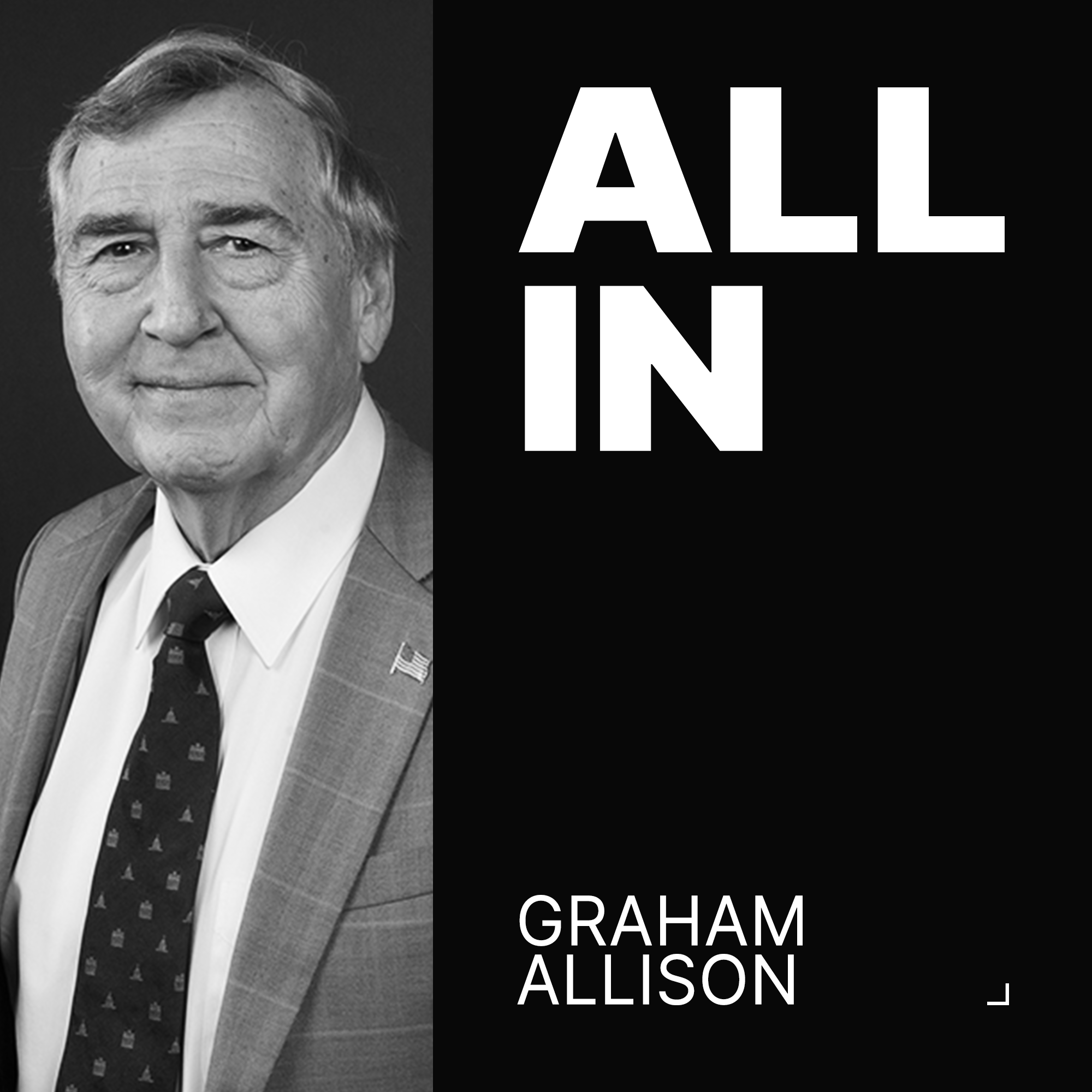
The US attack on Iran was not part of a grand strategy, but the result of Israeli PM Benjamin Netanyahu's two-decade campaign to persuade a US president to act. Professor Allison describes Netanyahu as a 'magician' who successfully 'mesmerized' President Trump into initiating what is effectively 'Bibi's war.'
Israel's initial war plan was a targeted campaign against Iran's ballistic missile project. The conflict escalated into a broader, less attainable mission of regime change after the Trump administration joined, demonstrating how a powerful ally's involvement can lead to strategic "mission creep."
The admission that the US strike on Iran was preemptive to an Israeli attack has alienated the isolationist "America First" wing of the Republican party. This reveals a deep ideological split, where actions perceived as prioritizing Israeli security over American interests are causing key MAGA figures to revolt.
President Trump and his administration are sending contradictory signals on the Iran conflict, simultaneously claiming it is 'very complete' while also preparing for further action. This inconsistency confuses markets and allies, pointing to a severe lack of a coherent and unified strategy within the administration.

The sudden dismissal of three generals while the administration claims a smooth, imminent withdrawal from Iran suggests a hidden agenda. This discrepancy hints at potential escalations, like a rumored ground operation, contradicting the official story.

Key US allies have incentives for America to enter a conflict with Iran but not win decisively. The ideal outcome for them is a weakened Iran and a distracted, overextended America that is more dependent on their cooperation. This subverts the simple narrative of a unified coalition, revealing a complex web of self-interest.