Get your free personalized podcast brief
We scan new podcasts and send you the top 5 insights daily.
The sudden dismissal of three generals while the administration claims a smooth, imminent withdrawal from Iran suggests a hidden agenda. This discrepancy hints at potential escalations, like a rumored ground operation, contradicting the official story.

Related Insights
The seemingly "Trumpiest" option of unilaterally declaring victory and withdrawing is highly risky. Iran could simply continue its hostile actions, such as keeping the Strait of Hormuz closed. This would immediately expose the "victory" as a sham, turning a political win into a major international humiliation for the president.
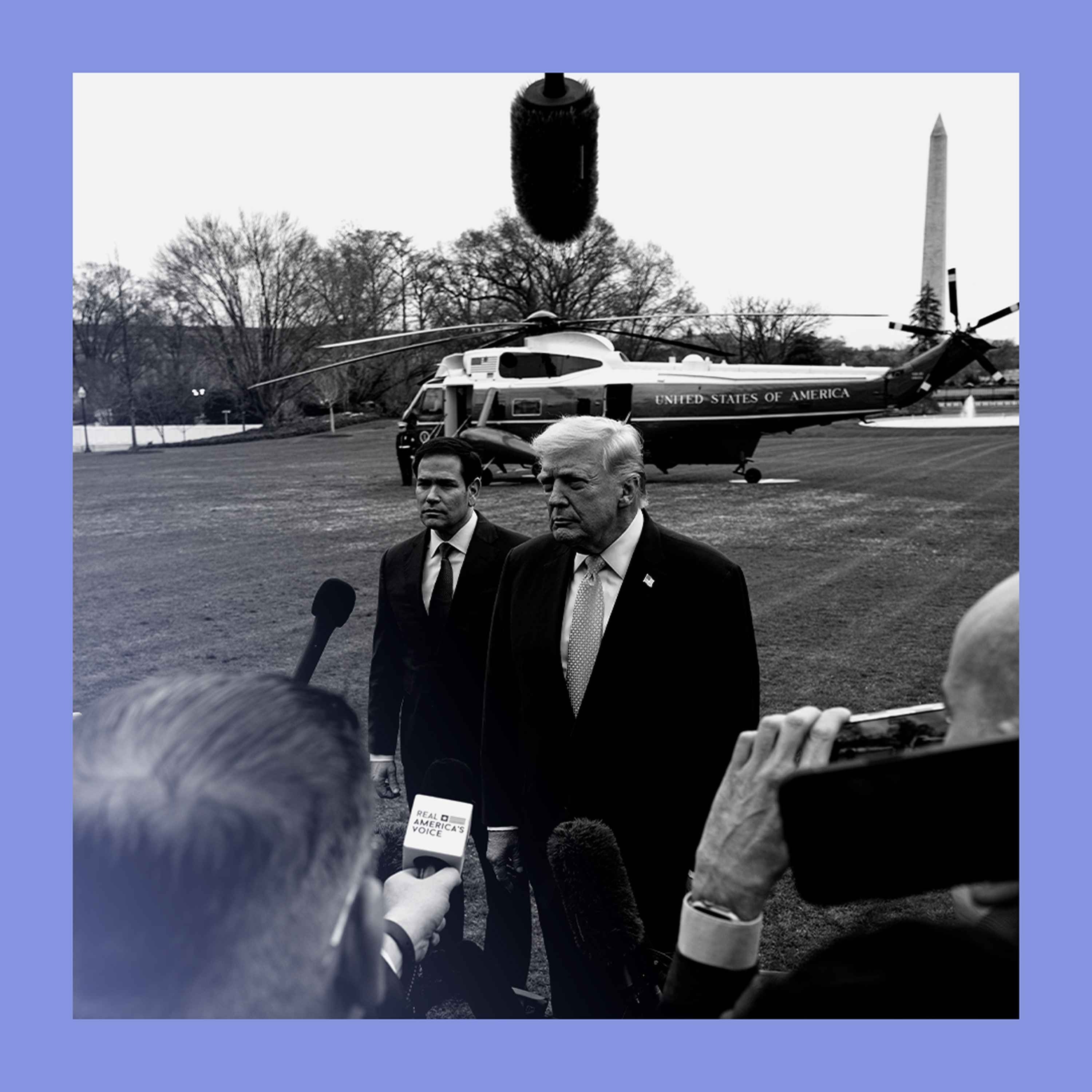
Donald Trump's aggressive rhetoric was not just bluster but a calculated strategy to justify a three-week bombing campaign. This aerial assault was designed to soften Iranian defenses before deploying US ground troops, framing the speech as a declaration of intent rather than a negotiation tactic.

The administration is scaling back its stated goals for the Iran conflict in real-time. Initial, broader objectives like regime change are being replaced by narrower ones like destroying the navy, as articulated by Senator Marco Rubio. This public shift suggests the original mission was unachievable or poorly planned.

A major part of Trump's political brand was his opposition to costly, "endless wars" and nation-building. The large-scale military operation in Iran represents a complete departure from this philosophy, raising questions about what prompted such a fundamental and unexplained shift in his foreign policy.

The administration aggressively talks about regime change, making promises to the Iranian opposition. However, the military actions and follow-up policies are not scaled to achieve this ambitious goal, creating a strategic disconnect that undermines the operation's credibility and clarity of purpose.
The administration sent deeply contradictory messages about Iran's nuclear capabilities. One official claimed Iran was a week from a bomb's worth of uranium, while Trump himself said the program was "blown to smithereens." This strategic ambiguity or internal division makes it impossible to discern a coherent policy or the true urgency of the threat.

President Trump and his administration are sending contradictory signals on the Iran conflict, simultaneously claiming it is 'very complete' while also preparing for further action. This inconsistency confuses markets and allies, pointing to a severe lack of a coherent and unified strategy within the administration.
The public threats of a military strike against Iran may be a high-stakes negotiating tactic, consistent with Trump's style of creating chaos before seeking a deal. The goal is likely not war, which would be politically damaging, but to force Iran into economic concessions or a new agreement on US terms.

The US and Israel are operationally successful in degrading Iran's military capabilities. However, leadership has failed to articulate a coherent strategic objective for the war, making it difficult to define victory or know when the conflict will end.
The US approach to Iran is not traditional regime change with ground troops. Instead, it involves targeted strikes to eliminate key leaders ("decapitation"), creating a power vacuum with the hope that the already revolutionary-minded Iranian public will topple the government from within.