Get your free personalized podcast brief
We scan new podcasts and send you the top 5 insights daily.
The acquisition agreement explicitly states TBPN will maintain full control over programming, guests, and editorial decisions, acknowledging that this independence is the source of its credibility and value.

Related Insights
Despite OpenAI acquiring his startup for $6.5B, Jony Ive is not an employee. His independent design studio, LoveFrom, has final say and veto power over the hardware's design. Ive is described as an "omnipresent figure" whose preferences guide the team, even in his physical absence.

The Disney partnership's primary value for OpenAI isn't the $1 billion investment, but the exclusive license to iconic IP. This provides a significant, albeit temporary, product and distribution advantage, creating unique generative experiences that differentiate ChatGPT from competitors and drive user engagement.
The deal was facilitated by a long-standing relationship between a TBPN host and OpenAI CEO Sam Altman, which began when Altman invested in the host's first company and provided critical help during a difficult financing.
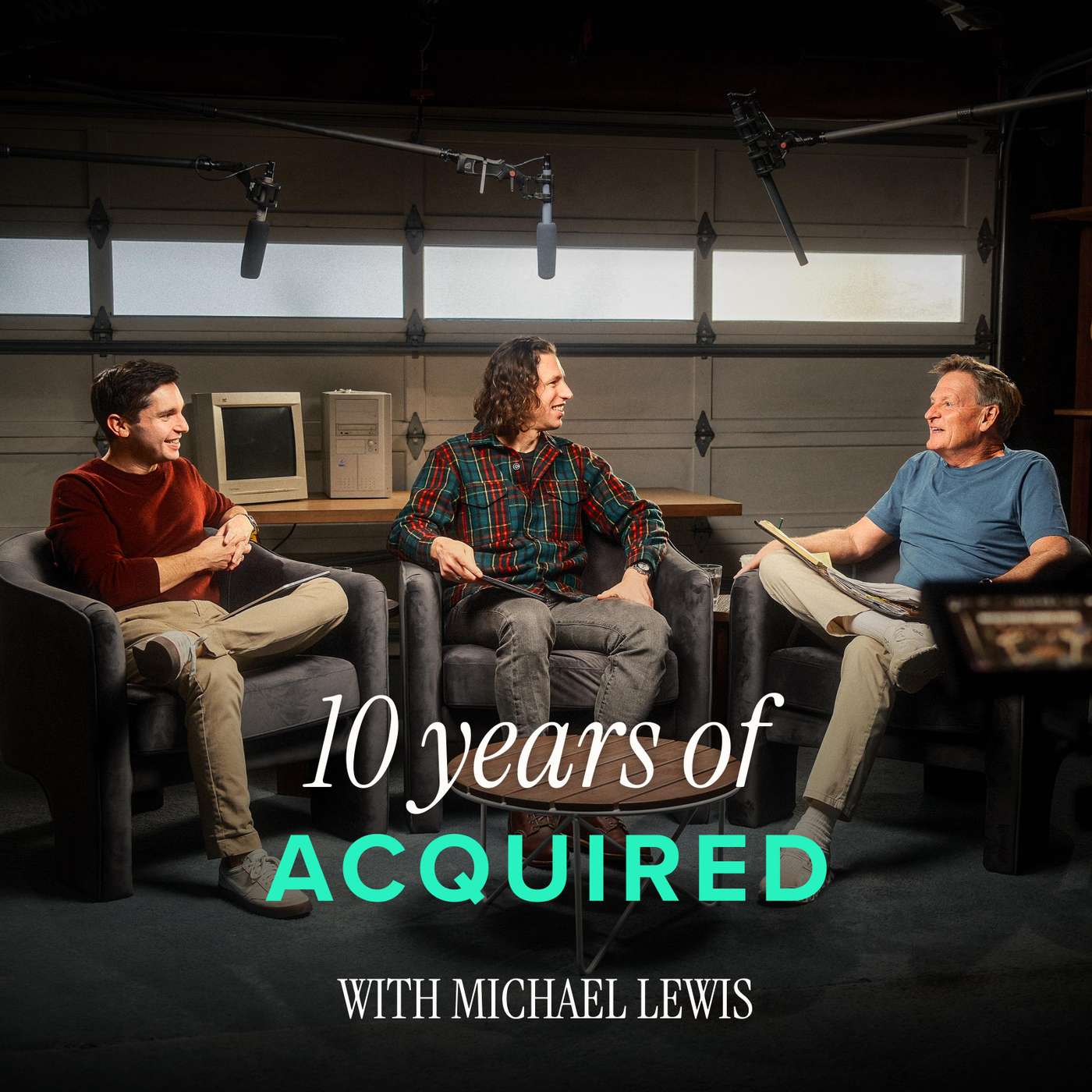
The podcast Acquired strategically avoids sponsors from contentious spaces, like competing venture capital firms, because they don't "feel Switzerland enough." This principle of partnering with neutral, respected leaders ensures their sponsor choices don't alienate listeners or compromise their editorial independence.
In an era of AI-generated 'slop' and widespread misinformation, trusted media brands can no longer compete on content alone. Host Nilay Patel argues that the key value proposition is the brand's transparent, ethical process—the policies, fact-checking, and standards—which guarantees reliability to the audience.

In an era of rampant AI-generated misinformation, consumers will increasingly seek out and pay for trusted, human-vetted sources. Established media brands with a reputation for accuracy and editorial oversight gain a significant competitive advantage as arbiters of truth.

The optimistic take is that OpenAI paid a premium to bring founder Peter in-house for his talent and to gain strategic insights from the open-source project's development. Placing OpenClaw in a foundation led by the ethical Dave Morin is a move to reassure the community.
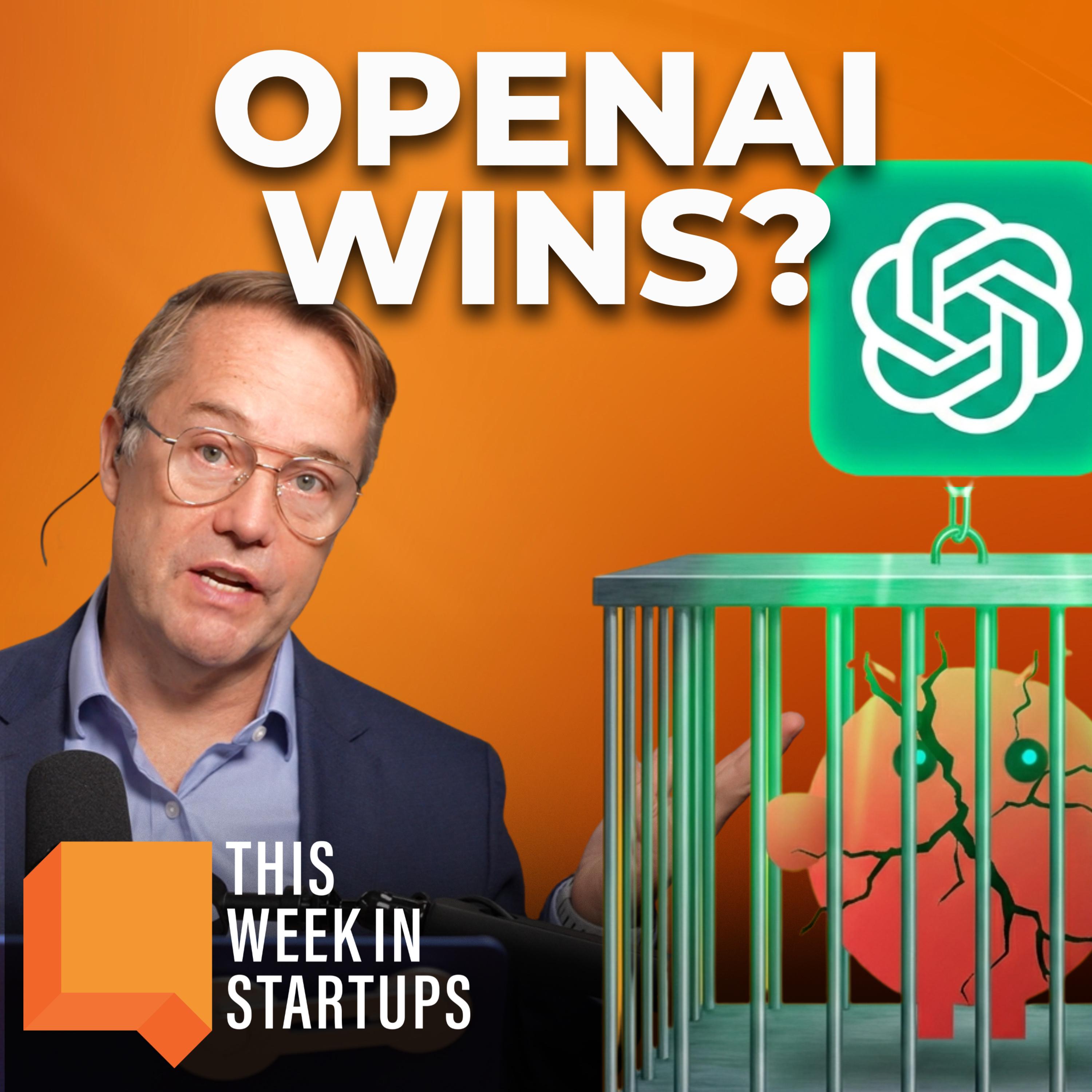
Instead of building a traditional communications team, OpenAI bought an existing media entity to foster constructive conversation about AI's impact, leveraging its established audience and editorial voice. This is a novel strategy for a major tech company.
CBS News acquiring Bari Weiss signals a strategic shift: legacy media outlets are buying influential independent creators to regain credibility. As audiences increasingly trust individual voices over institutions, these giants are co-opting top creators to bring that trust—and their audiences—back under a corporate umbrella, reversing the traditional talent pipeline.
A creator can secure editorial freedom from a corporate owner with a contractual 'off-ramp' clause. This stipulates that the owner's only recourse against content they dislike is to release the intellectual property back to the creator, not to censor it. This structurally protects free expression.