Get your free personalized podcast brief
We scan new podcasts and send you the top 5 insights daily.
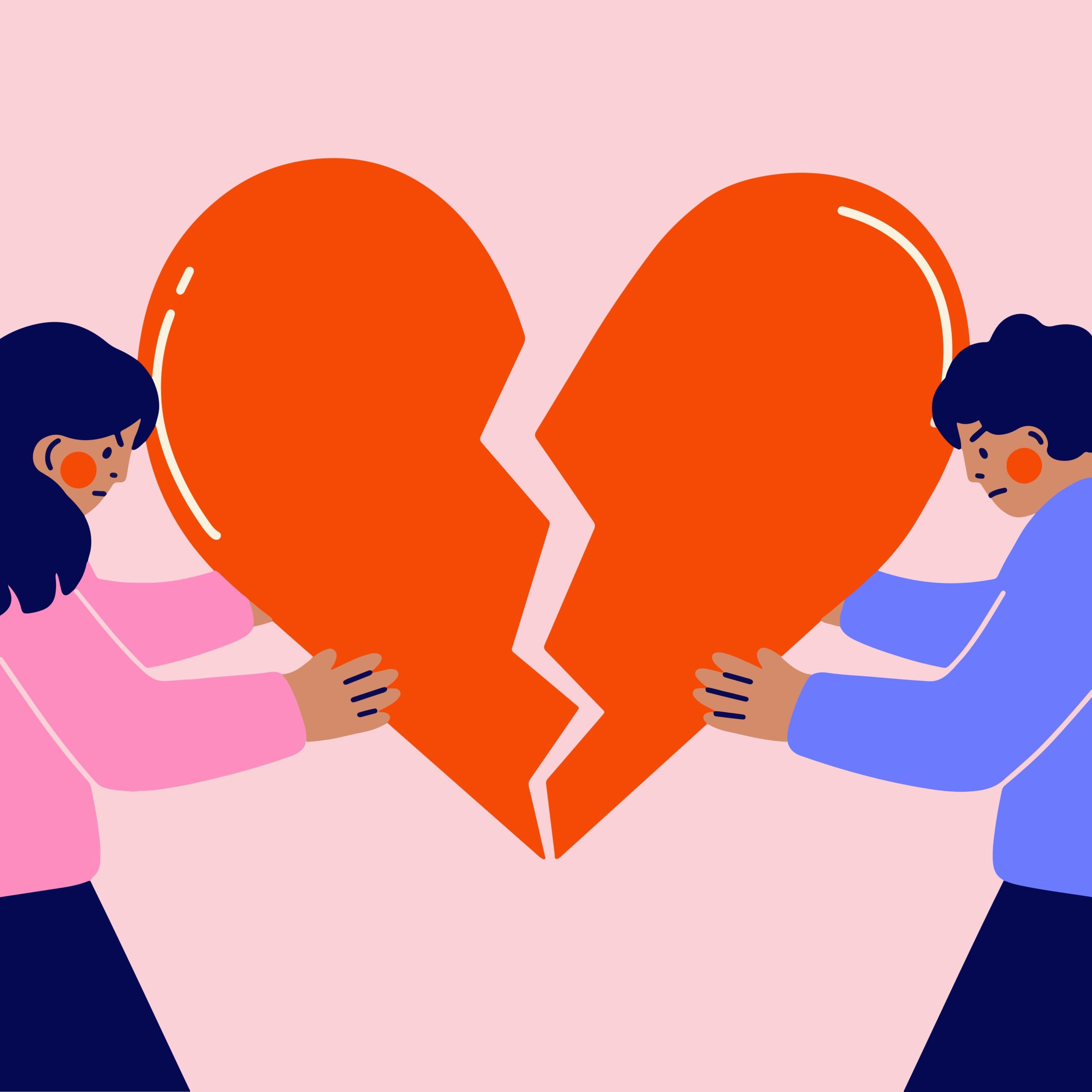
Most communication techniques are useless mid-conflict because the brain perceives emotional threats like criticism as physical danger. This triggers a survival response that shuts down the brain's logical and empathetic functions. The first step in any conflict is to establish emotional safety, as a dysregulated brain cannot listen or compromise.

Related Insights
Trying to suppress emotions in a difficult conversation causes them to burst out uncontrollably. Paradoxically, simply stating your feeling—"I feel frustrated"—can diffuse its power, creating a release valve and allowing for a more rational discussion.

To defuse conflict, frame your perspective as a personal narrative rather than objective fact. This linguistic tool signals vulnerability and invites dialogue by acknowledging your story could be wrong, preventing the other person's brain from defaulting to a defensive, "fight or flight" response.

When facing a viewpoint you find incorrect, the instinct is to correct the facts. A better approach is to first validate the person's emotion ("It makes sense you feel X about Y"). This makes them feel heard and safe, preventing defensiveness before you present your own perspective.

Contrary to common belief, the quiet person in an argument isn't the calm or mature one. Their silence is a "freeze" threat response, just as yelling is a "fight" response. Their nervous system is equally flooded, but it has assessed the situation as too dangerous to speak, leading to withdrawal as a protective measure.
The difficulty in a conversation stems less from the topic and more from your internal thoughts and feelings. Mastering conflict requires regulating your own nervous system, reframing your perspective, and clarifying your motives before trying to influence the other person.
When triggered in a conversation, the body undergoes the same physiological changes (pupil dilation, clenched fists) as if facing physical harm. This explains why social conflicts feel so intense and why people react disproportionately.

When you feel yourself getting defensive, state it out loud. Saying "I can tell I'm getting defensive" or "Something else is coming up for me" makes you self-aware and invites your partner to help you regulate, strengthening the connection.
The brain processes stories and direct facts differently. Stories activate regions associated with empathy and understanding other people's minds, allowing listeners to absorb a critical message or lesson without feeling personally attacked and becoming defensive.
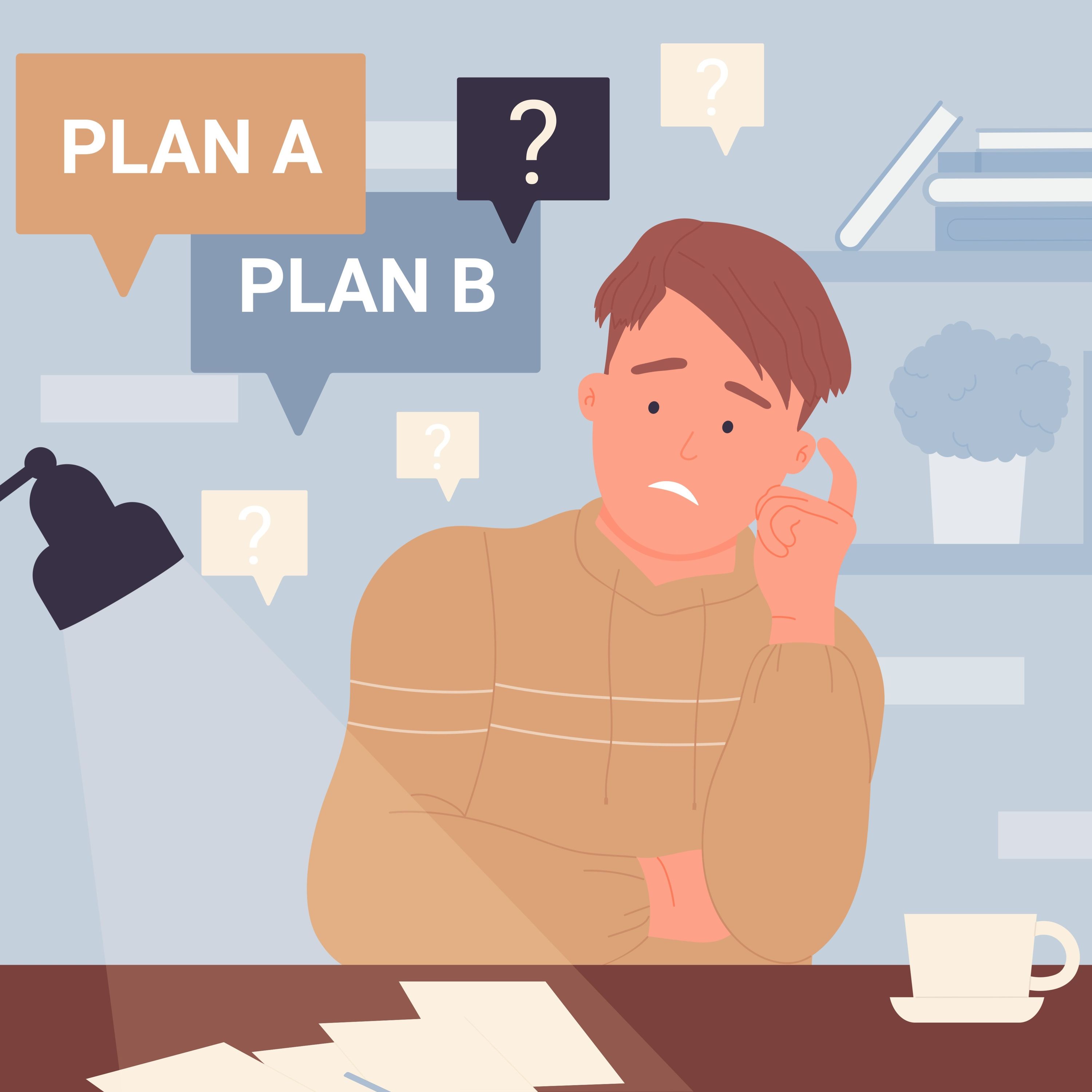
To slow down a heated or fast-paced conversation, avoid telling the other person to calm down. Instead, validate their emotional state by acknowledging it directly, e.g., 'I hear you have a lot of passion here.' This meta-commentary creates space and can de-escalate the intensity without being confrontational.
Couples in conflict often appear to be poor communicators. However, studies show these same individuals communicate effectively with strangers. The issue isn't a skill deficit, but a toxic emotional environment within the relationship that inhibits their willingness to collaborate.