Get your free personalized podcast brief
We scan new podcasts and send you the top 5 insights daily.
In founder-led companies, the founder's energy, creativity, and conviction are critical assets that drive culture, sales, and investment. Neglecting personal health directly degrades these assets, posing a significant risk to the business's longevity and success.

Related Insights
Leaders often sacrifice their health to set their team up for success. However, this leaves them physically and mentally depleted right when the team needs an active, focused leader. Taking care of yourself is not selfish; it's a prerequisite for sustained, effective leadership.
The primary threat to a bootstrapped company is not external competition but internal struggle. Burnout, self-doubt, and loss of motivation kill more startups than any market force. Protecting your mental health is a critical business function, not a luxury.

Lindsay Carter explicitly connects her personal state—unhealthy and sleep-deprived postpartum after skipping maternity leave—to poor leadership and decision-making. This directly resulted in the company's first-ever down year, demonstrating that founder well-being is a critical business metric, not just a personal issue.

For passionate founders, work-life balance isn't about stepping away from the mission; it's about sustaining the ability to achieve it. If you burn out, the mission fails. Taking care of yourself is a strategic imperative that enables you to better serve your team and community.

If your business stops the moment you do, burnout is an inevitable outcome of a flawed model. Use this exhaustion as a signal to build systems, delegate, or create passive income streams. This shifts the focus from personal endurance to creating a sustainable enterprise that can function without your constant presence.

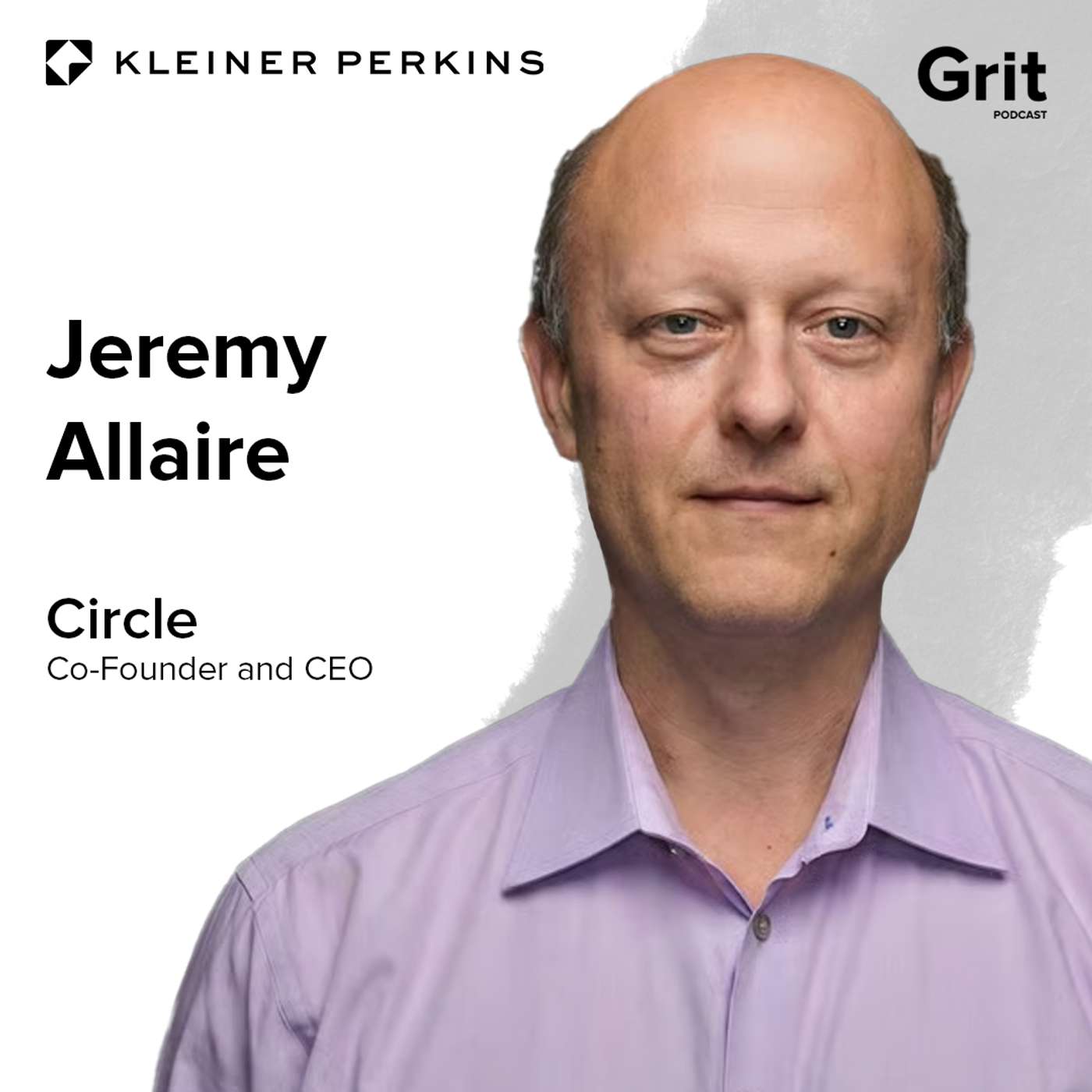
The immense pressure of building Circle took a physical toll on Jeremy Allaire. He responded by systematically improving his health—fitness, sleep, diet, mindfulness, and sobriety. He views peak personal wellness not as a luxury but as a necessary tool to absorb complexity and lead effectively.
Lyft's John Zimmer reflects that during intense growth periods, taking time for sleep and exercise felt selfish. He later learned that failing to prioritize his well-being actively hindered his ability to effectively lead and serve his team, customers, and investors.
Bessemer's STRIVE program reframes CEO wellness as crucial for business success, not a luxury. It applies athletic principles—focusing on sleep, training, and mental health—to combat unsustainable 'hustle' culture. A sleep-deprived CEO performs as poorly as one who is drunk.

Entrepreneurs cannot out-grind their own physiology. Poor health leads to chasing blood sugar spikes, fatigue, and brain fog, which directly limits business capacity and decision-making quality. Prioritizing health is not a luxury; it is the fundamental architecture of sustainable success.

OutboundSync founder Harris Kenny correlates his company's push past $500k ARR with his new, disciplined health regimen. By waking up at 4:30 AM and exercising daily, he found the energy and clarity for rapid growth, demonstrating how personal habits can be a key lever for professional success.