Get your free personalized podcast brief
We scan new podcasts and send you the top 5 insights daily.
The business model or niche you choose (the "boat") is more critical to your success than how hard you work (how hard you "row"). Strategically selecting a profitable niche with high-value affiliate opportunities from the start will yield far greater results than pouring massive effort into a poorly positioned channel.

Related Insights
For hardworking and talented individuals, the single most important variable for success is the project they choose. Working on a weak market opportunity or a poor founder-fit project can waste years of effort, regardless of skill.

Counter to the 'hustle culture' narrative, business failure often isn't due to insufficient hard work. It stems from entrepreneurs expending immense energy on ineffective activities. Success requires focusing on a handful of the right strategic actions rather than trying to do everything at once.

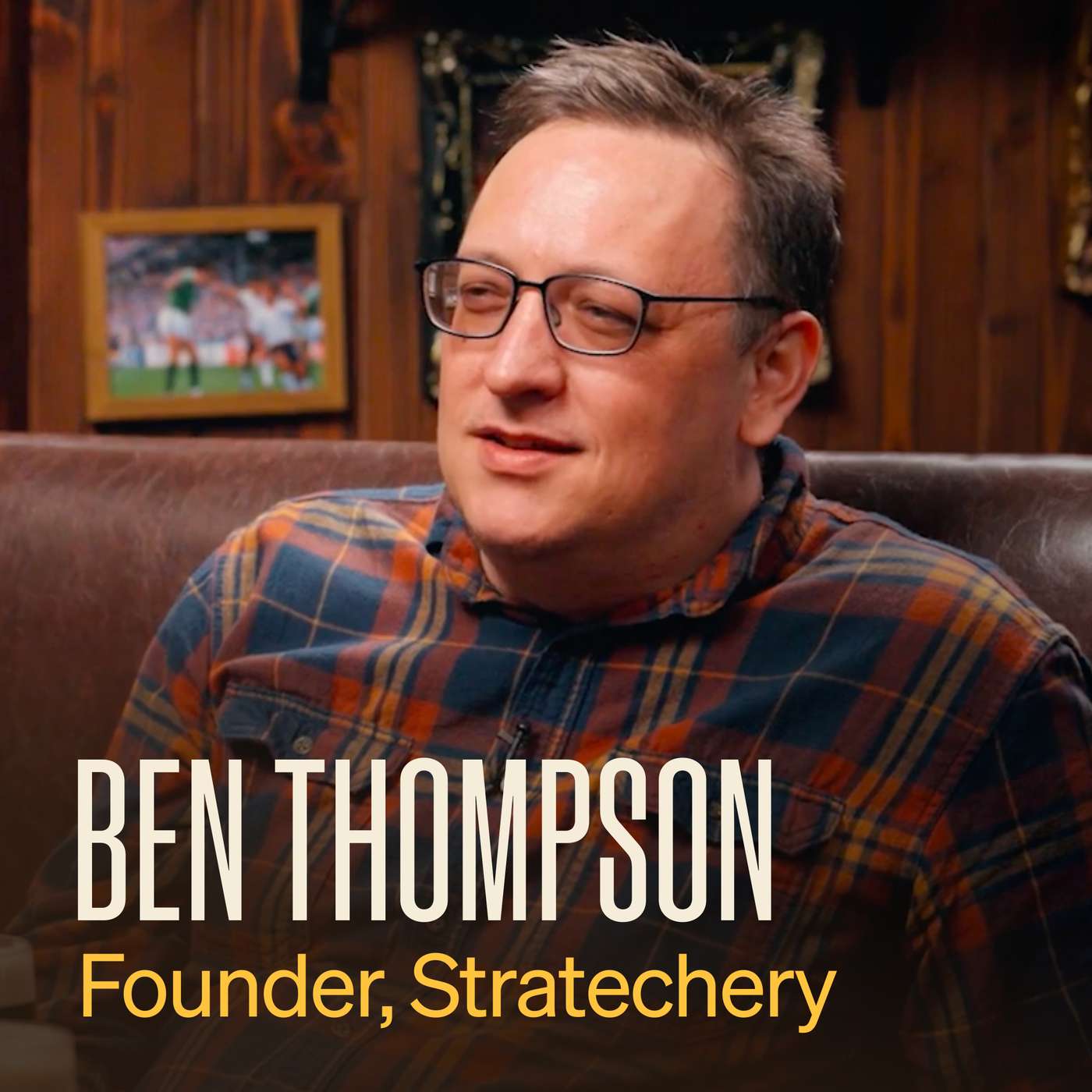
Ben Thompson's advice for aspiring content creators is to avoid direct competition with established figures. The internet allows for countless niche communities ("ponds"). The winning strategy is to define and dominate your own niche, becoming the biggest fish in your self-created pond.
Following your passion often leads to building a product nobody wants, making it an expensive hobby. Instead, fall in love with a problem that the market is willing to pay to solve. True business success is found at the intersection of your passion, your skills, and what the world actually needs.

Relying on one signature offer or income stream is a high-risk strategy. A more sustainable approach is building a portfolio business with multiple, smaller streams—like a course, a membership, and affiliate income. This ecosystem creates stability, allowing the business to weather storms and reducing pressure on any single component.

Seeing an existing successful business is validation, not a deterrent. By copying their current model, you start where they are today, bypassing their years of risky experimentation and learning. The market is large enough for multiple winners.

The trend of running a holding company (a portfolio of businesses) is often a path to distraction and shallow expertise. The wealthiest entrepreneurs typically achieve success by focusing intensely on a single venture for an extended period, mastering its operations before considering diversification.
Many founders fail not from a lack of market opportunity, but from trying to serve too many customer types with too many offerings. This creates overwhelming complexity in marketing, sales, and product. Picking a narrow niche simplifies operations and creates a clearer path to traction and profitability.
The best strategy is to capture a large share of a small, specific market and then expand into adjacent ones. Jeff Bezos deliberately started with books for a niche customer base, proving the model before scaling to become 'the everything store.'

Stop searching for the perfect niche as if it's a hidden treasure. Instead, actively pick one based on who you want to serve and what problems you want to solve. For those with an existing in-person business, this choice is even simpler: your online niche is your current clientele. This decision is not permanent and can be changed later.
