Get your free personalized podcast brief
We scan new podcasts and send you the top 5 insights daily.
Dario Amadei's frustration with being misquoted may stem from his reliance on long essays that few read in full. The episode suggests a medium like X, with posts of a few hundred words, is actually harder to take out of context because the full thought is easily and quickly consumable by a broad audience, offering more control over the narrative.

Related Insights
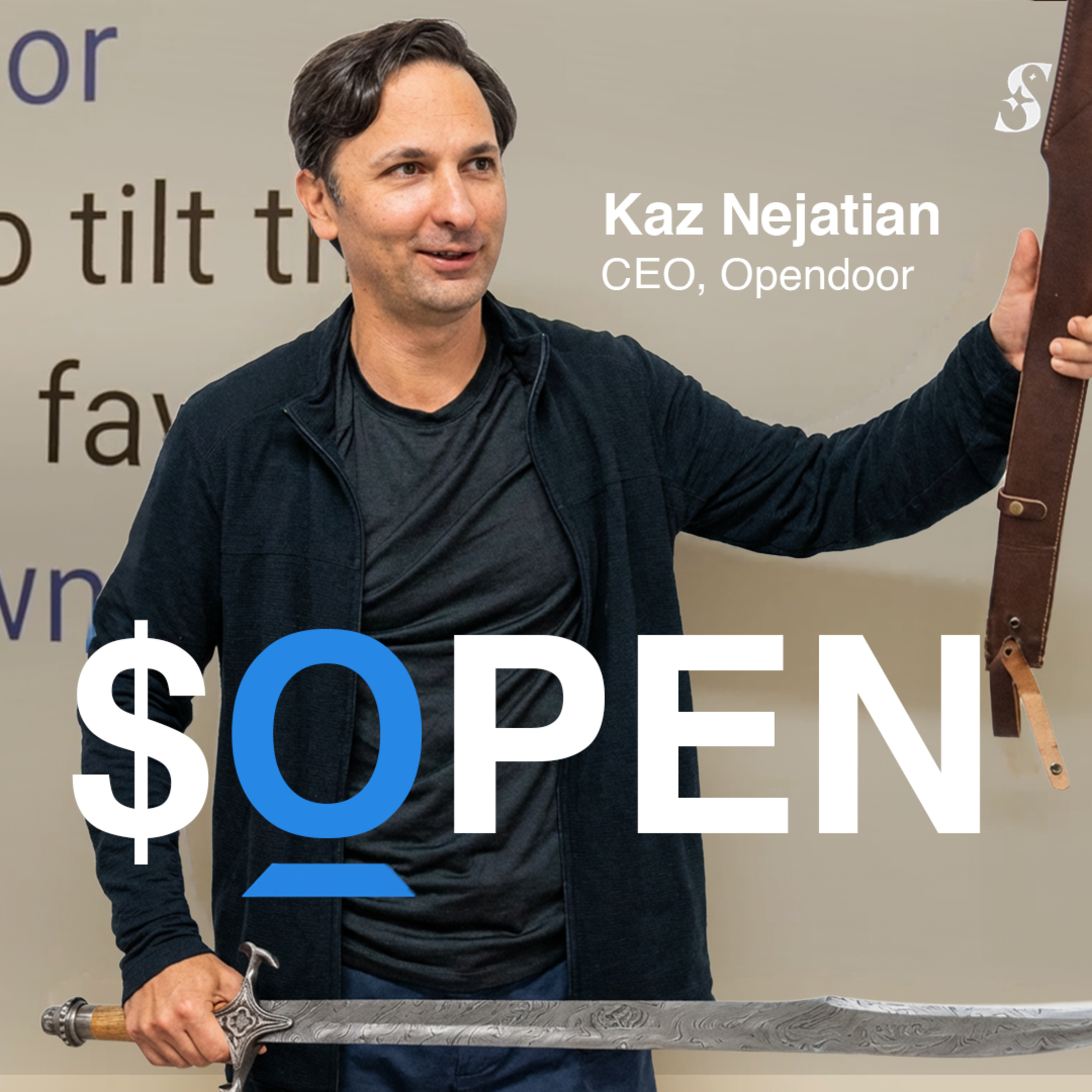
Opendoor has no PR department; the official press email auto-replies with instructions to DM the CEO on X. This radical approach forces direct, unfiltered communication and ensures the CEO's authentic voice defines the company narrative, bypassing traditional media gatekeepers.
Sam Altman's detailed, serious response to Anthropic's humorous ad was a tactical error. The "authoritarian" accusation made OpenAI seem defensive and humorless, giving Anthropic's critique more credibility and airtime. A simple, witty retort or ignoring it would have been more effective.

Oracle's formal, press-release-style tweets about its OpenAI relationship created anxiety. In contrast, an OpenAI employee’s casual, humorous posts on the same topic instilled confidence, highlighting the need to match communication style to the platform's conversational nature.

It is far easier to extract deep knowledge from experts, like a CEO, through a conversational podcast than by asking them to produce a polished written essay. Podcasting lowers the activation energy for sharing complex ideas.
Despite controversies, X (formerly Twitter) is the central, non-negotiable platform for conversation, debate, and news within the AI community. Key figures are re-engaging and major announcements are made there, making it essential for industry participants.

While the internet shifts to video, X's core strength remains its text-based format. This attracts a high-value audience of intellectuals and creators, making it the leading platform for this demographic, according to Elon Musk.

Dario Amadei defends his messaging as balanced by citing his long-form essays on AI's benefits. This reveals a critical disconnect with modern media, where short, negative, and easily clippable warnings about risk inevitably drown out nuanced, long-form optimism, shaping a public narrative he doesn't fully grasp.
Unlike media-paranoid tech leaders of the past, Ben Smith observes that the new generation of AI CEOs (e.g., Sam Altman, Jensen Huang) are "showmen" akin to Steve Jobs. They actively engage with and leverage media as a powerful sales and narrative-shaping channel, not as an adversary.

Public figures are most vulnerable when they make short, context-free statements (e.g., on Twitter). The best defense is to articulate complex or controversial ideas in long-form formats like podcasts or essays. This surrounds the idea with its full context, making it much harder for critics to misinterpret or weaponize.

Oracle's formal, defensive posts about its finances on X were mocked, while a simple, humorous tweet from an OpenAI employee instilled more confidence. This highlights the need for an authentic, human voice on social media, especially during sensitive situations, as corporate-speak can easily backfire.
