Get your free personalized podcast brief
We scan new podcasts and send you the top 5 insights daily.
Elon Musk operates with fragmented attention across multiple crises, but SpaceX succeeds because of early structural groundwork. Between 2003 and 2012, Musk built and delegated authority to a compact, highly skilled team operating with clear business goals and independent leadership.

Related Insights
Elon Musk's management playbook is built on a few core principles: only engineers truly matter, the CEO must violate the chain of command to talk directly to line engineers, and the CEO's job is to parachute in weekly to fix the single biggest bottleneck by working alongside them.
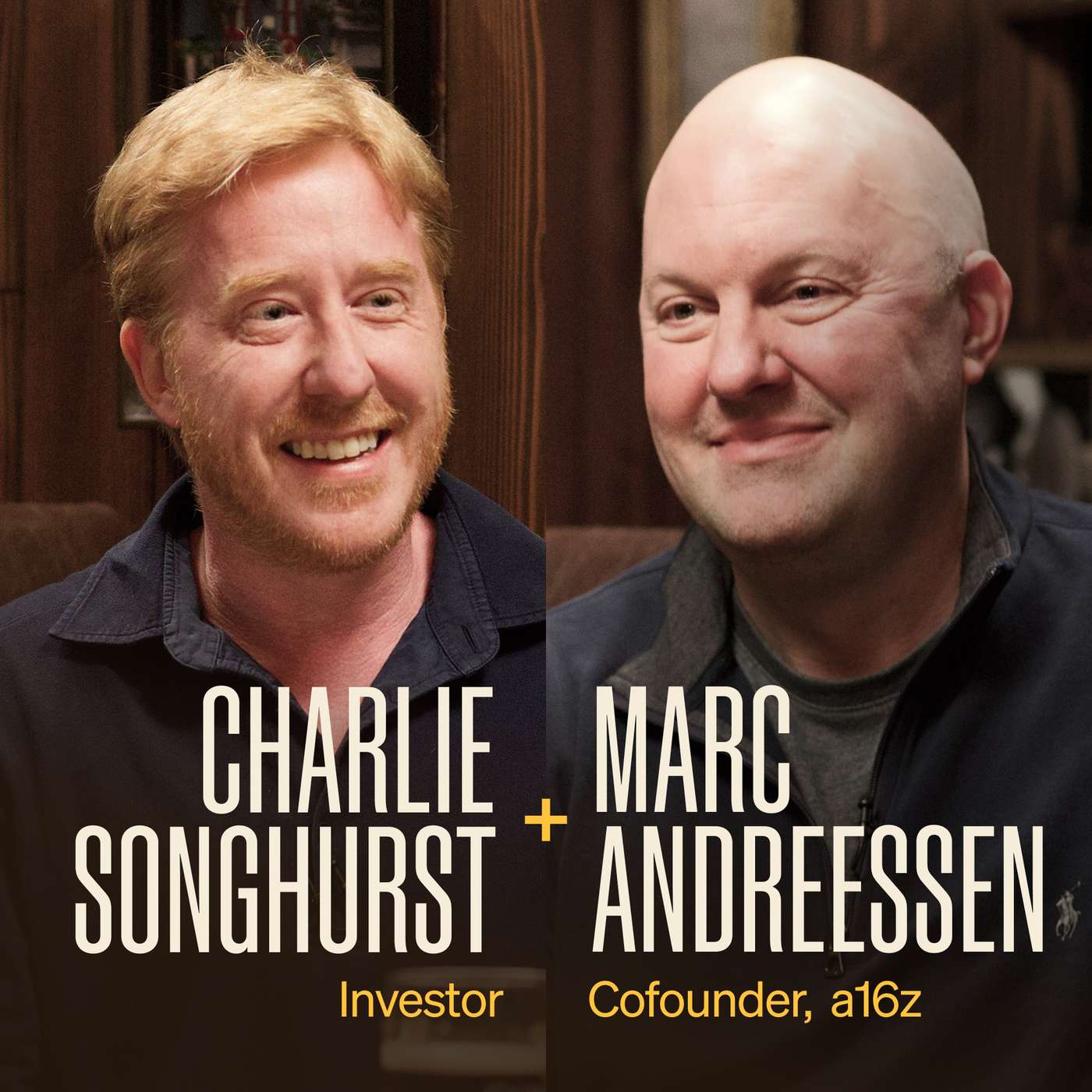
To combat the natural tendency for decisions to flow up in a founder-led company, the CEO and COO must explicitly document which high-stakes decisions they alone will make (e.g., major brand campaigns, M&A). This clarifies what can and should be pushed down to the rest of the organization.

True hyper-growth requires two leadership archetypes. The visionary (like Elon Musk) drives aggressive innovation, while the operator (like Gwynne Shotwell) stabilizes the organization, picks up the pieces, and prevents burnout. One without the other leads to chaos or stagnation.
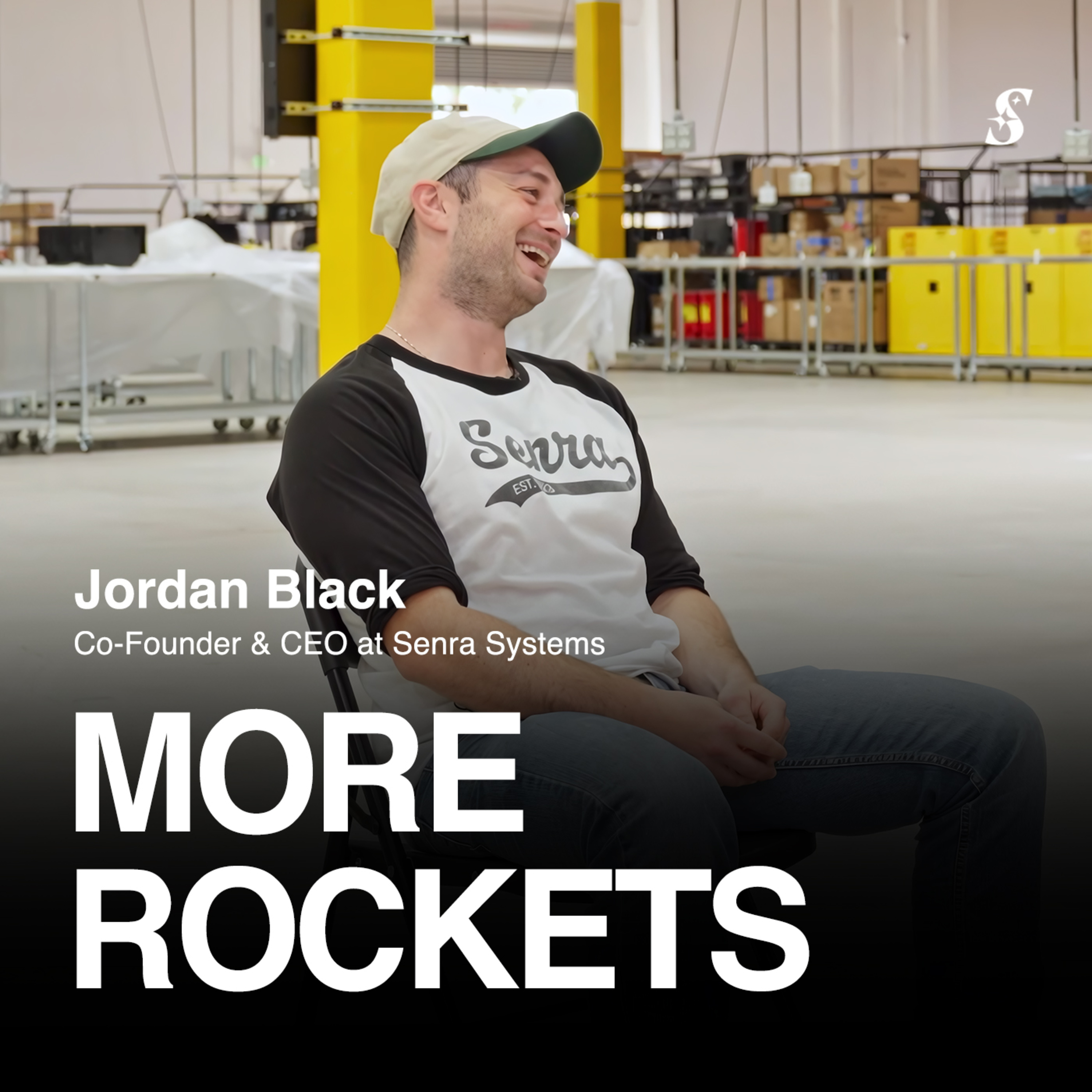
SpaceX accelerated its technological lead because Musk delegated day-to-day operations to COO Gwynne Shotwell. Blue Origin lagged for years because Bezos never empowered a trusted number two to interpret his vision, making the founder an operational bottleneck.
Effective leadership in a fast-moving space requires abandoning the traditional org chart. The CEO must engage directly with those closest to the work—engineers writing code and salespeople talking to customers—to access unfiltered "ground truth" and make better decisions, a lesson learned from Elon Musk's hands-on approach.
The transition from a scientist, trained to control every project variable, to a CEO requires a fundamental mindset shift. The biggest challenge is learning to delegate effectively and trust a team of experts who are smarter than you, moving away from the natural tendency to micromanage.
After 30 years, founder Rick Smith polarizes his time between two activities: being in the field with customers to shape vision, and deep invention as a technologist. He delegates day-to-day company operations to a President, allowing him to remain a force for innovation without becoming a management bottleneck.

SpaceX's success relies on the partnership between Elon Musk's vision and Gwen Shotwell's execution. Nowack intentionally recreated this dynamic by hiring a Chief Strategy Officer to translate engineering vision into commercial reality.

A former engineer reveals SpaceX's cultural core is a blend of high agency and high accountability. This model entrusts immense responsibility to young teams, fostering a strong execution culture. The example of a launch control room run almost entirely by people under 30 demonstrates how this approach enables rapid progress on complex missions.

Musk's approach is radical de-layering. He avoids the 'compounding lies' of middle management by going to the source of truth: the engineers. He identifies the week's biggest bottleneck and works directly with the relevant engineer to solve it, creating unparalleled problem-solving velocity.
