Get your free personalized podcast brief
We scan new podcasts and send you the top 5 insights daily.
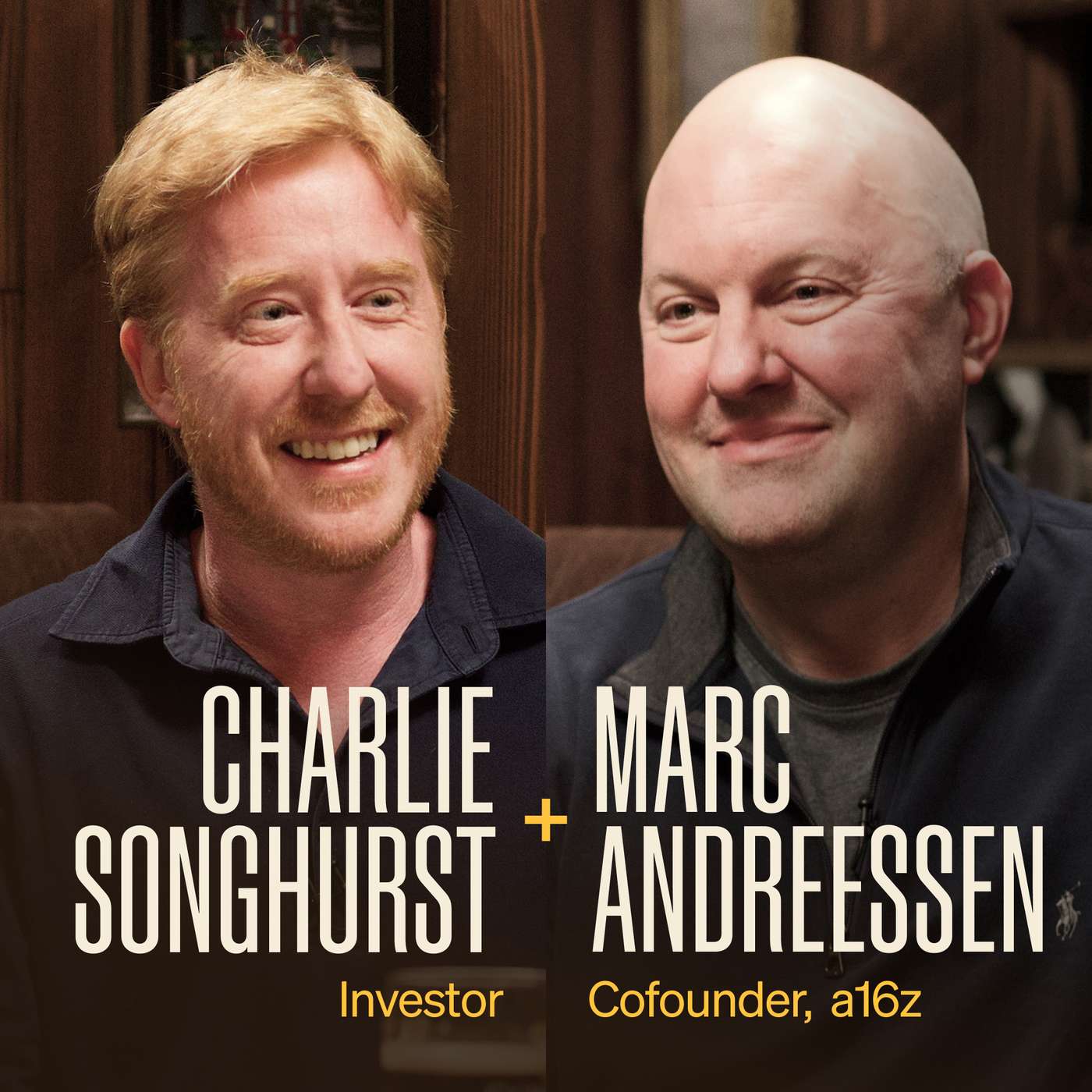
Elon Musk's management playbook is built on a few core principles: only engineers truly matter, the CEO must violate the chain of command to talk directly to line engineers, and the CEO's job is to parachute in weekly to fix the single biggest bottleneck by working alongside them.
Related Insights
Even at significant scale, Alex Bouaziz maintains a deeply hands-on approach, believing it's a critical cultural pillar. Being involved in day-to-day problems and customer issues prevents him from being too far removed from the business. This proximity allows him to identify flaws in org design, response times, and processes that are invisible from a '10,000-foot view'.
Amplitude's CEO describes the painful transition from founder (running to the hardest problem) to large-company executive. The latter role requires embracing hierarchy, saying "no" to most things, and managing through leverage rather than direct contribution—a skill set many founders resist and fail to learn.
Despite the immense success of Elon Musk and Jensen Huang, their unique management styles—like Huang's 60 direct reports or Musk's "algorithm"—are not being replicated by the new generation of top CEOs. These founders are not seeking a specific hero to emulate; they are instead creating their own distinct leadership models from scratch.

While one might hope to build a successful hardware company without being 'uncompromisingly demanding,' experience suggests otherwise. People are capable of far more than they believe, but almost always require extrinsic motivation. This tough leadership style appears necessary for succeeding in competitive hardware manufacturing.
Effective leadership in a fast-moving space requires abandoning the traditional org chart. The CEO must engage directly with those closest to the work—engineers writing code and salespeople talking to customers—to access unfiltered "ground truth" and make better decisions, a lesson learned from Elon Musk's hands-on approach.
Huang eschews traditional hierarchy, engaging directly with employees at all levels and delivering feedback publicly. This "parallel processing" management style ensures rapid, simultaneous learning across the organization, mirroring the architecture of the GPUs his company builds and creating a uniquely flat structure for a company of its size.

Contrary to the popular advice to 'hire great people and get out of their way,' a CEO's job is to identify the three most critical company initiatives. They must then dive deep into the weeds to guarantee their success, as only the CEO has the unique context and authority to unblock them.

At Crisp.ai, the core value is that the best argument always wins, regardless of who it comes from—a new junior employee or the company founder. This approach flattens hierarchy and ensures that the best ideas, which often originate from those closest to the product and customers (engineers, PMs), are prioritized.
Musk's success stems from his unique ability to attract hyper-intelligent, maniacally driven individuals. These people are drawn to his high-stakes, high-pressure environment, choosing to "burn out under Musk" rather than be bored elsewhere, creating an unparalleled human capital advantage.

Contrary to the model of steady weekly hours, Elon Musk’s effectiveness may come from a different pattern: identifying critical problems and applying short, intense bursts of obsessive micromanagement (e.g., 100-hour weeks sleeping on the factory floor) before pulling back.
