Get your free personalized podcast brief
We scan new podcasts and send you the top 5 insights daily.
SpaceX accelerated its technological lead because Musk delegated day-to-day operations to COO Gwynne Shotwell. Blue Origin lagged for years because Bezos never empowered a trusted number two to interpret his vision, making the founder an operational bottleneck.

Related Insights
The visionary and evangelistic skills that make a great founder are fundamentally different from the operational skills needed to run a large organization. Assuming a founder is the best person to manage a scaled company is a mistake.

While founder-led accountability is crucial, it's often misinterpreted. Leaders adopt a caricature of decisiveness, like mimicking Steve Jobs' harshness, which leads to micromanagement and alienates talented individual contributors who are key to scaling.

True hyper-growth requires two leadership archetypes. The visionary (like Elon Musk) drives aggressive innovation, while the operator (like Gwynne Shotwell) stabilizes the organization, picks up the pieces, and prevents burnout. One without the other leads to chaos or stagnation.
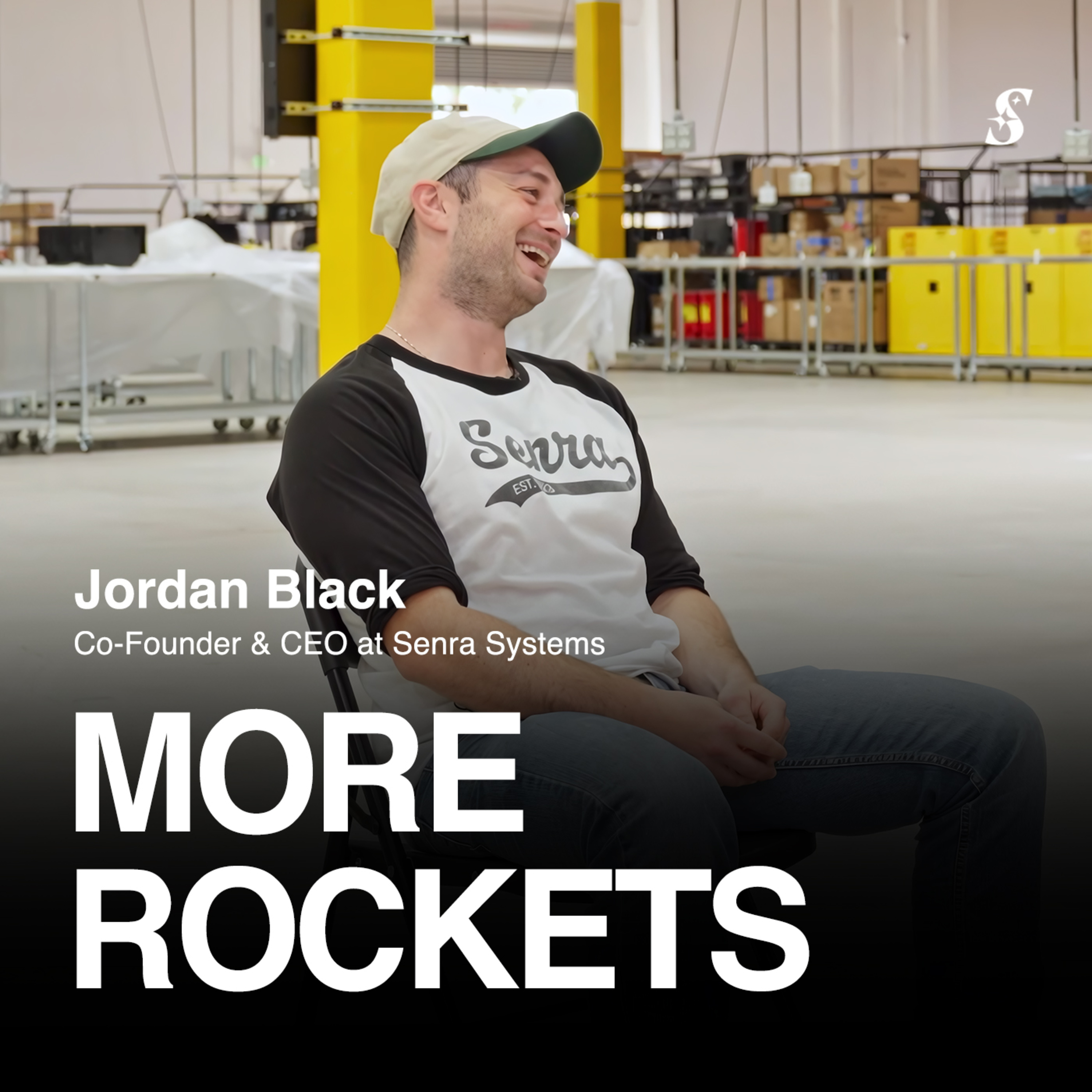
Founder-led businesses often plateau because the founder's personal patterns—micromanagement, fear of delegation, or decision-making habits—remain static. Even a perfect marketing strategy will fail if the leader's underlying behaviors aren't addressed first, creating a recurring bottleneck for growth.

The transition from a scientist, trained to control every project variable, to a CEO requires a fundamental mindset shift. The biggest challenge is learning to delegate effectively and trust a team of experts who are smarter than you, moving away from the natural tendency to micromanage.
After 30 years, founder Rick Smith polarizes his time between two activities: being in the field with customers to shape vision, and deep invention as a technologist. He delegates day-to-day company operations to a President, allowing him to remain a force for innovation without becoming a management bottleneck.

When an owner acts as the primary problem-solver, the business cannot scale beyond their personal capacity. This over-functioning creates an operational bottleneck that prevents growth, duplicates effort, and ultimately erodes profitability by making the business dependent on one person.

Successful operators promoted to CEO must resist the urge to directly manage tasks. Their new role is to create the conditions for their senior team to succeed. Direct intervention disempowers reports and creates bottlenecks that slow the entire organization down.

The very traits that help a founder succeed initially—doing everything themselves, obsessing over details—become bottlenecks to growth. To scale, founders must abandon the tools that got them started and adopt new ones like delegation and trust.

Founders often resist delegating tasks they enjoy, even when unprofitable. The core issue isn't a lack of trust in their team, but a fear of losing their own sense of purpose and identity within the business. This leads them to self-sabotage by getting involved where they are no longer needed, just to feel important again.
