Get your free personalized podcast brief
We scan new podcasts and send you the top 5 insights daily.
In crowded markets, a brand doesn't necessarily need a patented product. Instead, a powerful narrative that clearly defines a problem, why existing solutions fail, and how your product uniquely solves it can create sufficient defensibility and product-market fit.

Related Insights
Contrary to the current VC trope that 'product is not a moat,' a truly differentiated product experience can be a powerful defense, especially in crowded markets. When competitors are effectively clones of an existing tool (like VS Code), a unique, hard-to-replicate product like Warp creates significant stickiness and defensibility.

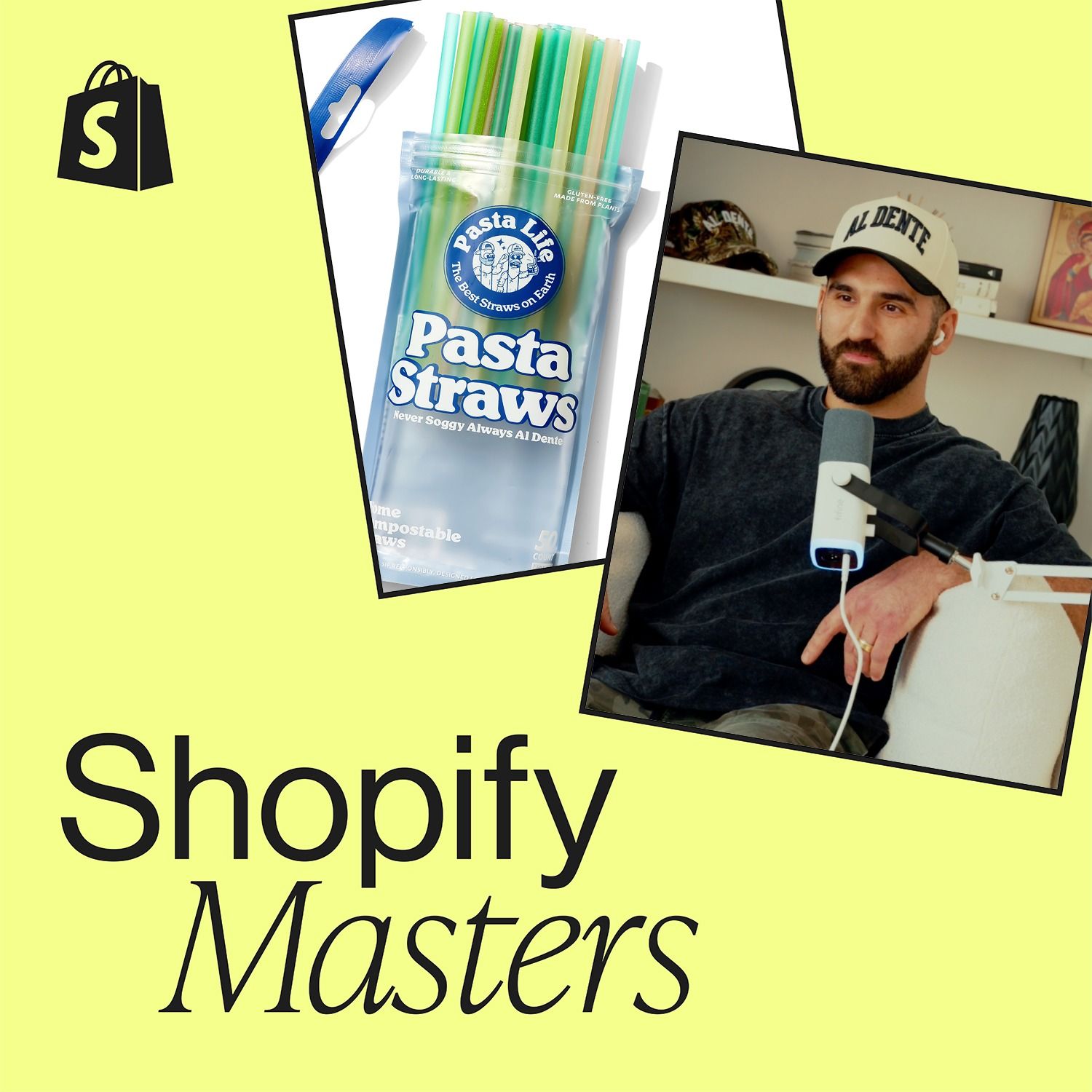
Rather than relying on patents, the founder built a defensible moat using brand strategy. This includes unique content, community engagement, and a trade-secret recipe, making it harder for competitors to replicate their success even if they copy the physical product.
When launching into a competitive space, first build the table-stakes features to achieve parity. Then, develop at least one "binary differentiator"—a unique, compelling capability that solves a major pain point your competitors don't, making the choice clear for customers.

When technology is no longer a differentiator, as seen in the crowdfunding space, a company's brand, positioning, and core values are the only way to stand out and attract customers. GiveForward succeeded by positioning itself around compassion and joy.
With AI development becoming accessible, having an "AI product" is not a sustainable advantage. True defensibility comes from solving a specific customer problem better than anyone else, using AI as a tool, not the core value proposition. The challenge is no longer building, but deciding what to build.

Aspiring founders often obsess over creating unique intellectual property (IP) as a moat. In reality, for most bootstrapped SaaS companies, competitive advantage comes from superior marketing, sales, and positioning—not patents or secret algorithms. Customers choose the best tool that solves their problem, not the one with the most patents.

In a crowded market, brand is defined by the product experience, not marketing campaigns. Every interaction must evoke the intended brand feeling (e.g., "lovable"). This transforms brand into a core product responsibility and creates a powerful, defensible moat that activates word-of-mouth and differentiates you from competitors.

As AI commoditizes business execution, true defensibility will come from creative ingenuity in areas like go-to-market strategy or novel business models. This form of creativity cannot be generated by AI, making it a rare and durable competitive advantage.
In a space like AI where everyone uses the same models and tech moats are rare, competing on technology is futile. The winning strategy is to ignore the competition, focus intensely on a narrow ideal customer, and build an amazing product vision tailored specifically to their needs.

Market inefficiencies and technological loopholes that create arbitrage opportunities are always fleeting. The only long-term, defensible moat is a brand that commands attention and trust. This shifts a business from hunting for opportunities to having opportunities come to it.
