Get your free personalized podcast brief
We scan new podcasts and send you the top 5 insights daily.
Instead of trying to out-entertain a competitor using a celebrity like Ryan Reynolds, Tatari features its actual B2B customers in TV ads. This strategy leverages authenticity and social proof, which resonates more strongly with a professional audience that values peer validation over entertainment.

Related Insights
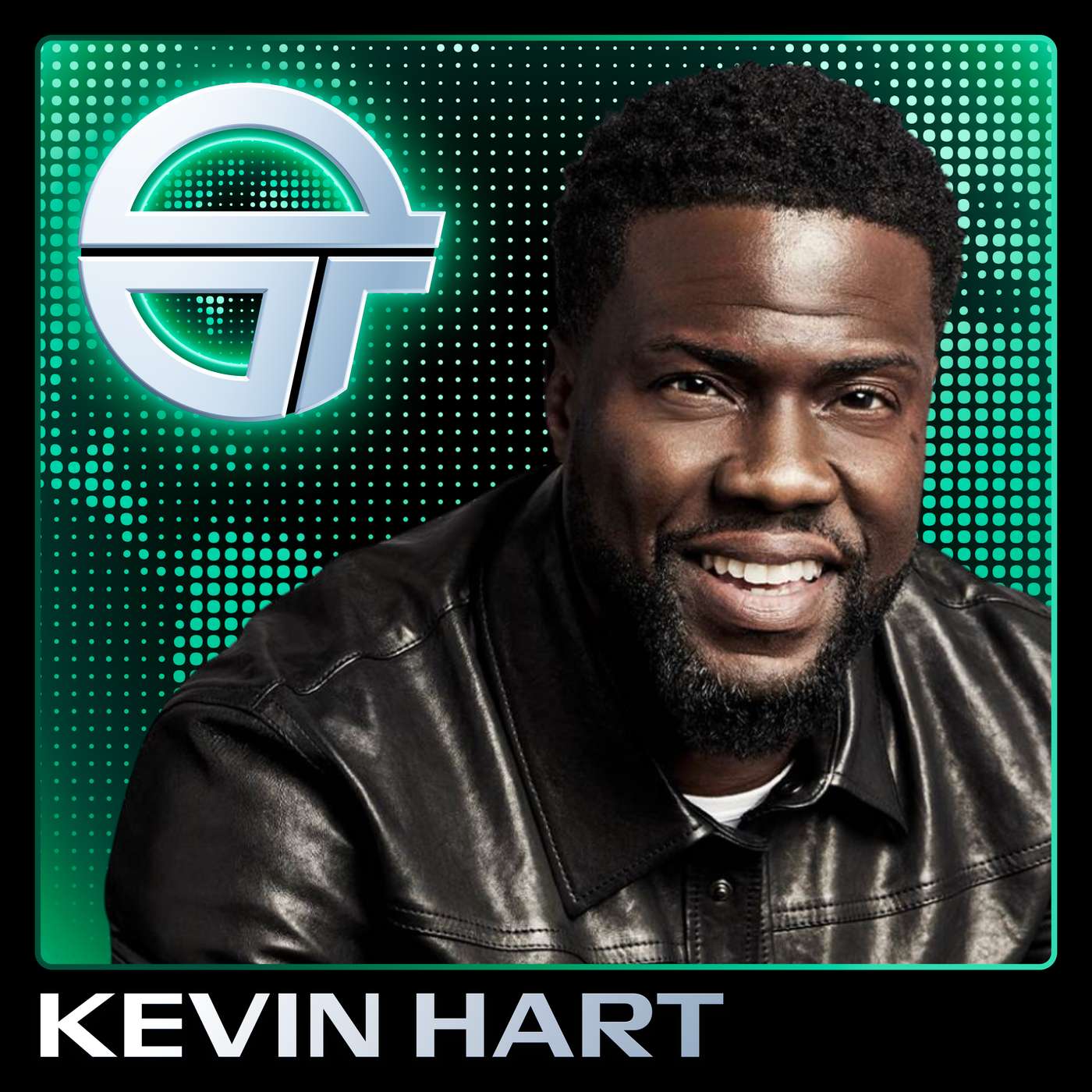
Consumers are savvy and can see through a simple name-slap endorsement. To break through, a brand needs a genuine story. Hart emphasizes the importance of answering core questions—"Why did you make it? What's the story? Do you really drink this?"—to build an authentic connection that resonates with customers long-term.
B2B marketers shouldn't overcomplicate their first TV creative. A simple, direct-to-camera ad featuring the founder explaining the problem they solved is often one of the highest-performing formats. This authentic storytelling can resonate more than a high-production ad.
As AI makes content creation feel robotic, businesses must stand out by publishing authentic, behind-the-scenes content. This includes showing processes and unique stories. If sharing content doesn't feel slightly uncomfortable, it is likely not real enough to build trust and differentiate your brand.

Bizzabo created a campaign personifying the frustrations of its main competitor's customers. By directly addressing specific pain points heard in sales calls, the campaign resonated deeply with prospects and highlighted Bizzabo's superior solutions in a memorable, targeted way.

Gary Vaynerchuk warns that using A-list celebrities is risky because audiences recall the star, not the product, leading to poor brand recall. For success, the brand and its message must remain the hero of the ad, never playing 'second or third fiddle' to the celebrity talent.

The CEO of Unbound Merino found that his most polished, creative ads often underperformed. Conversely, ads he felt were cheesy or made him uncomfortable—specifically, founder-led videos—were highly effective, showing that authenticity can trump production value.

Polished, high-budget B2B videos can be counterproductive by appearing as ads, which audiences ignore. Heike Young argues that lower-fidelity, authentic content often performs better because it feels organic and trustworthy within a social feed, breaking through the noise of overly produced corporate messaging.

B2B marketers default to polished case studies, underestimating the power of raw, authentic customer reviews. Reviews provide an emotional connection and a sense of "realness" that resonates with buyers who are still people, not just faceless stakeholders.

Instead of brand-centric ads, this play puts the AE who will eventually run the deal in long-form video content. This creates a sense of a continuous relationship and familiarity at scale, so when the first sales call happens, the prospect feels like they "already know" the salesperson.
Simply adding a celebrity to an ad provides no average lift in effectiveness. Instead, marketers should treat the brand’s own distinctive assets—like logos, sounds, or product truths—as the true 'celebrities' of the campaign. This builds stronger, more memorable brand linkage and long-term equity.
