Get your free personalized podcast brief
We scan new podcasts and send you the top 5 insights daily.
As AI makes content creation feel robotic, businesses must stand out by publishing authentic, behind-the-scenes content. This includes showing processes and unique stories. If sharing content doesn't feel slightly uncomfortable, it is likely not real enough to build trust and differentiate your brand.

Related Insights
In an era of generic, AI-generated content, the key differentiator is leveraging unique stories, personal narratives, and specific client examples. These elements are impossible for others or AI to replicate. If you lack examples, work for free to build a bank of case studies to fuel your content.

Instead of using AI to generate generic text, leverage it as a partner to enhance your unique voice. A powerful technique is to have AI interview you to create a "story log"—a database of your personal anecdotes and experiences. This provides authentic, non-replicable material for future content.

As AI automates content creation, the ultimate differentiator becomes authentic human connection. This means prioritizing "reading the room," sharing personal stories, and even being inefficient to foster genuine relationships. While AI optimizes for output, marketers who optimize for humanity will build more resilient brands.

Contrary to the belief that businesses must appear flawless, sharing behind-the-scenes struggles and unpolished content can build stronger community and loyalty. This raw authenticity resonates more with audiences than a curated image, humanizing the brand and making customers feel like part of the journey.
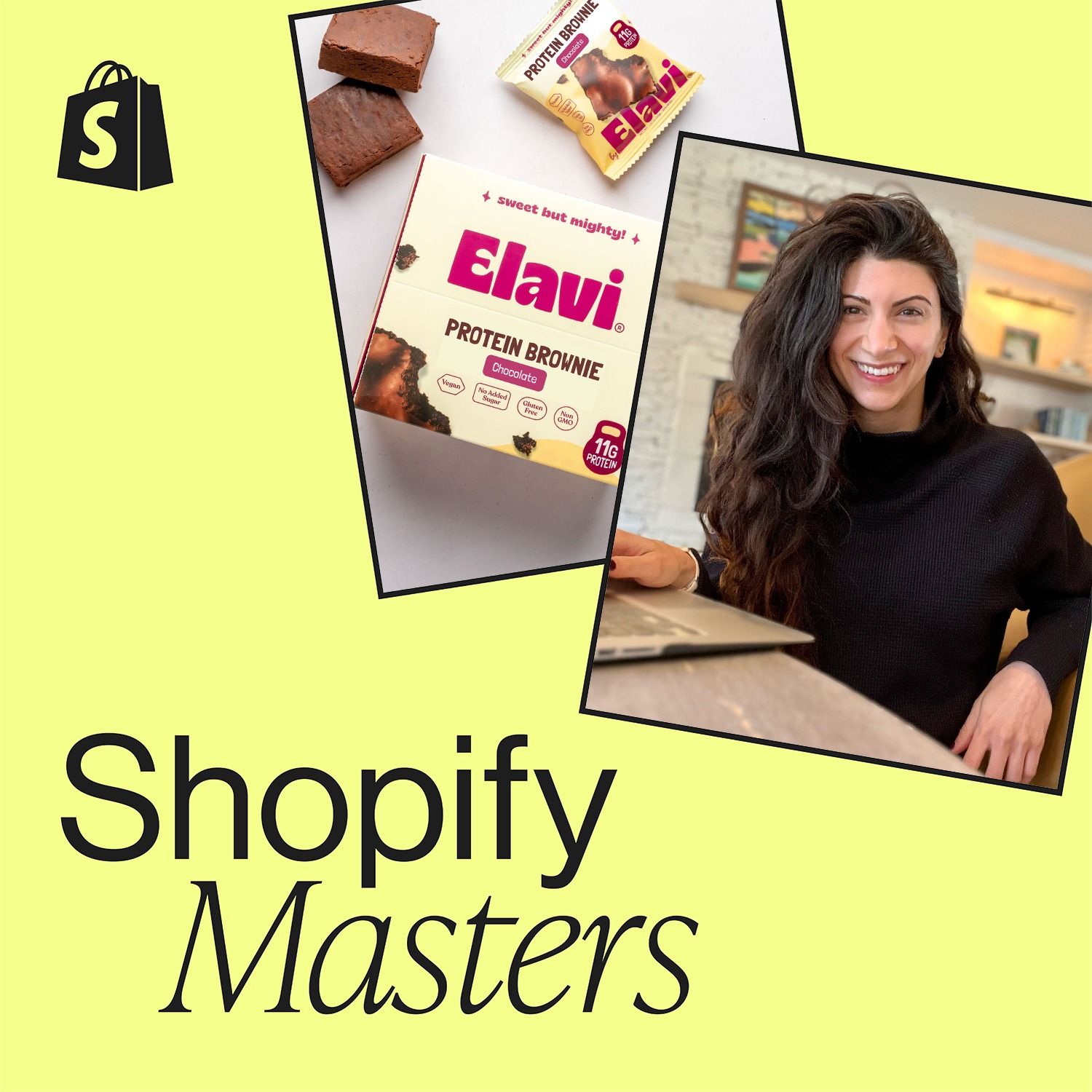
As AI generates vast amounts of generic content, brands that showcase genuine human stories, empathy, and creativity will build stronger connections and trust that technology cannot replicate.
AI cannot replicate your lived experience, personal experiments, or unique perspective. To make your content "AI-proof," lead with your own stories, data, and case studies. Sharing screenshots, income reports, and personal struggles creates content that AI can't remix, making your voice irreplaceable.
As AI-generated content becomes commoditized, brands can differentiate by pledging authenticity. American Eagle's viral anti-AI post shows that a "digitally organic" approach—committing to real, un-retouched, human-centric content—resonates with consumers in the same way the organic food movement created a premium category for natural products.

As audiences push back against AI-generated and overly polished stock imagery, featuring real people in authentic situations will be critical for engagement. Showcasing your team, customers, or volunteers in natural settings—not on a green screen—builds trust and connection, making genuine humanity the key to cutting through the noise.

While AI can replicate content and strategy, it cannot replicate your unique voice, story, and perspective. The parts of yourself you're trained to hide—vulnerability, imperfection, emotion—are what make you magnetic and build lasting connections with an audience.

Scott Belsky predicts that as AI-generated content floods feeds, audiences will develop a 'membrane of doubt.' To counter this, brands and artists will use 'proof of craft'—behind-the-scenes content showing the human effort involved—as a powerful tool for advertising and building trust.
