Get your free personalized podcast brief
We scan new podcasts and send you the top 5 insights daily.
B2B marketers shouldn't overcomplicate their first TV creative. A simple, direct-to-camera ad featuring the founder explaining the problem they solved is often one of the highest-performing formats. This authentic storytelling can resonate more than a high-production ad.

Related Insights
Instead of polished ad creative, have the founder record a simple, direct-to-camera video on their iPhone announcing the sale. This authentic, personal approach often generates higher click-through and conversion rates by creating a friend-to-friend connection with the audience.

Breeze's most effective ads are raw, unedited videos of the founder. In one example, he filmed himself calling a customer to refund their $560 order after a coin flip. That single ad cost $560 to make but generated an estimated $500,000 in sales, proving authenticity trumps production value.

The perception that TV requires expensive, Super Bowl-level creative is a myth. For initial tests, brands can effectively repurpose existing video content or leverage quick, cost-effective AI creative production companies to get campaigns live and begin learning without a massive upfront investment.

Don't create long, founder-led monologues for launch videos. The vast majority of viewer drop-off happens after the initial 30 seconds. Focus nearly all creative energy on making the first 30 seconds incredible by getting straight to the core value props. The rest of the video's length is secondary.

Despite testing various ad formats, Spot & Tango's best-performing creative was a simple static photo of their product on an office shelf. This low-fi, authentic ad resonated more with customers because it mimicked user-generated content (UGC).

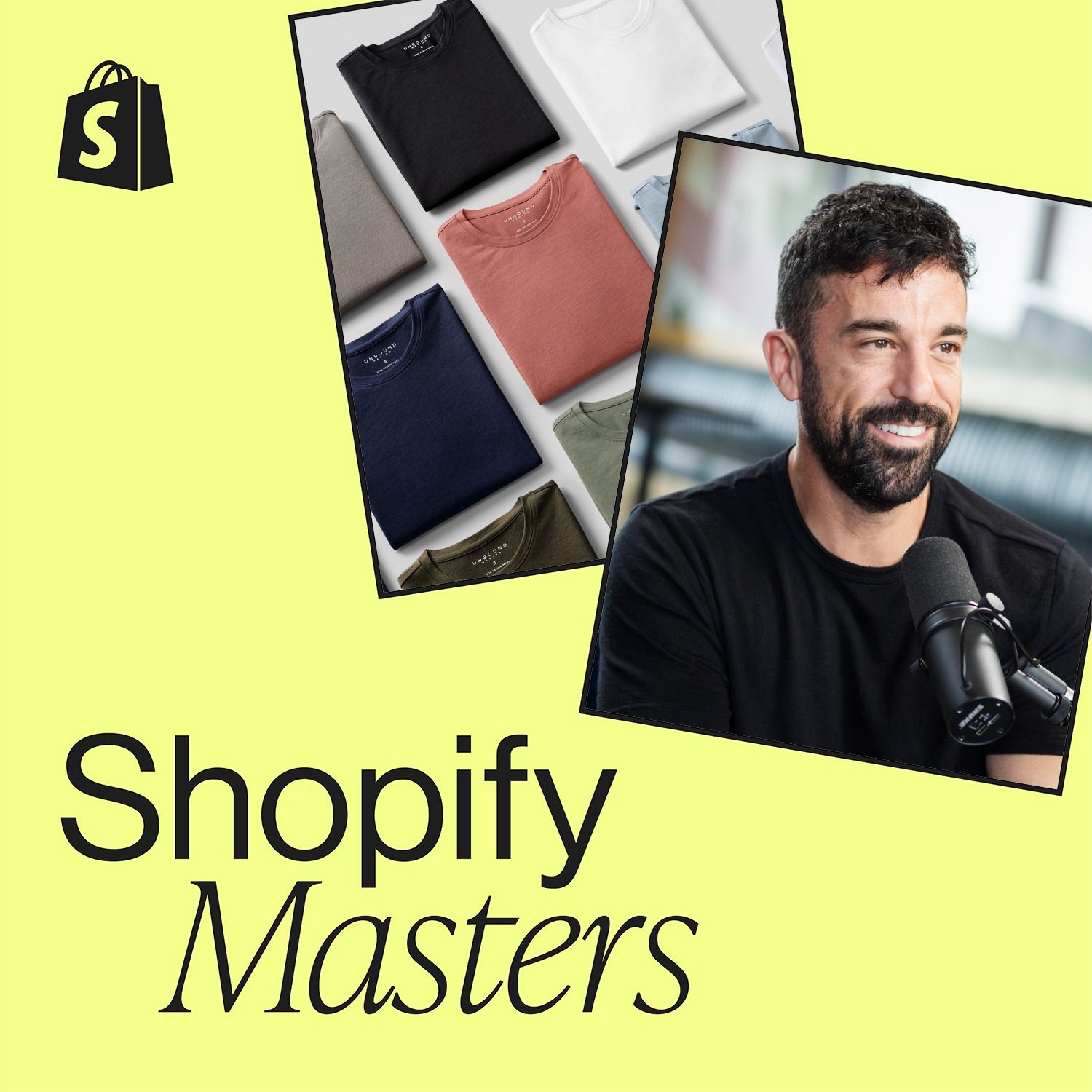
The CEO of Unbound Merino found that his most polished, creative ads often underperformed. Conversely, ads he felt were cheesy or made him uncomfortable—specifically, founder-led videos—were highly effective, showing that authenticity can trump production value.
Overly polished video content in B2B can signal "advertisement" to users, causing them to disengage. Lower-fidelity, more authentic content often performs better because it feels more organic and native to social media feeds, focusing on the message rather than slick production.

Instead of trying to out-entertain a competitor using a celebrity like Ryan Reynolds, Tatari features its actual B2B customers in TV ads. This strategy leverages authenticity and social proof, which resonates more strongly with a professional audience that values peer validation over entertainment.
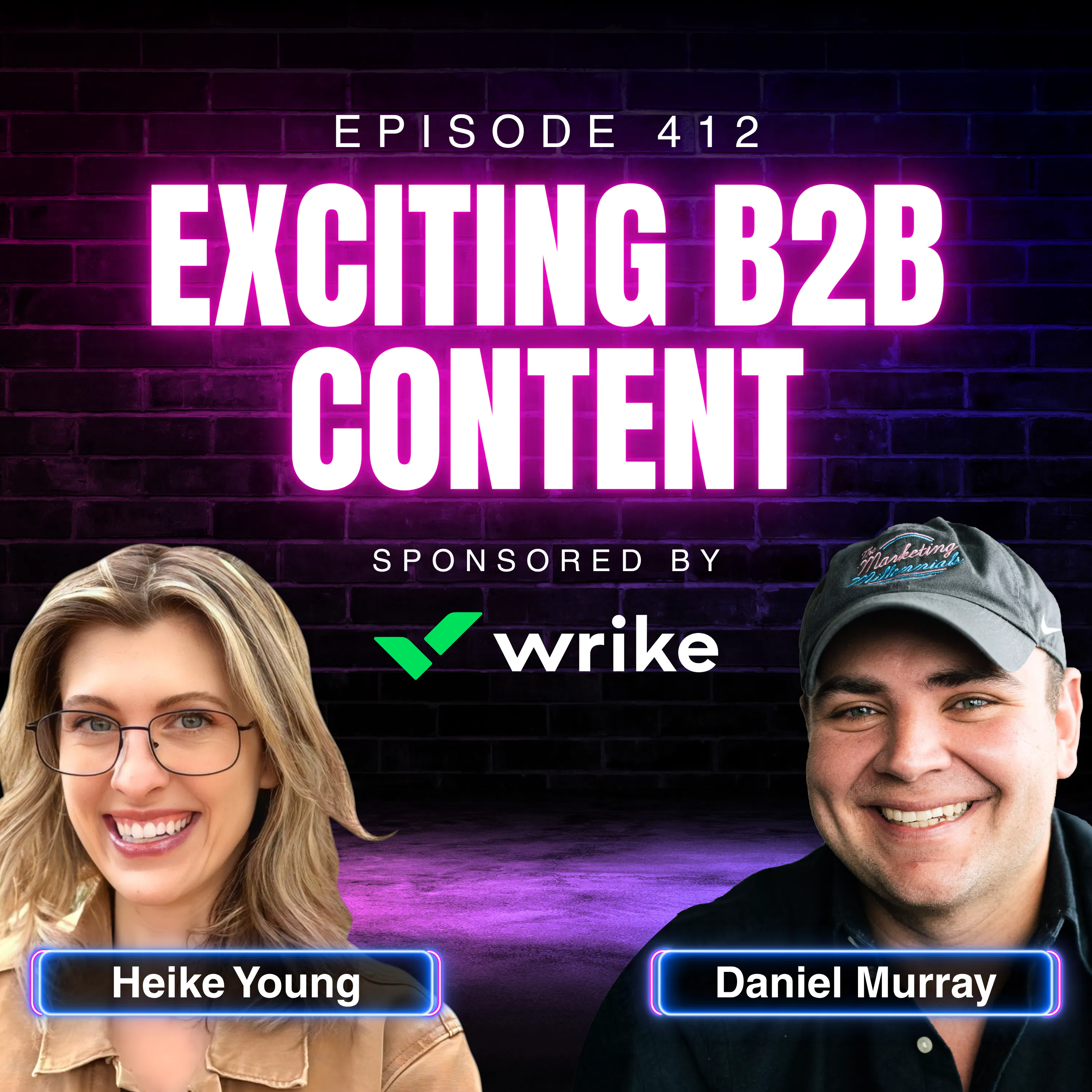
Polished, high-budget B2B videos can be counterproductive by appearing as ads, which audiences ignore. Heike Young argues that lower-fidelity, authentic content often performs better because it feels organic and trustworthy within a social feed, breaking through the noise of overly produced corporate messaging.
Don't assume TV advertising requires expensive, high-production creative. Brands can de-risk their TV investment by using lo-fi, UGC-style creative that has already proven effective on social media. This approach lowers the barrier to entry, allowing for faster testing and learning.
