Get your free personalized podcast brief
We scan new podcasts and send you the top 5 insights daily.
For platforms that aggregate and filter content, the flood of AI-generated media ("slop") is a net positive. Spotify doesn't need to build AI music tools; it just needs a superior algorithm to surface the "most delicious slop," reinforcing its position as the go-to discovery platform.

Related Insights
As AI tools enable millions of amateur creators to produce professional-quality content, platforms like YouTube and Spotify become less reliant on a small number of mainstream media giants. This diffusion of content creation shifts bargaining power away from traditional studios and labels to the platforms themselves.
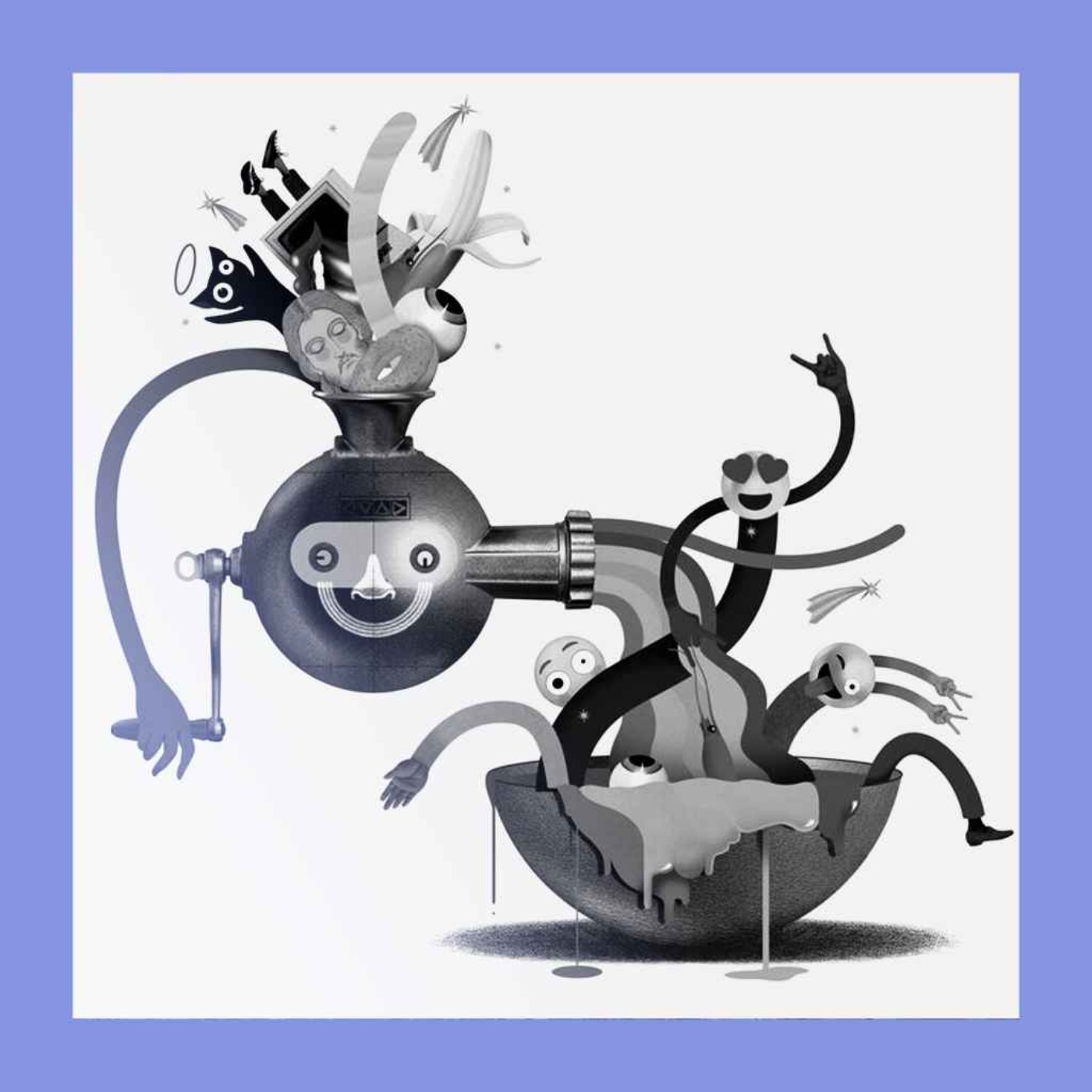
As AI-generated content or "slop" floods user-generated platforms like YouTube, Netflix has an opportunity to position itself as a premium, curated safe harbor. This dynamic could become a significant tailwind for its business, reinforcing the value of its human-gated content library in a world of infinite, low-quality noise.

The rise of AI music has created a significant challenge for streaming platforms. Fraudsters upload vast quantities of AI-generated music and use bots to generate plays, illegitimately collecting royalties. This industrial-scale "slop" problem threatens the financial integrity of the entire streaming ecosystem.

The fear of AI in music isn't that it will replace human artists, but that it will drown them out. The real danger is AI-generated music flooding streaming playlists, making genuine discovery impossible. The ultimate risk is platforms like Spotify creating their own AI music and feeding it directly into their algorithms, effectively cutting human artists out of the ecosystem entirely.

While increasing subscription fees due to its market dominance, Spotify is simultaneously leveraging AI-generated music. This strategy could significantly reduce its largest expense—artist royalties—by populating background-listening playlists with royalty-free AI tracks, creating a powerful profit engine.

Contrary to expectations, the flood of AI-generated content doesn't dilute the success of top artists. In a sea of infinite choice, users rely more on algorithms, which tend to amplify the reach of already popular stars, making the biggest names more dominant than ever.
The term "slop" is misattributed to AI. It actually describes any generic, undifferentiated output designed for mass appeal, a problem that existed in human-made media long before LLMs. AI is simply a new tool for scaling its creation.
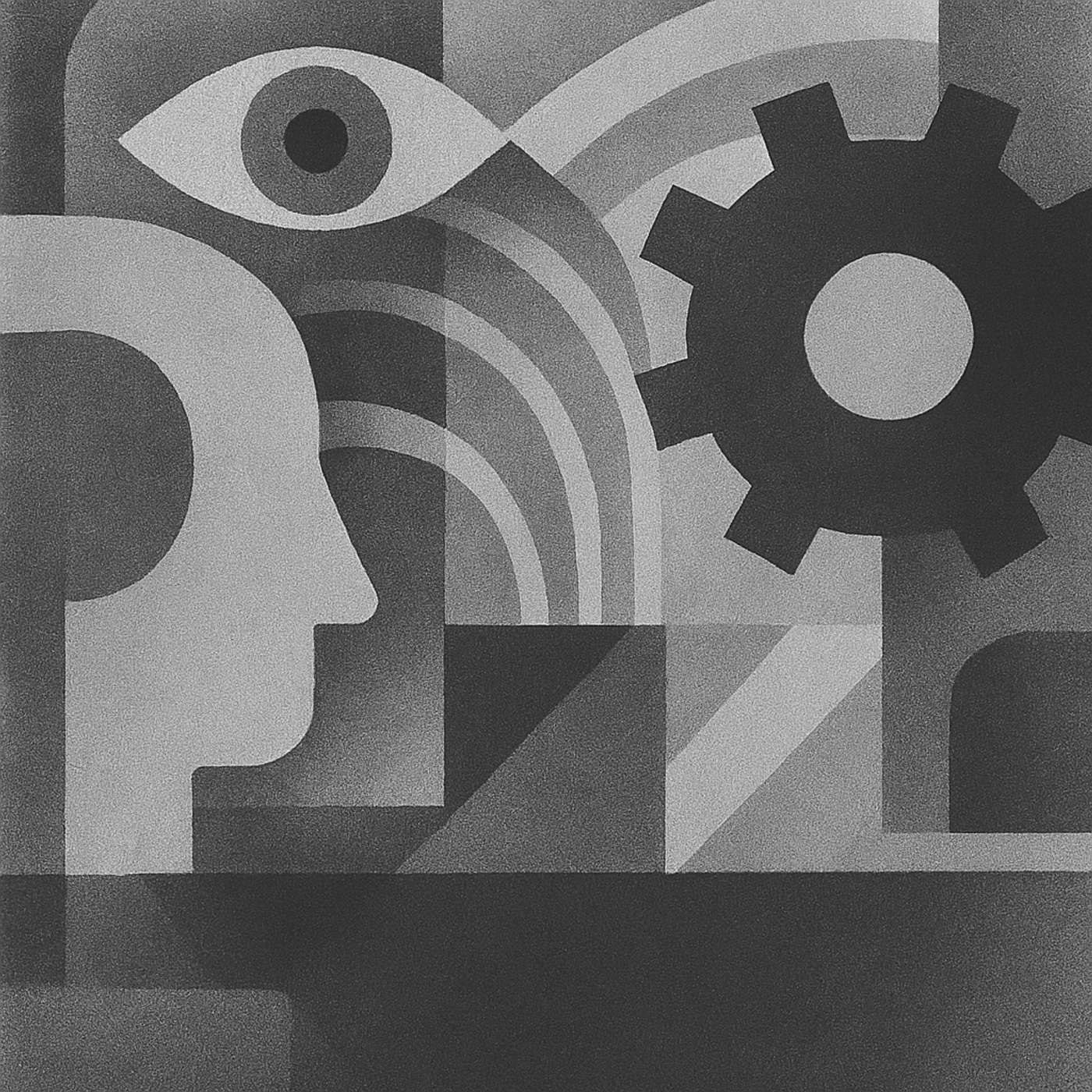
While Generative AI will dramatically lower content creation costs, it will also lead to a massive explosion of new content. This dynamic decreases the value of existing IP libraries but massively benefits distribution platforms like Netflix and YouTube, which aggregate eyeballs and win in a world of content abundance.
The negative perception of current AI-generated content ('slop') overlooks its evolutionary nature. Today's low-quality output is a necessary step towards future sophistication and can be a profitable business model, as it represents the 'sloppiest' AI will ever be.

The dominance of passive, playlist-based music consumption is creating an audience primed for AI-generated content. As fewer listeners actively engage with artists and more treat music as background noise, the barrier for AI music to gain acceptance shrinks significantly.