Get your free personalized podcast brief
We scan new podcasts and send you the top 5 insights daily.
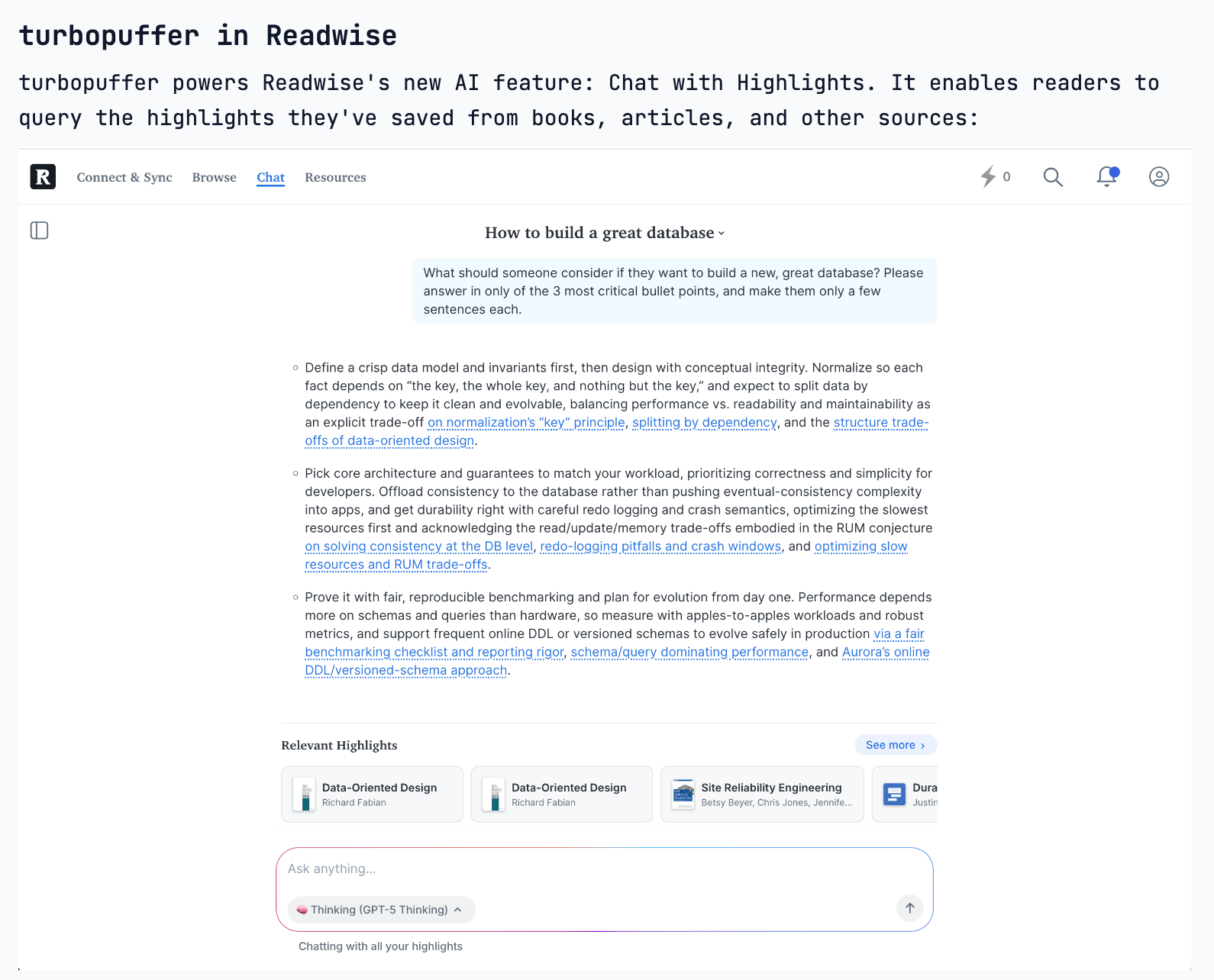
High-agency engineering is defined as the relentless process of making software perform closer to its theoretical limits, as calculated by first-principles "napkin math." Elite engineers systematically eliminate bottlenecks until the observed performance matches the theoretical maximum.
Related Insights
In hardware automation, a "go slow to go fast" approach is essential. Iterations are too slow and costly once hardware is built. Front-loading validation through drawings and simulations avoids major architectural issues that often get buried later due to project momentum or "go fever."

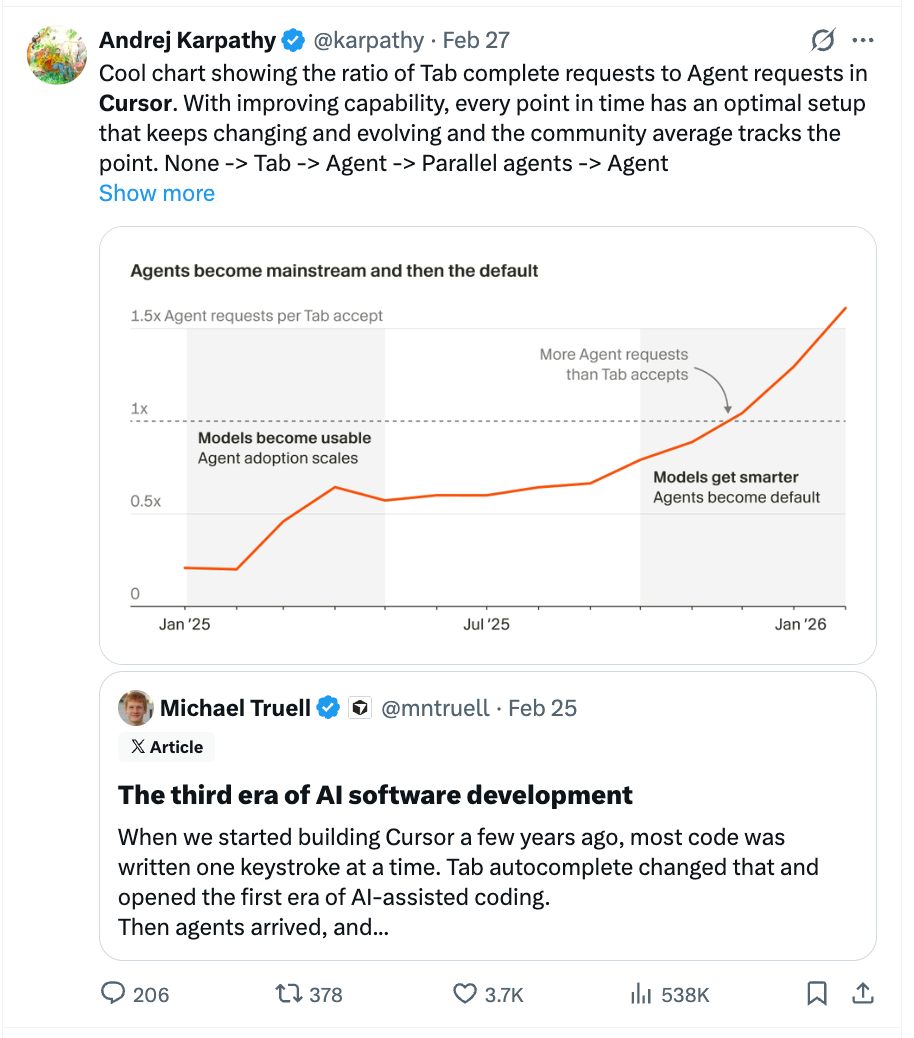
The workflow of a "100x engineer" involves managing multiple AI coding agents simultaneously, with each agent working independently on tasks. The engineer's role shifts from writing code to orchestrating these agents, rotating attention between them like a conductor directing an orchestra.

The focus in AI engineering is shifting from making a single agent faster (latency) to running many agents in parallel (throughput). This "wider pipe" approach gets more total work done but will stress-test existing infrastructure like CI/CD, which wasn't built for this volume.
The "SOL" framework at NVIDIA isn't just a top-down executive command to "get the bullshit out." It's a cultural tool used by frontline engineers to challenge assumptions and push for a root-cause, physics-based understanding of timelines and constraints on any project.
Borrowing a term from Formula One, Chris Fregly argues that AI engineers must develop a deep, symbiotic understanding of the full hardware-software stack. Rather than just staying at the Python level, true optimizers must co-design algorithms, software, and hardware, just as a champion driver understands how to build their car.
When technical performance hits a ceiling, design can solve the user's experience of speed. Perceived performance is a design problem addressed through interactions, optimistic UI, and loading states, making the product feel faster even when the underlying systems are not.

The primary obstacle to creating a fully autonomous AI software engineer isn't just model intelligence but "controlling entropy." This refers to the challenge of preventing the compounding accumulation of small, 1% errors that eventually derail a complex, multi-step task and get the agent irretrievably off track.

The "Speed of Light" (SOL) principle at NVIDIA combats project delays by demanding the absolute physical limit or theoretical minimum time for a task. This forces teams to reason from first principles before layering in practical constraints and excuses.
The key to extreme productivity with AI coding agents isn't just speed. It's a fundamental workflow shift where engineers invest heavily upfront in creating detailed specifications, flipping the traditional 20% planning / 80% coding ratio to approximately 60% planning / 40% AI execution.
True high performance isn't about repeating the same failed action. It's about systematically trying numerous different methods to solve a problem. When faced with a roadblock, exceptional people exhaust every possible angle—new hires, acquisitions, creative training—until the goal is achieved.
