Get your free personalized podcast brief
We scan new podcasts and send you the top 5 insights daily.
Rather than relying on intuition or outdated static personas, teams can feed hundreds of real user onboarding transcripts into an LLM. When evaluating new features or page designs, the AI simulates how each persona would react. This approach turns qualitative customer data into an automated decision-testing engine.

Related Insights
Instead of immediately seeking interviews, founders can build an AI persona of their ideal customer. By feeding it documents and archetypes, they can rapidly query the persona to test value propositions, pricing, and features, compressing months of traditional customer discovery work into days.

Instead of manual user testing, prompt an AI agent to adopt specific user personas, like a hurried product manager or a spec-focused engineer. The AI will then use your application from that persona's perspective, providing targeted, research-style feedback on friction points and user experience.

The primary AI bottleneck isn't idea generation, but validation. Feed customer research data (call transcripts, survey data) into an AI to create 'synthetic customers' that can give initial feedback on prototypes, quickly filtering out bad ideas before engaging real users.
Traditional marketing relies on static, often biased customer personas. AI-driven systems replace these assumptions with dynamic models built on real-time user behavior. This allows startups to observe what customers actually do, removing bias and grounding strategy in reality.
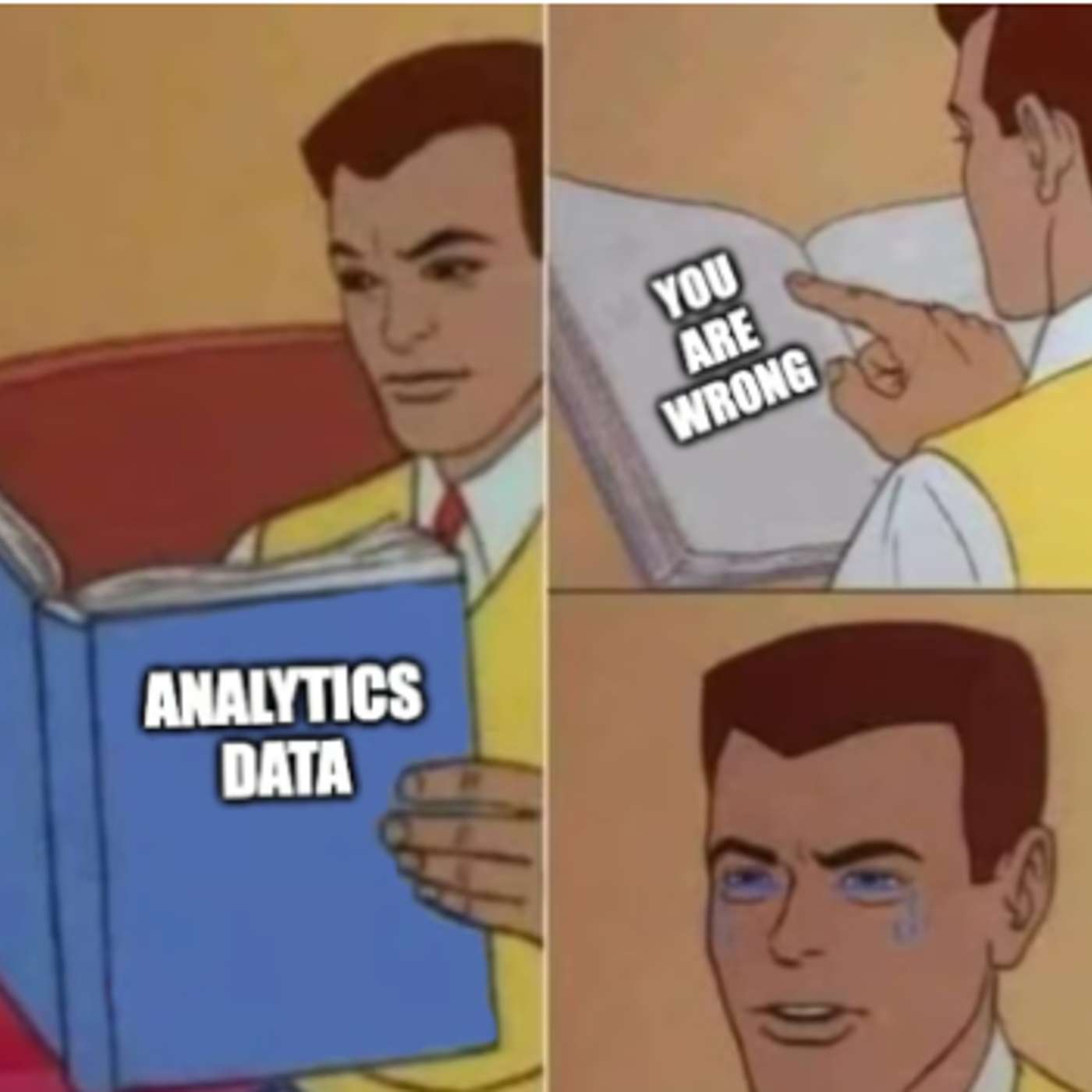
Startups should stop building customer personas on assumptions and surveys. Instead, use AI to analyze real-time behavioral data, creating dynamic profiles that update automatically. This shifts marketing from targeting who you think customers are to who they actually are based on their actions.

Instead of manually sifting through overwhelming survey responses, input the raw data into an AI model. You can prompt it to identify distinct customer segments and generate detailed avatars—complete with pain points and desires—for each of your specific offers.

Expensive user research often sits unused in documents. By ingesting this static data, you can create interactive AI chatbot personas. This allows product and marketing teams to "talk to" their customers in real-time to test ad copy, features, and messaging, making research continuously actionable.

Instead of relying on static persona decks, marketers can feed raw data like sales call transcripts and support tickets into AI tools to generate live, interactive customer profiles. These apps can be instantly updated with new information, ensuring the entire organization is aligned on a current view of the customer.

The most reliable customer insights will soon come from interviewing AI models trained on vast customer datasets. This is because AI can synthesize collective knowledge, while individual customers are often poor at articulating their true needs or answering questions effectively.

Instead of guessing at marketing copy, build an AI model of your ideal customer. By feeding it internal data like call transcripts and external data like forum posts, this "digital twin" can review and rewrite your marketing materials using the customer's exact language.