Get your free personalized podcast brief
We scan new podcasts and send you the top 5 insights daily.
To avoid bureaucratic slowdowns as it scales, Legend Biotech maintains its nimble "startup" culture by constantly focusing the team on patient needs. This patient-centricity, combined with efficient leadership decision-making, ensures the company operates with speed and purpose despite its large size.

Related Insights
BridgeBio's unique structure creates dedicated subsidiaries for each program. This empowers small, focused teams closest to the science to make key decisions—"play calling on the field"—without layers of bureaucracy. This model dramatically accelerates development, leading to unprecedented output of new drugs.

Large companies like Rippling and TripActions maintain innovation velocity by creating "carved out" teams for new, "zero to one" initiatives. This organizational strategy provides singular focus, empowering a small group to execute with the intensity and speed of an early-stage startup without corporate distractions.

Large corporations can avoid stagnation by intentionally preserving the "scrappy" entrepreneurial spirit of their early days. This means empowering local teams and market leaders to operate with an owner's mindset, which fosters accountability and keeps the entire organization agile and innovative.

A biotech transitioning from a small, 'fit-for-purpose' R&D team to a large commercial organization gets a rare chance to create a new culture. Madrigal treated its rapid growth from ~100 to over 500 people as an opportunity to establish fresh core values for the newly-formed enterprise.

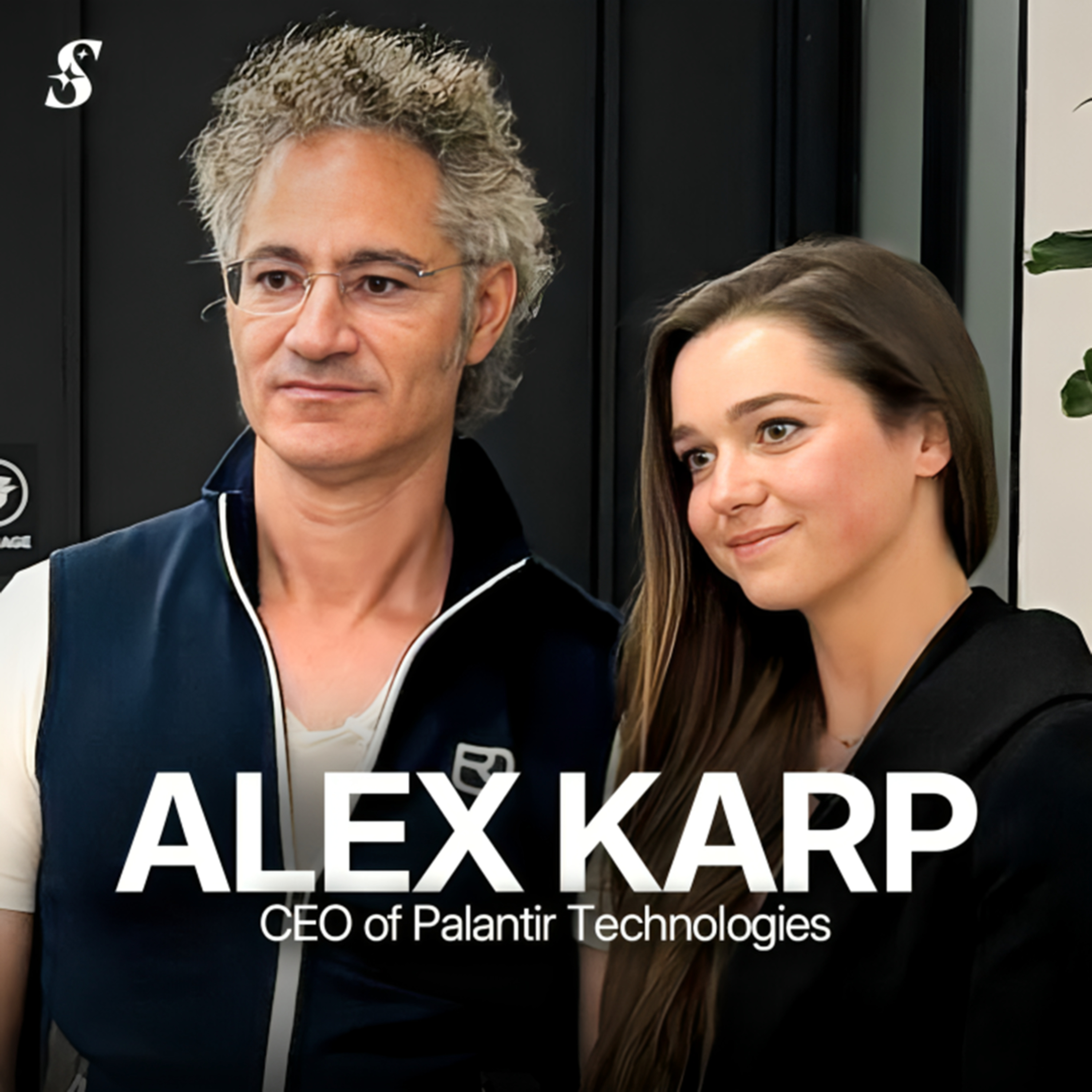
Palantir's success stems from its "anti-playbook" culture. It maintains a flat, meritocratic structure that feels like a startup despite its size. This environment fosters original thinking and rewards those who excel outside of rigid, conventional frameworks, turning traditionally undervalued traits into strengths.
As companies grow from 30 to 200 people, they naturally become slower. A CEO's critical role is to rebuild the company's operating model, deliberately balancing bottom-up culture with top-down strategic planning to regain speed and ensure everyone is aligned.

Beyond simple headcount growth, a biotech's culture must fundamentally shift as it matures. Moving into clinical trials requires a new focus on patient safety and regulation, while commercialization introduces intense pressure for compliance and revenue generation.

The primary operational difference between biotech and big pharma isn't just budget size, but how resource constraints force radical prioritization. The entire biotech organization must align on three or four critical, needle-moving goals tied to the next financing catalyst, a level of focus often diffused in larger companies.

Former Biogen R&D head Al Sandrock defines the agility of a small company not just as speed, but as the ability to make decisions by informally gathering key people in the hallway, bypassing the need to schedule formal meetings. This contrasts with large organizations where many more people and committees are necessarily involved.

Alan Bash describes Legend Biotech as a 'Goldilocks company.' It has an approved, blockbuster therapy, a strong balance sheet, and a pipeline, providing stability. Yet, it maintains a small, agile culture focused on fast decision-making, offering the best of both worlds.