Get your free personalized podcast brief
We scan new podcasts and send you the top 5 insights daily.
Alan Bash describes Legend Biotech as a 'Goldilocks company.' It has an approved, blockbuster therapy, a strong balance sheet, and a pipeline, providing stability. Yet, it maintains a small, agile culture focused on fast decision-making, offering the best of both worlds.

Related Insights
A third of small-to-mid-cap biotech firms are becoming profitable, with cash reserves projected to soar from $15B in 2025 to over $130B by 2030. This financial strength, combined with large-cap patent expirations, positions them not just as acquisition targets but as potential players in the M&A landscape themselves.

BridgeBio's unique structure creates dedicated subsidiaries for each program. This empowers small, focused teams closest to the science to make key decisions—"play calling on the field"—without layers of bureaucracy. This model dramatically accelerates development, leading to unprecedented output of new drugs.

While large pharmaceutical companies are filled with a wide breadth of smart people, smaller biotech firms offer a different kind of intellectual environment. They feature the same degree of brilliance, but it's concentrated in a much more focused organization, creating a unique depth of talent.

Alan Bash's biggest learning after moving from Bristol-Myers Squibb to smaller biotechs was the constant pressure of cash runway. Unlike in large pharma where budgets are a concern, in biotech, cash availability dictates all strategic choices, including partnerships and M&A.
In the rare disease space, success hinges on deep patient community engagement. Smaller, nimbler biotechs often excel at creating these essential personal ties, giving them a significant advantage over larger pharmaceutical companies.
The transition from a resource-rich environment like Novartis to an early-stage biotech reveals a stark contrast. The unlimited access to a global organization is replaced by a total reliance on a small, nimble team where everyone must be multi-skilled and hands-on, a change even experienced executives find jarring.
The current biotech bull market is fundamentally different from past rallies. It's driven by small and mid-sized companies successfully launching products and generating revenue, shifting the sector from a "dream-based" industry to one focused on execution and profitability.

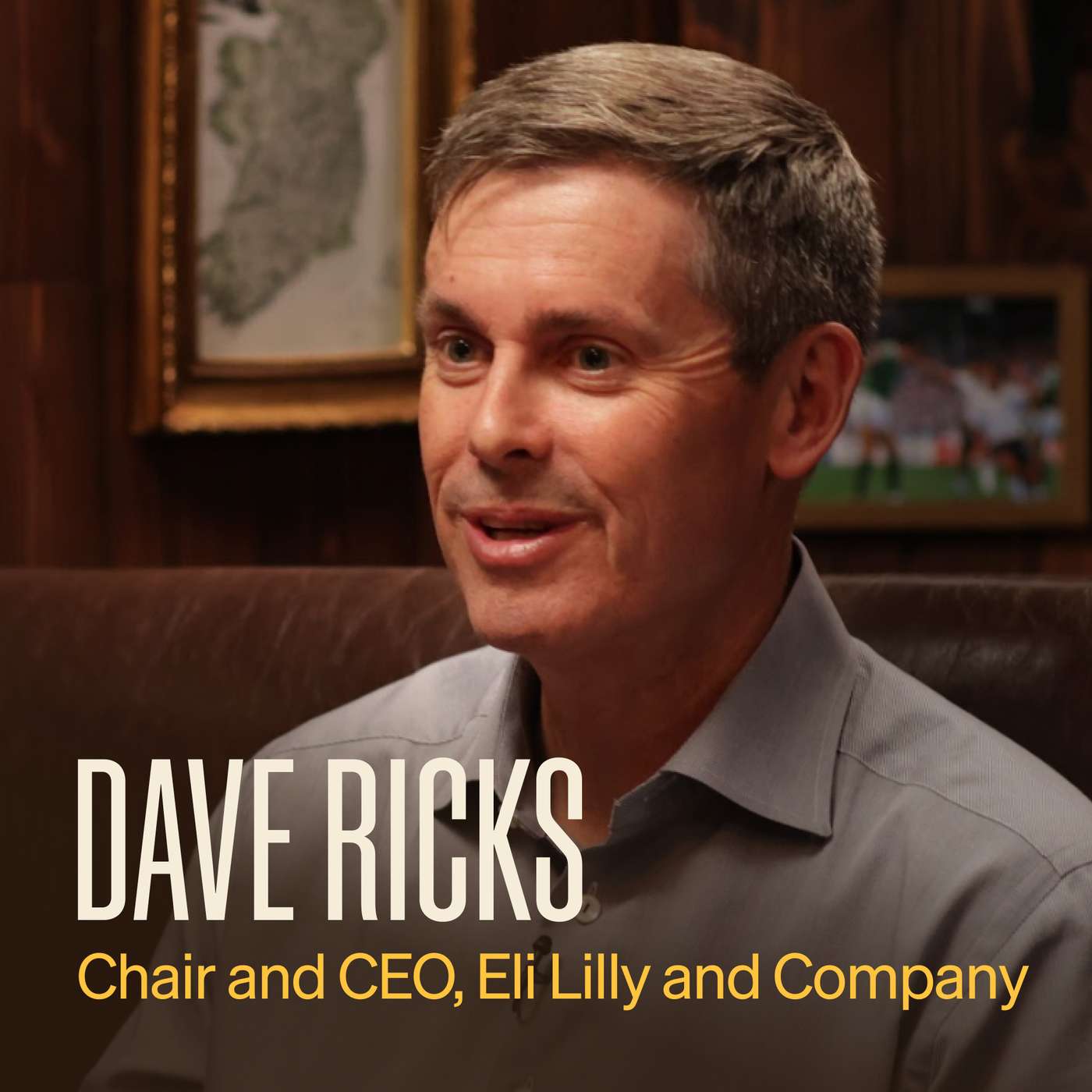
To avoid the pitfalls of scale in R&D, Eli Lilly operates small, focused labs of 300-400 people. These 'internal biotechs' have mission focus and autonomy, while leveraging the parent company's scale for clinical trials and distribution.
Former Biogen R&D head Al Sandrock defines the agility of a small company not just as speed, but as the ability to make decisions by informally gathering key people in the hallway, bypassing the need to schedule formal meetings. This contrasts with large organizations where many more people and committees are necessarily involved.

BridgeBio aims to become a "next generational" company like Regeneron. They believe the rare combination of two ingredients makes this possible: a successful, launched flagship product generating revenue, and a robust pipeline of multiple Phase 3 programs all set to read out within a year.