Get your free personalized podcast brief
We scan new podcasts and send you the top 5 insights daily.
On's co-founder identifies a societal shift from a "leisure class," focused on owning things, to a "movement class" that prioritizes experiences, vitality, and health. This change created a new market for brands like On that align with these modern values.

Related Insights
A coach's criticism about athletes training barefoot—a threat to a shoe company—sparked an "aha moment." Instead of dismissing it, Nike innovated by creating a shoe that replicated the benefits of barefoot running, thereby capturing the user's intent and creating a new product category.

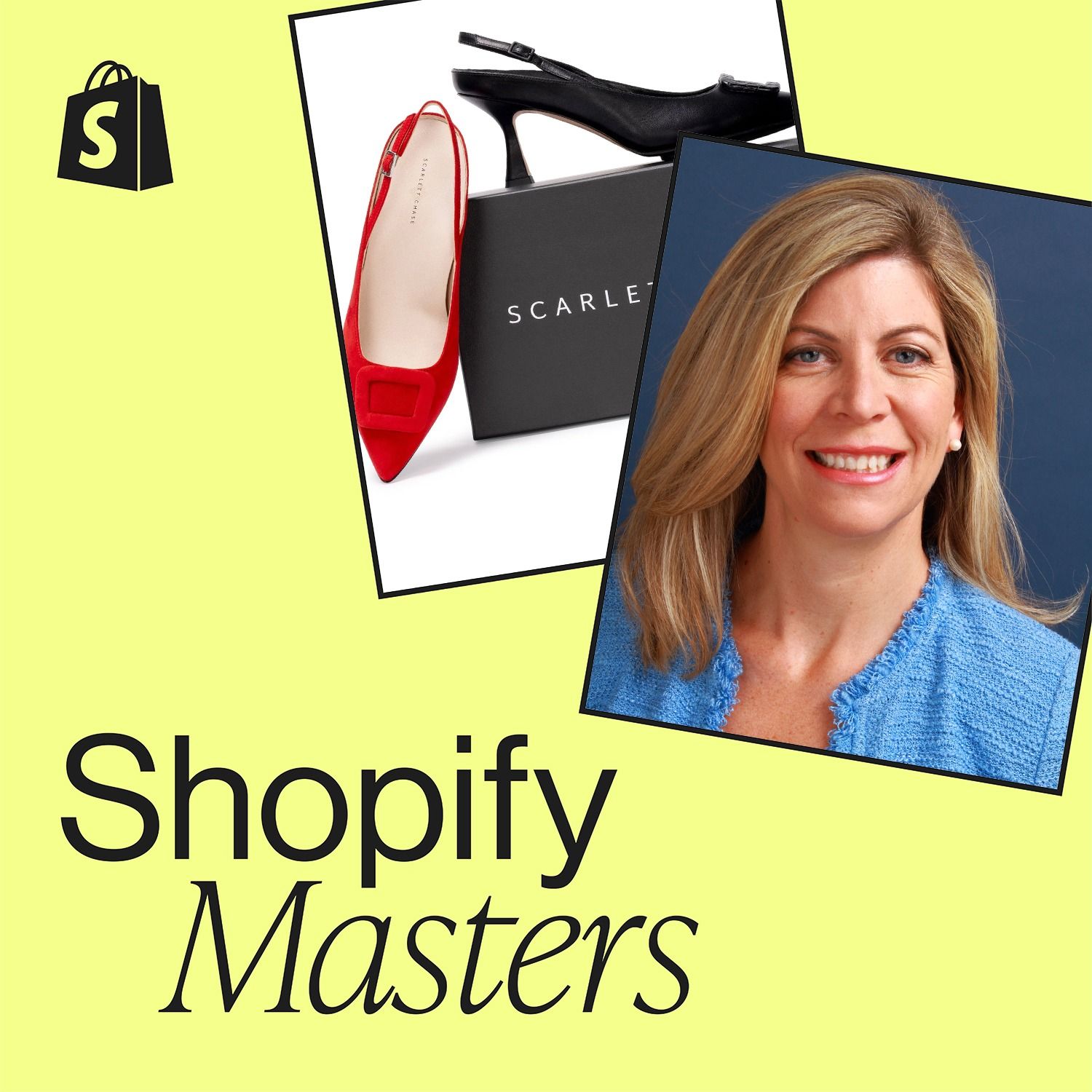
Instead of lowering prices to capture a wider audience, Scarlet Chase embraces a high-end niche. The founder's philosophy is that diluting the product's quality for broader appeal is a mistake. The strategy is to deliver exceptional value to a focused group of customers who can afford and appreciate the investment.
The entry of fashion-first brands like Skims, J.Crew, and Alo Yoga into ski apparel reflects skiing's transformation from a casual hobby into a luxury lifestyle choice. High costs and consolidation have made it an all-in commitment, similar to sailing or horseback riding, attracting brands that sell an image, not just gear.

Avoid the middle ground. On Running learned that designing for a "hybrid" persona who moves from the gym to a cafe leads to compromises. It's better to create a best-in-class performance product that people choose to wear for style, rather than a watered-down product that serves neither purpose well.

On strategically positions itself as a premium brand by investing heavily in innovation to justify its price, aiming to give everyone a better experience. This is contrasted with luxury brands that create value through exclusivity and limiting access.
Product inspiration can come from unexpected places. On Running's CPO points to the perfume industry's ability to sell an intangible feeling through packaging and branding as a key lesson in creating an emotional connection with consumers, even for highly functional products like running shoes.
Nike didn't just market shoes; they celebrated the act of running. Bill Bowerman's book "Jogging" and early retail stores as "sanctuaries for runners" created a culture around the sport. This strategy dramatically expanded their total addressable market by popularizing the activity their product served.

To combat new competitors, iconic brands can create immersive hospitality experiences. A Nike-branded fitness resort would be a powerful PR move to demonstrate cutting-edge performance and re-engage a skeptical public, serving as the ultimate expression of the brand and allowing customers to experience its identity firsthand.
Instead of competing with Nike on performance, Outdoor Voices intentionally created an aesthetic that was the complete opposite: simple, muted, and focused on recreation. The goal was a four-piece "uniform for doing things" that contrasted with Nike's shiny, black-and-neon intensity.

Instead of just creating an 'athleisure' line because it's popular, Hanes identified specific problems—like chafing—that consumers experience during movement. They then designed products with features like anti-chafe panels, directly linking innovation to their core brand promise of comfort.
