Get your free personalized podcast brief
We scan new podcasts and send you the top 5 insights daily.
Nike didn't just market shoes; they celebrated the act of running. Bill Bowerman's book "Jogging" and early retail stores as "sanctuaries for runners" created a culture around the sport. This strategy dramatically expanded their total addressable market by popularizing the activity their product served.

Related Insights
To create a market where none existed, Zwift established a clear value prop centered on making fitness fun. It then leveraged a B2B2C partnership strategy, integrating with existing cycling brands to build a powerful network effect and manufacture demand.

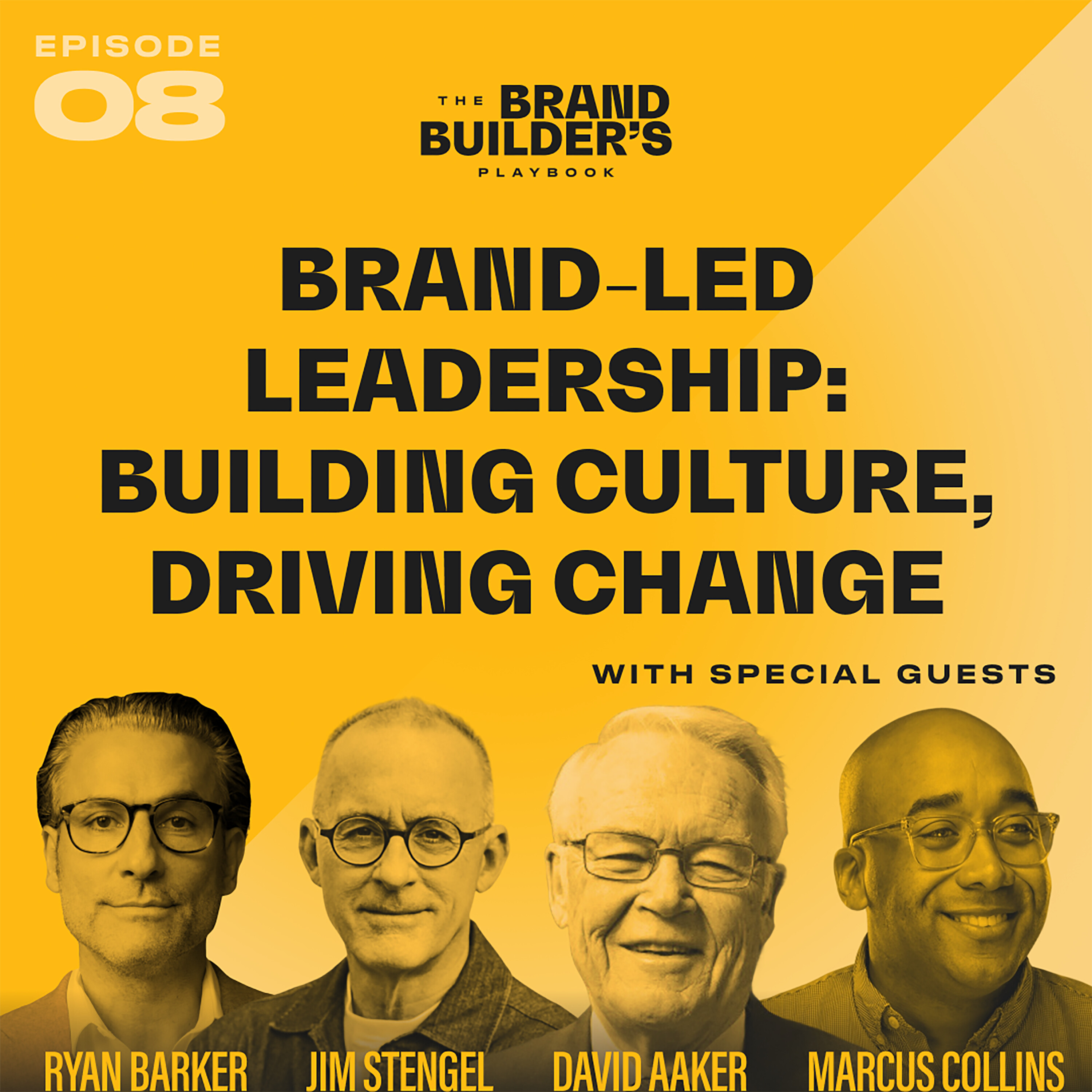
Marcus Collins explains that brands limited to their product (e.g., toothpaste) have little to talk about. However, a brand with a broader ideology (like Nike's belief that "Every human body is an athlete") gains entry and authority to engage in wider cultural discourse, creating significant energy and relevance.
Nike's marketing genius is that their ads are never about the shoes. Instead, they focus on storytelling and celebrating greatness, associating the brand with the aspirational feeling of athletic achievement. This emotional connection makes the brand a default choice for anyone striving to be great.

Nike's pivot from a niche athletic company to a cultural icon was sparked by a simple decision: producing the Waffle Trainer in blue. This allowed the shoe to be paired with jeans, transforming it from specialized athletic gear into an everyday fashion statement and symbol of identity. It shows how a minor product choice can redefine a market.
![[Outliers] Phil Knight: The Obsession That Built Nike thumbnail](https://megaphone.imgix.net/podcasts/9c0d00ea-df1d-11ef-9477-2b8336fcd8e9/image/113a058265322df92ae562c548d1dc8f.jpg?ixlib=rails-4.3.1&max-w=3000&max-h=3000&fit=crop&auto=format,compress)
A coach's criticism about athletes training barefoot—a threat to a shoe company—sparked an "aha moment." Instead of dismissing it, Nike innovated by creating a shoe that replicated the benefits of barefoot running, thereby capturing the user's intent and creating a new product category.

Through ethnographic studies, Lego discovered it competed for a shrinking "20-minute play window." This insight shifted their focus from selling bricks to embedding Lego in stories and characters, effectively expanding their addressable market across a child's entire day.

The common thread among enduring brands like Nike, Visa, and Amazon is their ability to continuously self-disrupt. They adapt to new customer needs and market dynamics—like Nike expanding into women's apparel—while remaining anchored to their fundamental brand identity to avoid inauthentic pivots.
By positioning itself alongside hobbies like "puzzling" and "knitting," LEGO successfully transformed its product from a children's toy into an adult activity, or "LEGO-ing." This "verb'ing" of the brand made it an acceptable midlife hobby, dramatically expanding its customer base beyond the traditional toy market.

Gymshark's key product differentiator wasn't just performance, but aesthetics. They obsessed over creating 'physique accentuating' fits that made customers look and feel better. This tapped into the core emotional motivation of their gym-going audience, creating a stronger brand connection than purely functional apparel.

LoveSack operated successfully for years based on product instinct alone. However, transformational growth occurred only after the company intentionally defined its core brand philosophy—'Designed for Life'—and then amplified that clear message with advertising. This shows that a well-defined brand story is a powerful, distinct growth lever, separate from initial product-market fit.