Get your free personalized podcast brief
We scan new podcasts and send you the top 5 insights daily.
Contrary to the "master of none" critique, biomedical engineers provide unique value by integrating engineering disciplines with an understanding of physiology and patient context. This interdisciplinary perspective is something a pure software or mechanical engineer often lacks when developing biotechnology.

Related Insights
A senior engineer's greatest impact often comes not from being the deepest technical expert, but from having enough context across multiple domains (marketing, PR, engineering) to act as a translator. They synthesize information and help teams with deep expertise navigate complex, cross-functional decisions.

The best career paths are now found at the intersection of two seemingly unrelated disciplines. This "bilingual" approach creates a unique perspective and value that cannot be easily replicated by others with traditional, siloed expertise, like a pediatric surgeon who is also a game developer.

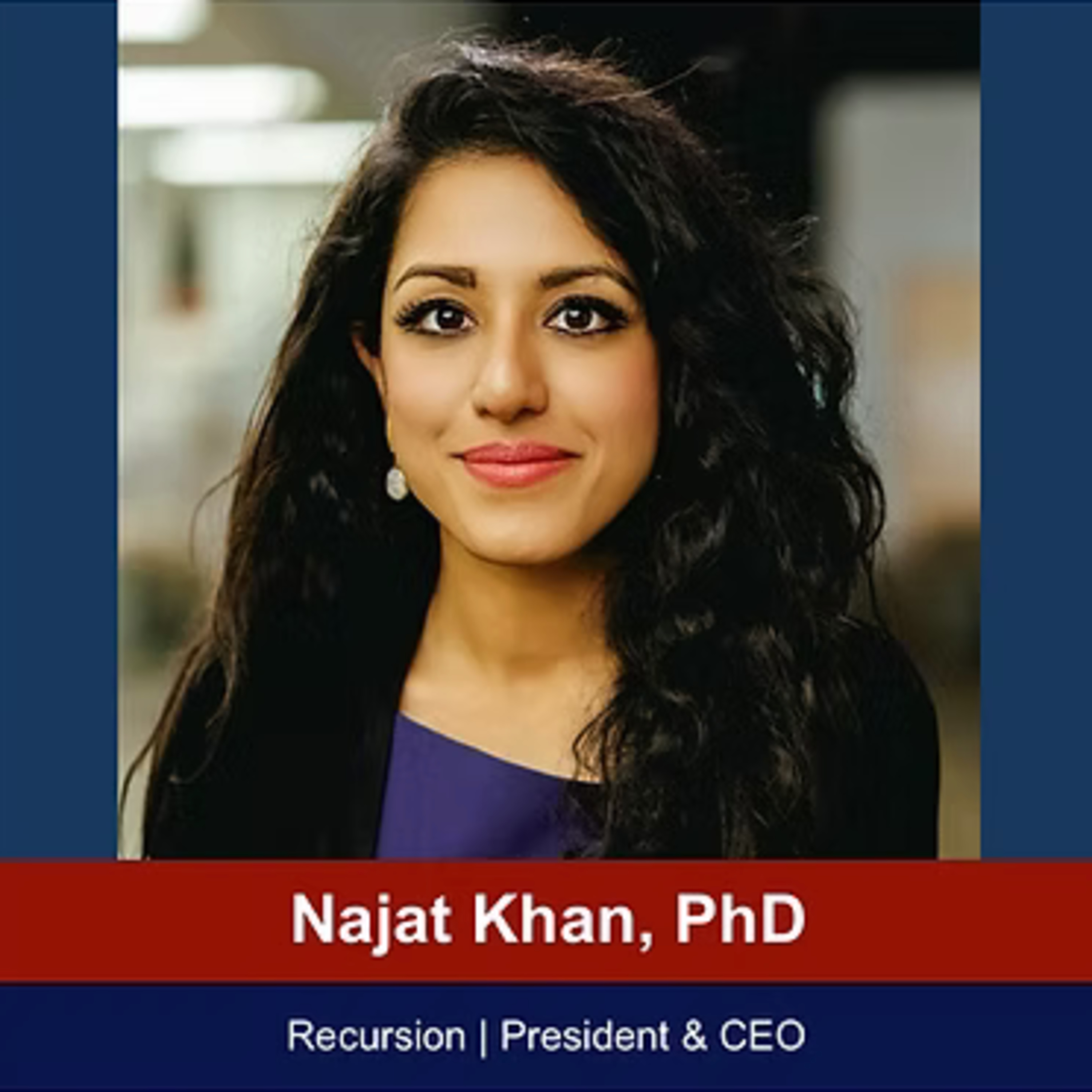
Recursion CEO Najat Khan argues the most valuable biotech professionals are "systems thinkers" who are fluent in both science and technology. She advises against narrow specialization, stating that the ability to connect the dots across complex disciplines is what drives innovation in drug discovery.
Today's AI-first drug companies must bridge the gap between separate AI and biology experts. The future competitive advantage will belong to a new generation of scientists who are trained from the start to be fluent in both disciplines, eliminating the "accent" of learning one as a second language.

Major advancements in biotech instrumentation are not just software or AI achievements. They are the result of a deeply multidisciplinary effort over many years, requiring innovations and integration across optics, fluidics, chemistry, hardware, and biology to create powerful new tools.

The idea for a living computer came not from biologists, but from engineers with backgrounds in signal processing. This highlights how breakthrough innovations often occur at the intersection of disciplines, where outsiders can reframe a problem from a fresh perspective.

Career advancement isn't always about deepening expertise in one narrow field. It can be driven by a curiosity to understand how different functions connect. This cross-functional perspective reveals process inefficiencies, and solving them leads to recognition, growth, and new opportunities.

Amelia Howe transitioned from nursing to biomedical engineering, driven by a love for anatomy but finding the emotional labor of patient care unsustainable. This shows how a core scientific interest can be applied in very different professional fields, bridging medicine and technology.

Top engineers are no longer just coding specialists. They are hybrids who cross disciplines—combining product sense, infrastructure knowledge, design skills, and user empathy. AI handles the specialized coding, elevating the value of broad, system-level thinking.

Effective collaboration between physicians, data scientists, and business leaders requires a dedicated 'bridging communicator.' This person understands both clinical implications and data science requirements, translating medical needs into technical tasks and outputs into clinical insights, preventing specialists from working in isolation.