Get your free personalized podcast brief
We scan new podcasts and send you the top 5 insights daily.
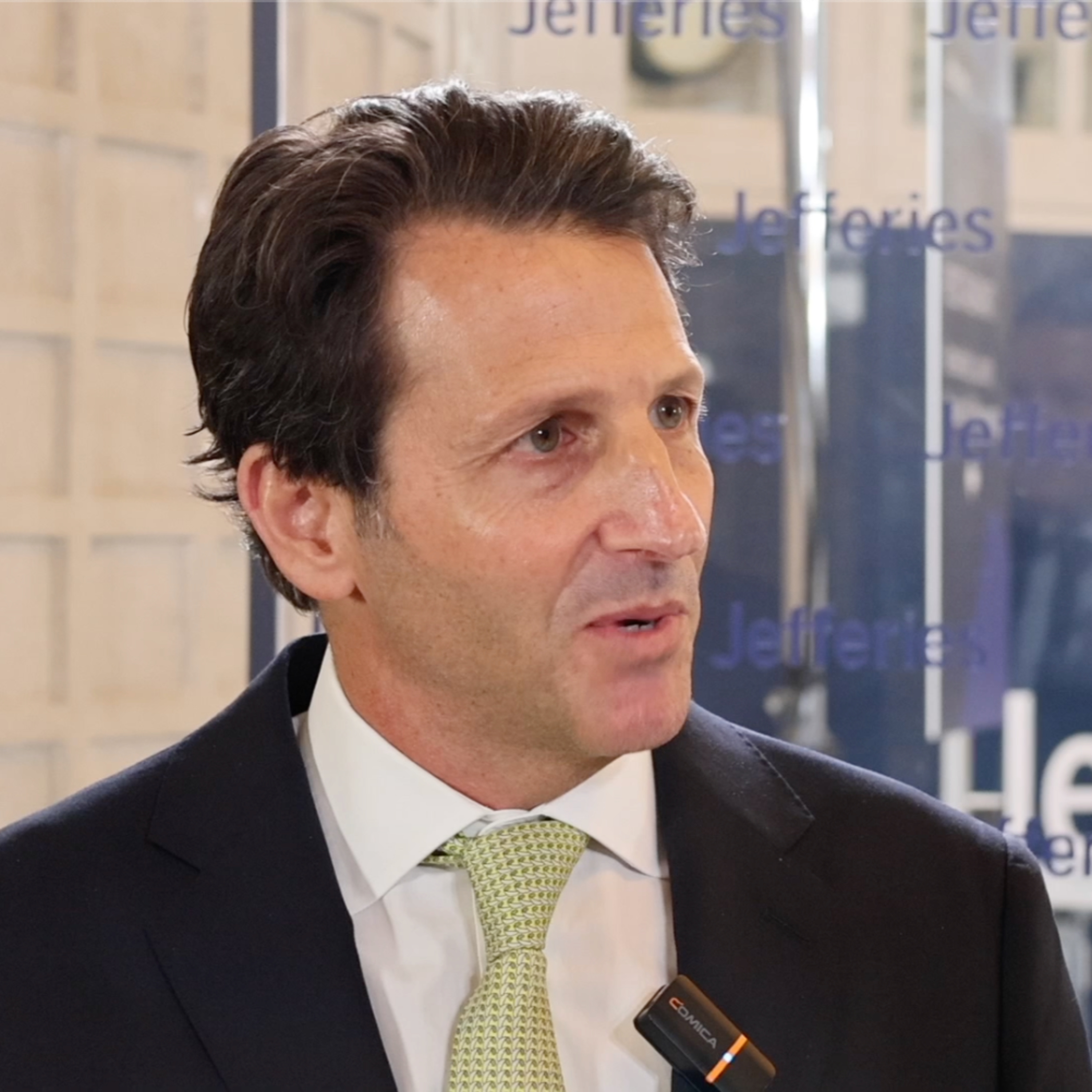
The Jefferies Global Healthcare Conference in London is particularly productive because its schedule precedes the US market open. This timing allows C-suite executives and investors to engage in focused, strategic conversations without the constant distraction of breaking news, press releases, and market fluctuations that occur during US trading hours.
Related Insights
Instead of aimlessly browsing sessions, align your conference agenda with your team's pre-defined strategic pillars for the upcoming year. By focusing on specific areas like AI agents, Slack integration, or data security, you can filter the overwhelming number of options and ensure your time directly contributes to future business objectives.

US biotechs increasingly use sites like Australia to accelerate development, as Create Medicines did by moving from concept to clinic in under 12 months. What was once viewed with suspicion is now a key strategy to generate data faster and more cheaply, competing with the speed of China's ecosystem.

The most valuable networking often happens spontaneously, outside the official schedule. By moving their next event to an all-in-one resort where everyone stays on-site, the team is intentionally engineering more opportunities for valuable, unplanned interactions at the pool, coffee shop, or lobby.

Resident structures its marketing team across time zones from California to Tel Aviv, creating a powerful operational advantage. As one team's day ends, they pass the "baton" to the next, allowing for continuous monitoring and optimization, especially during critical 24/7 sales periods.
A Boehringer Ingelheim executive noted a key differentiator of Korean biotechs: they enter initial partnership discussions with a well-defined strategy and understanding of their needs. This "readiness to partner" accelerates deal-making and demonstrates a higher level of business sophistication compared to many global counterparts.

Instead of presenting information that can be read in an email, a successful founder sent updates beforehand. This freed up meeting time for strategic discussions on product, capital, and hiring, which accelerated the company's growth.

The most important part of a specialized conference isn't the talks, which are typically recorded, but the 'hallway track'—the unstructured conversations with speakers and other expert attendees. Maximizing this value requires intentionality and a clear goal for engagement, as these serendipitous connections are the primary reason to attend in person.
![⚡ [AIE CODE Preview] Inside Google Labs: Building The Gemini Coding Agent — Jed Borovik, Jules thumbnail](https://assets.flightcast.com/V2Uploads/nvaja2542wefzb8rjg5f519m/01K4D8FB4MNA071BM5ZDSMH34N/square.jpg)
Large tech conferences often foster consensus views, leading VCs to chase the same deals. A better strategy is to attend smaller, niche events specific to an industry (e.g., legal tech). This provides an information advantage and helps develop a unique investment perspective away from the herd.

China is poised to become the next leader in biotechnology due to a combination of structural advantages. Their regulatory environment is moving faster, they have a deep talent pool, and they can conduct clinical trials at a greater speed and volume than the U.S., giving them a significant edge.

The next decade in biotech will prioritize speed and cost, areas where Chinese companies excel. They rapidly and cheaply advance molecules to early clinical trials, attracting major pharma companies to acquire assets that they historically would have sourced from US biotechs. This is reshaping the global competitive landscape.
