Get your free personalized podcast brief
We scan new podcasts and send you the top 5 insights daily.
The defeat of Viktor Orbán, a leader Trump supported, is significant. The winner is also from the populist right but advocates for a strong transatlantic alliance, opposing Russia and China. This suggests a growing schism where even Europe's nationalist movements are breaking from Trump's specific MAGA platform.

Related Insights
The various factions united under Trump lack a cohesive ideology. Their single common thread is opposition to progressivism. When that external threat recedes, their internal disagreements, such as on foreign interventionism, cause the coalition to fracture.

European leaders have a year's worth of evidence indicating that appeasing President Trump results in negative outcomes. Conversely, instances of standing firm—such as Spain denying base access or the collective response on Greenland—have shown that Trump's threats are often empty and defiance can be an effective strategy.

Orbán pioneered a method to turn a democracy into an autocracy not through violence, but through complex legal, economic, and media control. This model serves as an inspiration for nationalist movements globally, including the MAGA movement in the U.S., making Hungary a critical test case.

The true threat from Europe's far-right isn't their electoral success, but the "pollution" of mainstream center-right parties with their nationalist ideas. Mainstream leaders are adopting anti-EU integration stances and rowing back on collective policies, threatening European unity more effectively than fringe parties could alone.
The diverse factions that formed the Trump coalition were united by a common enemy: progressivism. With progressivism now perceived as a waning cultural force, the coalition's internal disagreements on key issues like foreign intervention are surfacing and causing it to fracture.

A new US national security document signals a radical foreign policy shift. It explicitly states the US will support "right wing, far right and populist right parties" in Europe that align with its anti-immigration stance, effectively interfering in the domestic politics of allied nations to promote a "MAGA like" Europe.
A key distinction exists within Trump's support. The core MAGA base follows his lead on issues like foreign policy, but the broader coalition, including recent, more isolationist converts, feels betrayed by actions that contradict his "America First" promises.

Contrary to typical political assumptions, Hungary's election was not decided by economic performance. Instead, voter sentiment shifted to concerns over the country's drift towards Russia and away from the European Union. The desire to maintain a European identity proved to be a more powerful motivator than 'pocketbook' issues.

Leaders like France's Jordan Bardella are strategically cautious about publicly embracing Donald Trump. Despite ideological similarities and support from Trump's camp, Trump's deep unpopularity in Europe makes any open association a political liability for populists seeking mainstream appeal.

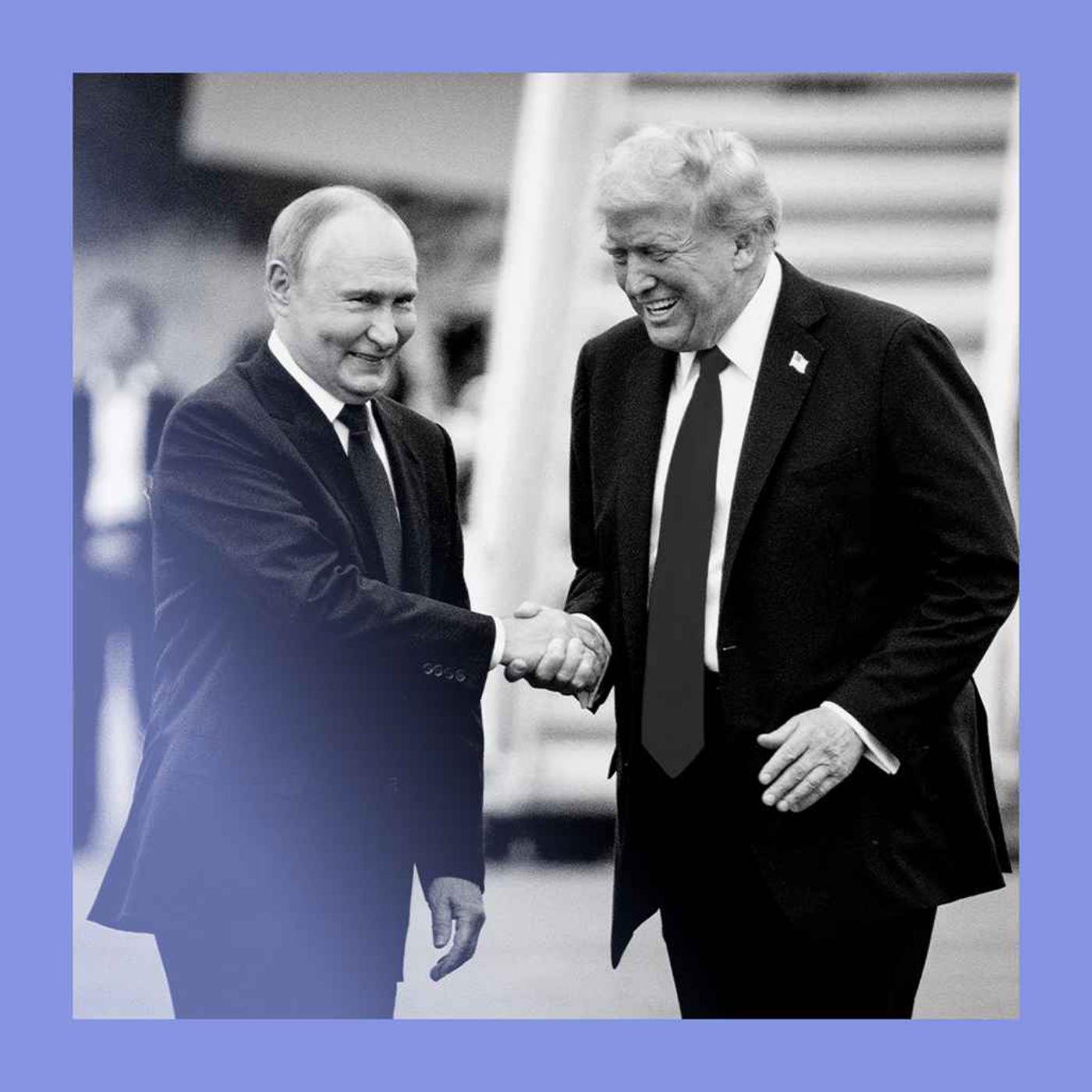
Trump is not an isolated phenomenon but a vessel for a broader, international right-wing movement. His talking points on immigration and 'special operations' mirror the language used by authoritarians like Viktor Orbán in Hungary and Vladimir Putin in Russia. This global playbook is tested in 'laboratories of autocracy' worldwide before being deployed in the U.S.
