Get your free personalized podcast brief
We scan new podcasts and send you the top 5 insights daily.
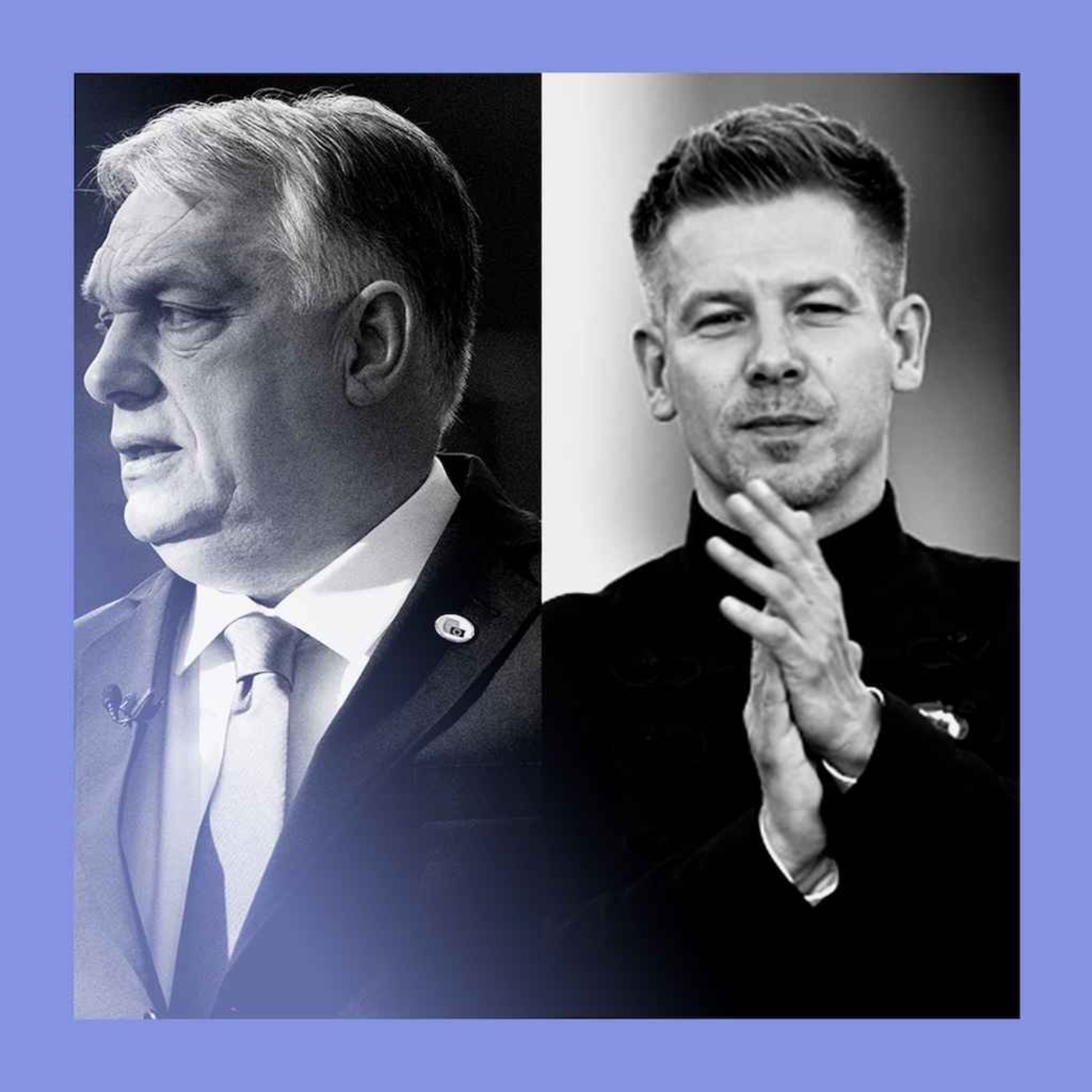
Orbán pioneered a method to turn a democracy into an autocracy not through violence, but through complex legal, economic, and media control. This model serves as an inspiration for nationalist movements globally, including the MAGA movement in the U.S., making Hungary a critical test case.
Related Insights
Kasparov argues the greatest danger isn't just high-level political cronies. The critical inflection point is when a "critical mass of the second and third tier of officers of the law and bureaucrats" become loyalists. This cements authoritarian control by taking over the permanent machinery of the state itself.

Hungarian citizens may tolerate systemic corruption when the economy is strong. However, EU financial sanctions have slowed Hungary's growth, causing economic pain that fuels public anger. This anger over corruption becomes a potent political weapon for the opposition, making Viktor Orbán's regime vulnerable.
Unlike historical fascism which co-opted business, today's authoritarianism is arguably a product of finance capitalism. The concentration of wealth creates oligarchs who merge with the state, trading democratic norms for deregulation and profit in a speculative, symbol-driven economy.

The U.S. political landscape is increasingly adopting authoritarian rhetoric and tendencies. However, this shift comes without any of the supposed upsides of authoritarianism, such as hyper-efficient infrastructure or public order. The result is a dysfunctional "authoritarianism without the good stuff."

Authoritarianism is best understood not by type, but by five dimensions that are both strengths and weaknesses: the repressive apparatus, cash flow, control over life chances, legitimacy narratives, and the international order. This framework allows for targeted policy action against a regime's specific vulnerabilities.

The goal of modern populist movements has shifted from winning elections to establishing permanent dominance. This is achieved by creating a mandate to prosecute and imprison political opponents, dismantling the norm of peaceful power transitions in favor of winner-take-all retribution.

Business leaders may see short-term benefits in aligning with an aspiring autocrat. However, this alliance is temporary. In Hungary, 15 years after Viktor Orbán took power, only 23% of the country's 50 wealthiest people remained on the list, as the regime moved to consolidate power by bankrupting or eliminating rivals.

Even if Iran's theocracy falls, a Western-style liberal democracy is unlikely. The leading opposition factions, particularly the royalists, are themselves illiberal and exhibit authoritarian tendencies. The most optimistic outcome may be a state resembling Hungary or a MAGA-led America, not a truly free society.
Trump is not an isolated phenomenon but a vessel for a broader, international right-wing movement. His talking points on immigration and 'special operations' mirror the language used by authoritarians like Viktor Orbán in Hungary and Vladimir Putin in Russia. This global playbook is tested in 'laboratories of autocracy' worldwide before being deployed in the U.S.

In Europe and Canada, concepts like DEI and multiculturalism are weaponized by an expanding bureaucratic class. They justify their power by punishing ordinary citizens who express a desire for national identity, using virtue signaling to mask authoritarian overreach.