Get your free personalized podcast brief
We scan new podcasts and send you the top 5 insights daily.
Instead of a traditional pitch deck, Sandstone secured its pre-seed by presenting a problem: they were too busy servicing early customers. They showed Sequoia recorded client videos and live demos to prove traction, which was far more compelling than a polished slide deck.

Related Insights
In a crowded space like voice AI, pitches sound generic. The founder of April found that investors who converted were those who used the product before the first meeting. The direct experience of a working product bypassed skepticism and made fundraising calls short and successful.

When facing a skeptical executive who has seen countless slide decks, differentiate your pitch by bringing it to life. A live 'focus group' of influential potential customers provides irrefutable social proof and demonstrates market demand in a way a PowerPoint never can.

Instead of just reading a deck, VCs gain a competitive edge by using a startup's developer tools to build a simple demo. This hands-on approach, which can take minutes with AI coding tools, deeply impresses founders and can secure an allocation in a competitive round.

At a legal tech conference, Legora's founder scrapped his slide deck for a spontaneous live demo. The high-risk move worked perfectly, electrifying an audience tired of talk. This single presentation generated 150 demo requests and kickstarted their entire sales pipeline.

In an attention-scarce world, a well-produced video trailer is more effective than a slide deck for communicating a startup's vision and capturing investor interest. A compelling trailer signals strong storytelling ability, taste, and a narrative that can attract talent and customers.

Social proof is the most critical element in a fundraise. Moritz Baier-Lentz revealed half of the $2B his portfolio raised this year was done without a pitch deck. Founders should focus on manufacturing credibility through key advisors and angels, as this is more effective than a perfect deck.

Instead of a traditional slide deck, the founder raised a $6M seed round using an 80-page transcript of C-suite interviews. This powerfully demonstrated deep market understanding and buyer desperation, de-risking the investment based on problem validation.

Instead of relying on a traditional slide deck, Michael Dubin pitched skeptical investors by showing them his unreleased launch video. The video's humor and clear brand story instantly demonstrated the business's potential and convinced them to invest, proving a creative asset can be more persuasive than spreadsheets.

Instead of creating traditional pitch decks he wasn't skilled at, Perplexity's CEO successfully raised funds from prominent investors like Yann LeCun by simply sending a link to the product. This highlights that a compelling, working product can be the most effective fundraising tool.

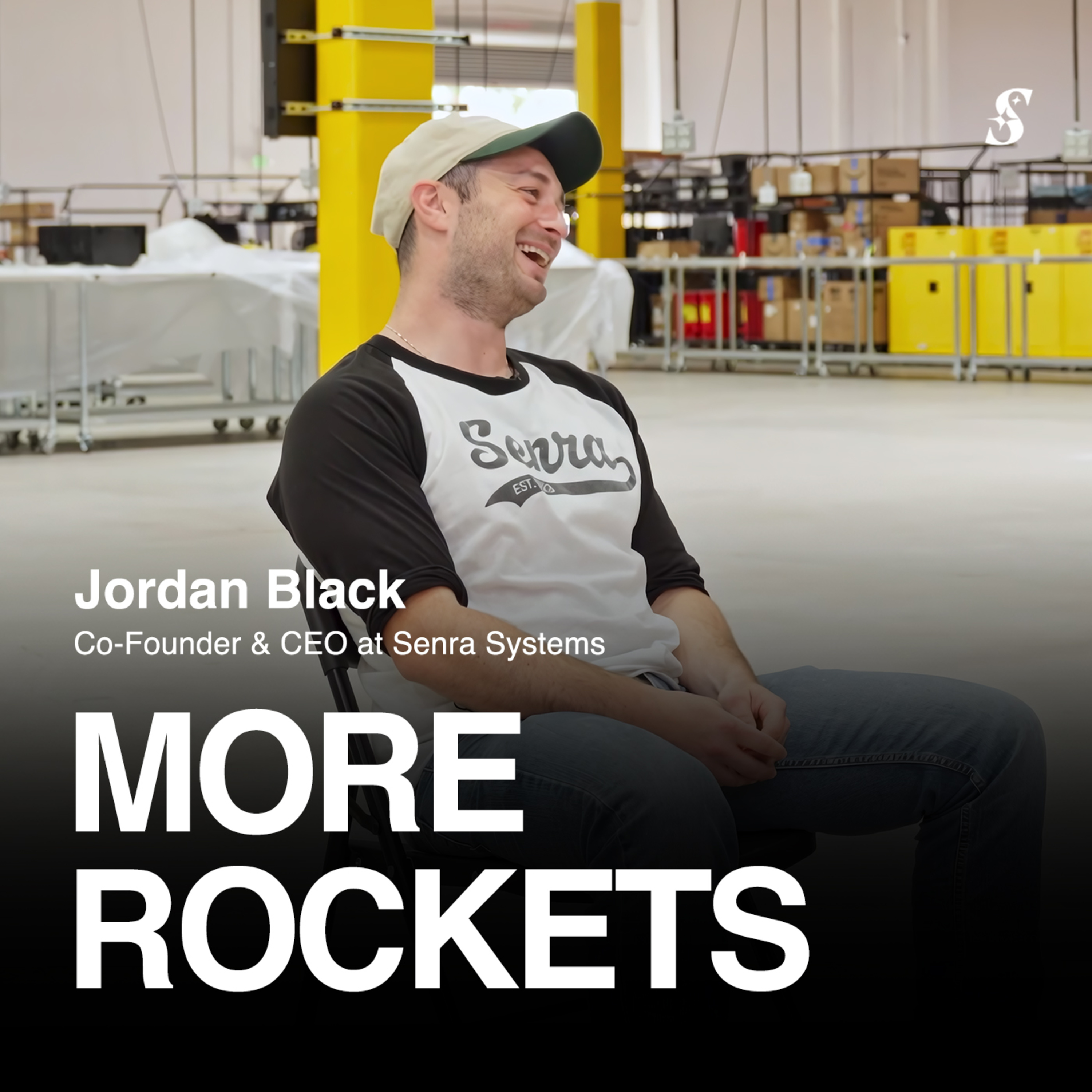
Senra Systems' founder secured early funding not by pitching slides, but by physically demonstrating the contrast between the old, manual process (a 600-page book) and the new, streamlined one (a single machine). This tangible approach makes the value proposition undeniable for investors unfamiliar with the industry's pain points.