Get your free personalized podcast brief
We scan new podcasts and send you the top 5 insights daily.
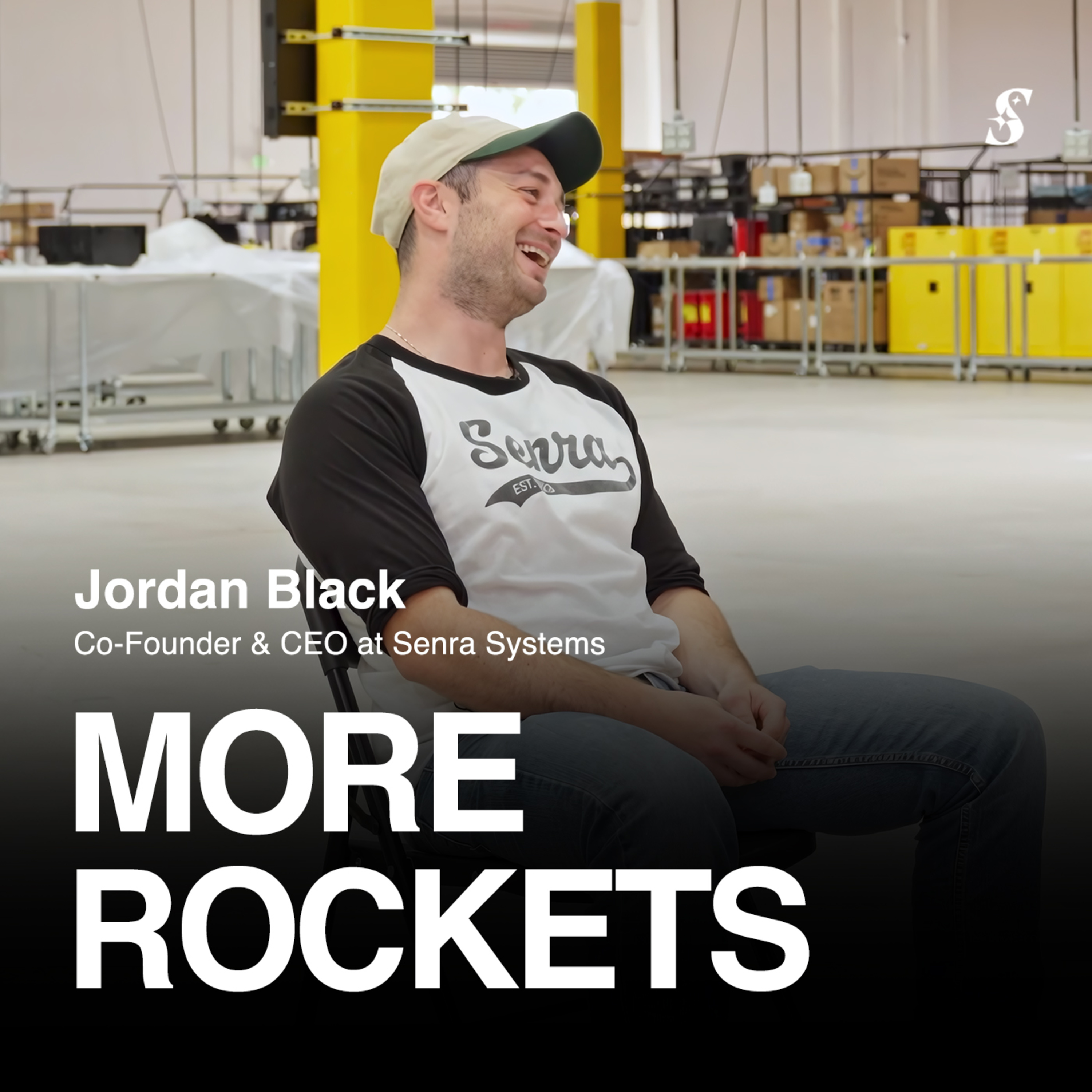
Senra Systems' founder secured early funding not by pitching slides, but by physically demonstrating the contrast between the old, manual process (a 600-page book) and the new, streamlined one (a single machine). This tangible approach makes the value proposition undeniable for investors unfamiliar with the industry's pain points.
Related Insights
To overcome a prospect's fear of risk, go beyond generic demos. Use their actual documents, data, and processes to show how your solution fits into their existing workflow. This makes the change feel less like a leap of faith and more like a natural evolution.

Don't wait for a prototype to get traction. Hardware founders should first engage potential customers and demonstrate a profound understanding of their specific problems. This expertise builds the necessary trust for customers to commit, even before a physical product is ready.

Founders often believe a good demo involves showcasing every feature and technical capability. However, the most effective demos are often counter-intuitive, focusing on a narrow slice of the product that directly solves the customer's stated problem, rather than a comprehensive tour.
Instead of pitching for a company's largest production contract, Senra's founder started by knocking on doors and asking for their 'worst harness.' This go-to-market strategy de-risks the engagement for the customer, proves the startup's capabilities on a painful problem, and builds trust for larger contracts later.
Instead of a traditional slide deck, the founder raised a $6M seed round using an 80-page transcript of C-suite interviews. This powerfully demonstrated deep market understanding and buyer desperation, de-risking the investment based on problem validation.

Move beyond slide decks to gauge a founder's true passion and product quality. By installing and using a product live during a pitch, investors can ask deep, contextual questions and observe the founder's unscripted responses, revealing a level of genuineness a presentation cannot.
When technology is so novel it seems like magic, verbal explanations are insufficient. Mothership Materials built trust and credibility by creating detailed visual renderings and end-to-end diagrams of their system. They then locked in early agreements with the world's biggest companies, who acted as powerful advocates with investors and partners.

Verkada sold its entire cloud platform not on a daily feature, but on the 'magic' of texting a live camera link. This simple action showcased the platform's modern capabilities in a way legacy systems couldn't, creating an unforgettable 'aha' moment that made the entire value proposition click for buyers.

For a semiconductor firm like Cerebras, providing a public-facing demo (e.g., via Codex Desktop) is a powerful IPO strategy. It makes the chip's abstract value—instant, high-quality AI inference—tangible and directly experienceable, moving beyond technical specs to showcase a remarkable end-user benefit that investors can understand.

Don't over-engineer early hardware prototypes. Instead, create a version that—even if technically fake—effectively demonstrates the core user experience. This storytelling approach is more compelling to early-stage investors than a perfectly functional but less engaging product.