Get your free personalized podcast brief
We scan new podcasts and send you the top 5 insights daily.
Historically, military campaigns were timed to avoid disrupting spring planting and fall harvests, which were vital for food supply and manpower. The timing of the hypothetical U.S.-Iran war during planting season highlights a modern detachment from these fundamental agricultural cycles.

Related Insights
Iran's influence over oil-rich Gulf states like Saudi Arabia and the UAE is deeply rooted in food production. These nations cannot produce their own food and depend on Iran, the region's "breadbasket," creating a complex relationship of political hostility combined with essential trade dependency.

A regional conflict like the one in Iran has immediate global consequences for military readiness. The massive expenditure of interceptor missiles will create a supply crunch for US forces in other strategic areas like the Pacific and for allies like Ukraine, as production cannot keep up with wartime demand.
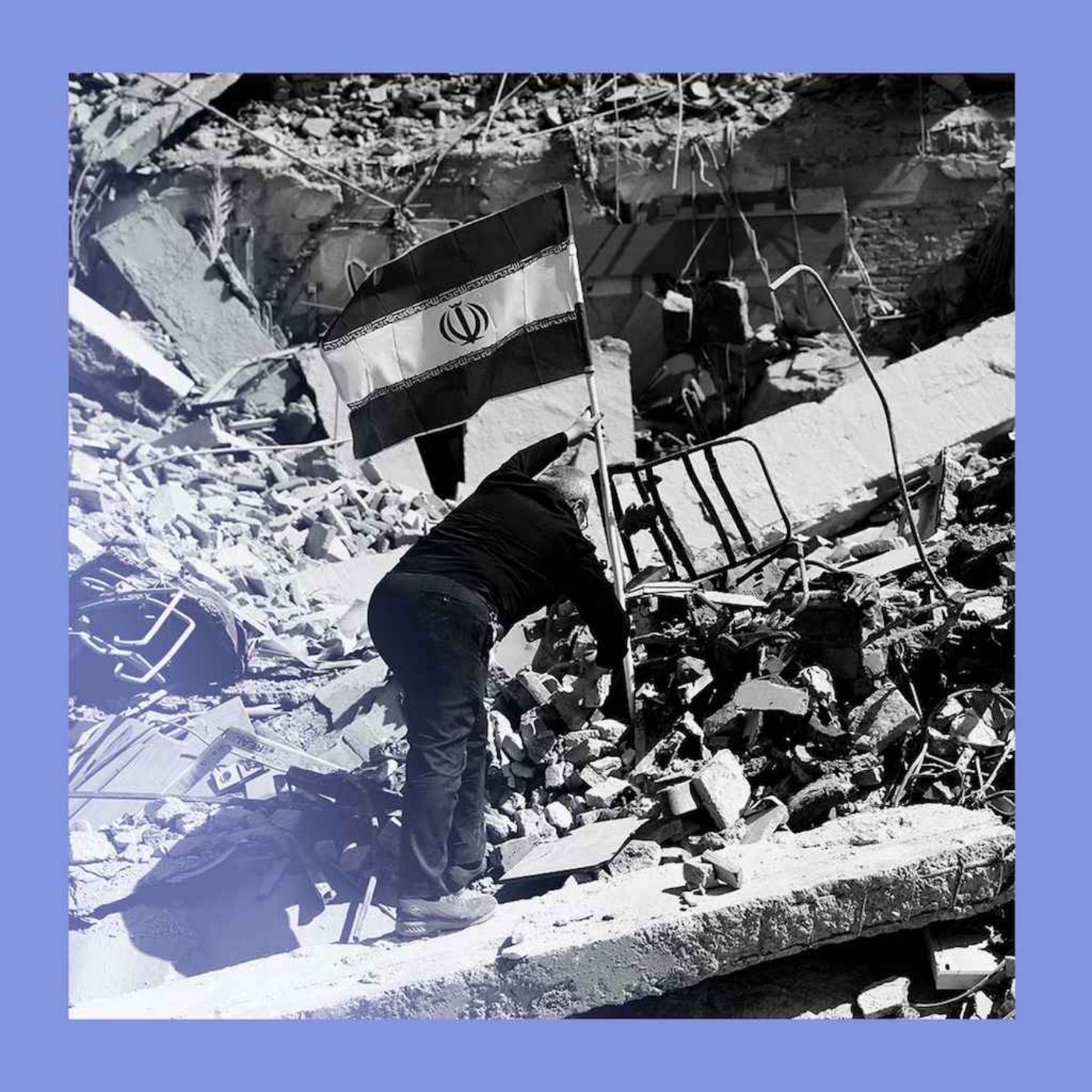
China's foreign policy is shaped by its 5,000-year history as a land-based, agricultural civilization, rather than a maritime or expansionist one. This cultural foundation, valuing cultivation of one's own land over foreign conquest, is presented as the reason China has not started wars or colonized other nations in modern history.
In response to the Russian invasion, Ukrainian farmers pivoted from complex, expensive crops like corn and sunflowers to basics like wheat and barley. This strategy minimizes financial risk and labor needs amidst human capital shortages and infrastructure damage.
The conflict's new phase focuses on inflicting economic pain. Both sides are attacking vital, non-military infrastructure like oil fields, fuel depots, and water desalination plants to test which economy can withstand more damage.

Geopolitical flare-ups are not random events but the result of decades of policy decisions. They often coincide with the tail end of global economic expansion, serving as a critical macro indicator that a cycle is turning.

Unlike oil's strategic reserves, urea is produced and shipped immediately to avoid storage costs and price risk. This "just-in-time" model means there's no buffer to absorb supply shocks from events like the war in Iran, making the global agricultural system exceptionally vulnerable to disruption.
The invention of conventional fertilizer is credited with sustaining half the world's population, making it arguably the most critical invention for human life. Simultaneously, its chemical components are used in weapons, creating a profound and unsettling duality at the heart of modern agriculture and conflict.
Contrary to expectations of a high-tech war, the conflict in Ukraine demonstrates enduring principles of warfare. The superiority of defense over offense, the difficulty of breakthroughs without air power, and the tendency toward attrition are all classic lessons that would be recognizable to strategists from past major conflicts.

Manco's rebellion was powered by a massive but temporary army of farmers. The prolonged nature of the siege created a logistical crisis. As the planting and harvesting season approached, his soldiers began drifting away to tend their fields, fatally undermining the military campaign.
