Get your free personalized podcast brief
We scan new podcasts and send you the top 5 insights daily.
Passive rest like binging Netflix doesn't fully restore energy after work. Real recovery comes from "mastery experiences"—challenging activities like learning an instrument or taking on a side gig. These hobbies stretch your skills in new ways, meaning recovery requires accelerating in a different direction, not just stopping.

Related Insights
Burnout isn't a single condition. Emotional exhaustion needs a break (vacation). A lack of self-efficacy requires skill development (upskilling). Cynicism, the hardest to fix, demands rediscovering your 'why' (inspiration). Misdiagnosing the cause leads to ineffective solutions.
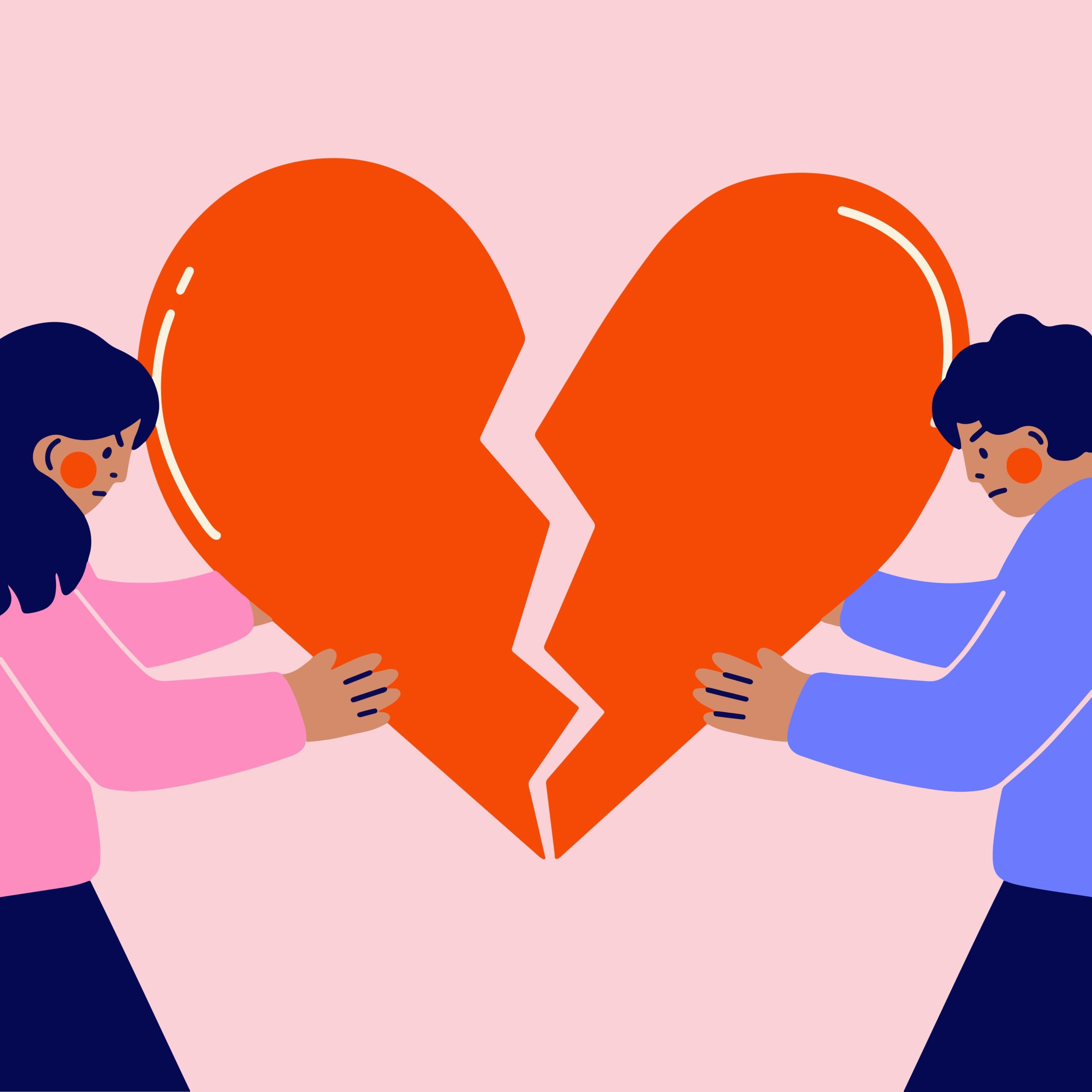
High-achievers fear sabbaticals will cause them to lose career momentum. In reality, a true break does more than recharge you—it installs a brand-new 'battery.' This leads to a profound reset, sparking greater creativity and more impactful work upon return.

Counterintuitively, the brain's most relaxed state is not during passive rest but during intense focus on a single activity. Engaging in challenging hobbies that require full concentration is a more effective way to decompress and manage stress than traditional relaxation.
The speaker took a three-month break from burnout, not just to rest, but to engage in new experiences. This period of "me time" unexpectedly resulted in writing two books and creating new training programs, demonstrating that stepping away can be a powerful catalyst for creativity and productivity.

To combat mental exhaustion from work, passive relaxation like watching TV is insufficient and leads to waking up tired. You need active recharging—activities like exercise, creative pursuits, or socializing—to refill your energy. Our brains confuse mental and physical fatigue, but only active engagement recharges the mind.
For two weeks, nightly log the five activities that energized you and the five that drained you. This simple practice reveals your core strengths and "gifts." By analyzing these patterns, you can intentionally redesign your role and responsibilities to spend more time on energizing tasks, actively combating burnout.

Type-A individuals tend to turn recreational hobbies into performance-based tasks, creating more stress. Choosing activities with subjective outcomes, like dance or yoga, instead of win/lose games helps focus on the experience rather than mastery.

Burnout stems not from long hours, but from a feeling of stagnation and lack of progress. The most effective way to prevent it is to ensure employees feel like they are 'winning.' This involves putting them in the right roles and creating an environment where they can consistently achieve tangible successes, which fuels motivation far more than work-life balance policies alone.

The feeling of burnout is often a state of paralysis. To combat it, take any small, concrete action—even if it's not the "right" one. This act of "doing something" shifts your mindset from being a passive recipient of circumstances to an active agent of change, creating momentum.

Burnout is often misdiagnosed as a symptom of overwork. The Working Genius model suggests it's actually caused by spending too much time on tasks that fall outside your natural areas of genius and in your areas of frustration. Work that aligns with your genius can be energizing, even after long hours.