Get your free personalized podcast brief
We scan new podcasts and send you the top 5 insights daily.
Being in the right retailer at the wrong aisle can doom a product's velocities. When Walmart initially placed NeuroGum in the bulk candy aisle, expected candy sales velocities did not match a functional gum. Instead of waiting to be dropped, the founders proactively pulled the product and re-entered two years later in the pharmacy and checkout lanes where velocities matched expectations.

Related Insights
Whole Foods didn't know where to place KIND bars because they didn't fit the traditional "nutritional bar" category. This "problem" became a huge opportunity when stores placed KIND in high-visibility displays at checkout counters, driving massive impulse buys away from competitors.

Landing placement with a major retail buyer is where commercial execution begins, not where success is secured. Spanx founder Sara Blakely paid friends to buy her inventory directly off store shelves to manufacture early sales velocity. Without driving prompt turnover, buyers lose confidence and drop products before organic consumer traction can form.
Getting into retailers like Target or Walmart feels like validation, but it can bankrupt startups. The high costs, stocking fees, and immense pressure for sell-through often drain resources and lead to failure.
A core financial mistake for Late July was assuming their crackers would have the same purchase frequency (velocity) as potato chips. This miscalculation threw off their entire business model, proving that velocity is a make-or-break metric for any CPG brand.
Securing a deal with a giant like Walmart can be a trap. If the product doesn't sell through immediately, the brand is forced into massive, unplanned promotional spending to stay on shelves. This depletes cash and starts a downward spiral that many CPG startups don't survive.

No launch plan survives contact with the market. The companies and brands that succeed are not those with a flawless initial strategy, but those that can quickly identify what isn't working and rapidly pivot their plans to address real-world market feedback and challenges.

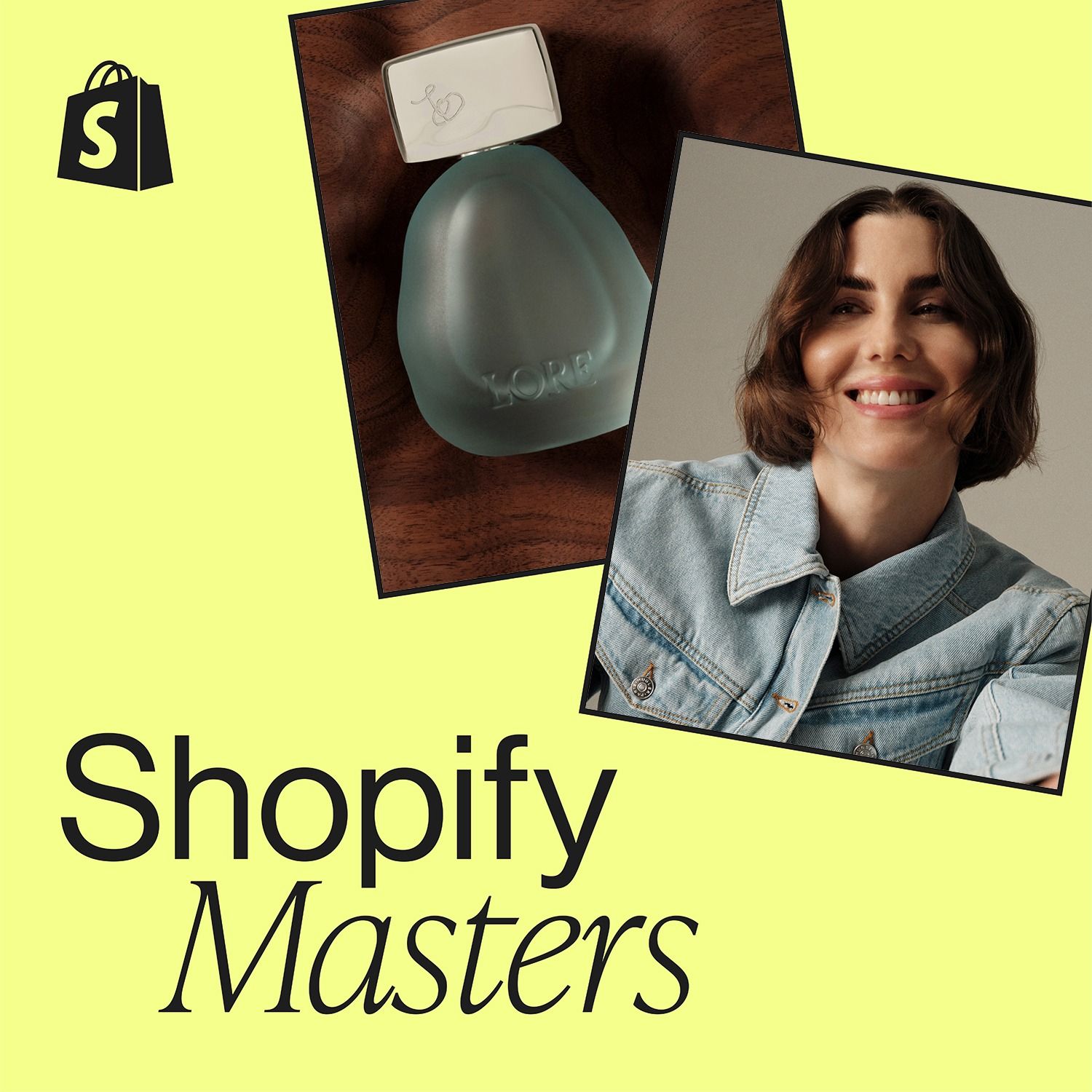
Lore's founder advises that securing retail placement is not the goal; performing well within it is. Starting with a smaller, more strategic door count allows a new brand to prove its model and build momentum before a wider, more expensive rollout.
The squeeze pack, designed for athletes, failed in the energy bar aisle. It succeeded only when moved next to the jars, where consumers saw it as a trial-size version for the core product or a portion-control tool, ultimately driving sales for the larger jars.
Securing a massive order from a retailer like Walmart can destroy a young company. Daniel Lubetzky's early failure there was because he lacked the systems and salespeople to ensure the product was actually selling through, not just sitting in a distribution center.
Instead of a traditional big-bang retail launch, Magic Mind first sold direct-to-consumer (D2C). This allowed for 150+ product iterations based on direct customer feedback, ensuring product-market fit *before* scaling into high-stakes retail channels, a strategy borrowed from software development.