Get your free personalized podcast brief
We scan new podcasts and send you the top 5 insights daily.
To achieve exceptional results, you must believe something and take action that the consensus thinks is wrong. This requires a non-consensual, often stubborn conviction. This path is high-risk because it means you are either a visionary who is early or you are simply an idiot.

Related Insights
Venture capitalists thrive by adopting one of two distinct personas: the "in the flow" consensus-driver focused on speed and connections, or the "out of the flow" contrarian focused on deep, isolated work. Attempting to straddle both paths leads to failure.

The most successful venture investors share two key traits: they originate investments from a first-principles or contrarian standpoint, and they possess the conviction to concentrate significant capital into their winning portfolio companies as they emerge.

The best business opportunities often appear foolish to the majority at first. If an idea sounds good to everyone, it's likely a competitive space. Starting a print magazine in 2024 sounds dumb, but the underlying desire for high-quality, scarce content makes it a powerful, contrarian bet.
![Patrick O’Shaughnessy - Creating on Principle - [Invest Like the Best, EP.455] thumbnail](https://megaphone.imgix.net/podcasts/816fce6a-f5b6-11f0-9c9c-33831009577b/image/1f5ec11a816e37bc484e46cbf9b3421d.jpg?ixlib=rails-4.3.1&max-w=3000&max-h=3000&fit=crop&auto=format,compress)
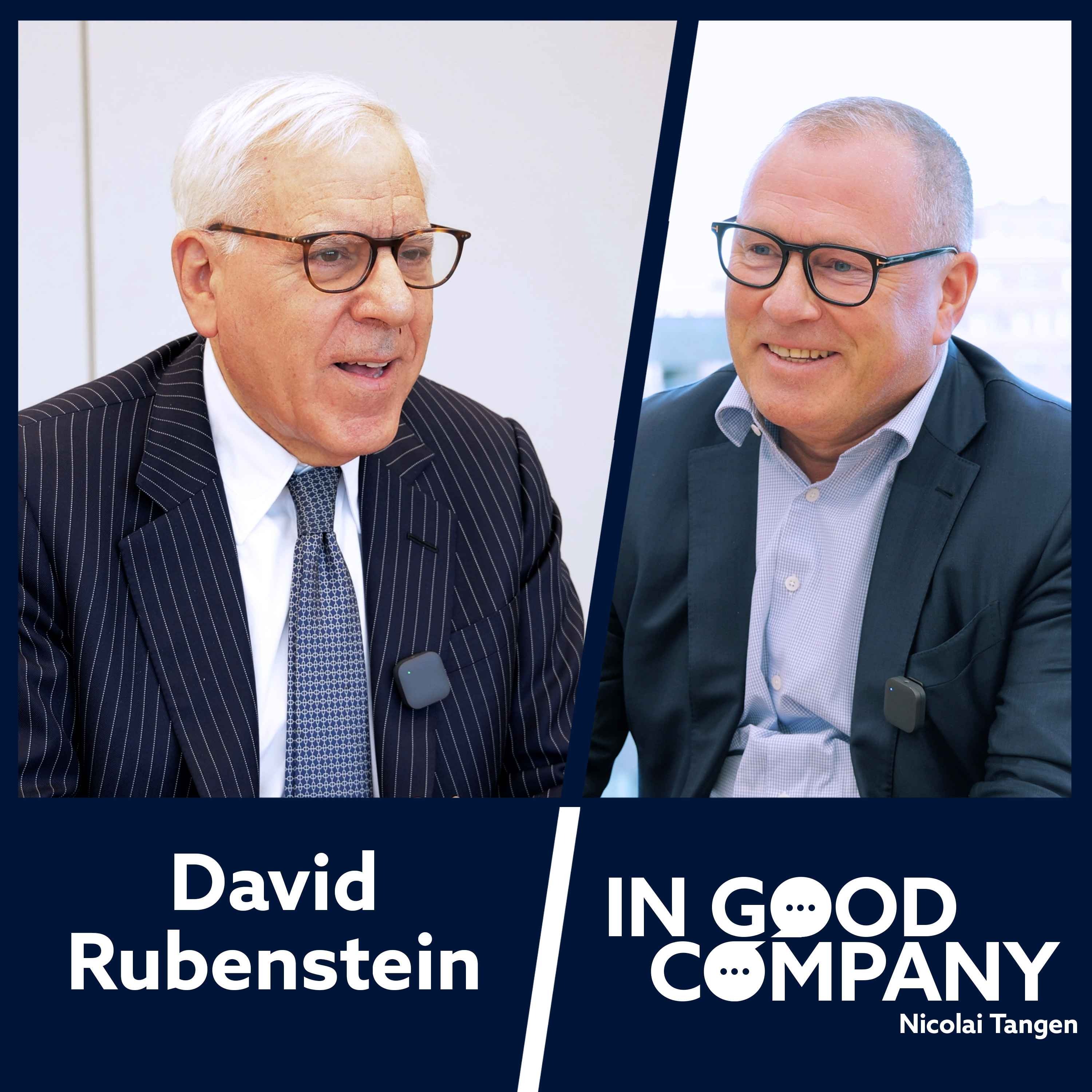
To achieve above-average investment returns, one cannot simply follow the crowd. True alpha comes from contrarian thinking—making investments that conventional wisdom deems wrong. Rubenstein notes the primary barrier is psychological: overcoming the innate human desire to be liked and the fear of being told you're 'stupid' by your peers.
The maxim "buy low, sell high" is psychologically hard because it forces you to act against the crowd's emotional consensus. It's like flying by instruments when everyone else is calm and looking out the window. This act of trusting abstract data over social proof feels deeply unnatural for humans.

Great investment ideas are often idiosyncratic and contrary to conventional wisdom. A committee structure, which inherently seeks consensus and avoids career risk, is structurally incapable of approving such unconventional bets. To achieve superior results, talented investors must be freed from bureaucratic constraints that favor conformity.

In 2008, Howard Marks invested billions with conviction while markets crashed, yet he wasn't certain of the outcome. He held the paradox of needing to act decisively against the crowd while simultaneously accepting the real possibility of being wrong. This mental balance is crucial for high-stakes decisions.

The difficulty in going against conventional wisdom isn't just intellectual. According to David Rubenstein, it's rooted in the human desire to be liked and respected. People avoid contrarian bets because they don't want to be told they're "stupid" by their peers, making the psychological and social cost very high.

Pursuing a genuinely non-obvious idea feels risky, not just uncertain. This feeling of danger—the fear of wasting years on a potential failure—is often a signal that you're working on something truly contrarian and valuable, as it deters others.

The pursuit of consensus is a dangerous trap for leaders aiming for standout success. Achieving breakthroughs requires the strength to proceed based on intellectual conviction, even amidst friction and criticism. This means accepting that you cannot please everyone and that some will inevitably disagree with your path.
![Luca Ferrari - Building Bending Spoons - [Invest Like the Best, EP.446] thumbnail](https://megaphone.imgix.net/podcasts/b29cbd80-b93a-11f0-a1b7-2b977c9469a2/image/39f7864ea628f71a81b94662bd4a86df.jpg?ixlib=rails-4.3.1&max-w=3000&max-h=3000&fit=crop&auto=format,compress)