Get your free personalized podcast brief
We scan new podcasts and send you the top 5 insights daily.
Great investment ideas are often idiosyncratic and contrary to conventional wisdom. A committee structure, which inherently seeks consensus and avoids career risk, is structurally incapable of approving such unconventional bets. To achieve superior results, talented investors must be freed from bureaucratic constraints that favor conformity.

Related Insights
To achieve above-average investment returns, one cannot simply follow the crowd. True alpha comes from contrarian thinking—making investments that conventional wisdom deems wrong. Rubenstein notes the primary barrier is psychological: overcoming the innate human desire to be liked and the fear of being told you're 'stupid' by your peers.
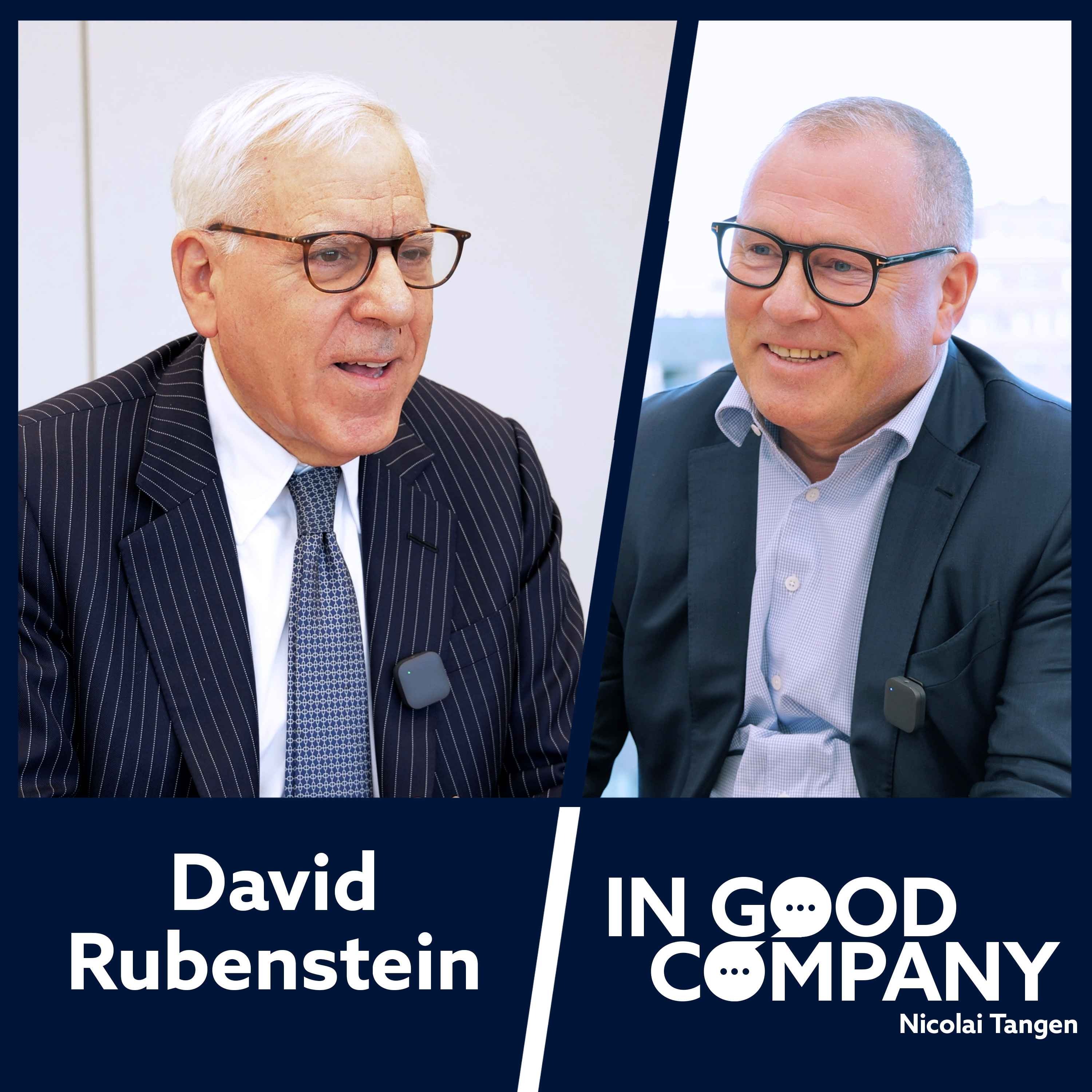
Professional fund managers are often constrained by the need to hug their benchmark index to avoid short-term underperformance and retain clients. Individuals, free from this 'career risk,' can make truly long-term, contrarian bets, which is a significant structural advantage for outperformance.

Unlike committees, where partners might "sell" each other on a deal, a single decision-maker model tests true conviction. If a General Partner proceeds with an investment despite negative feedback from the partnership, it demonstrates their unwavering belief, leading to more intellectually honest decisions.

Large, contrarian investments feel like career risk to partners in a traditional VC firm, leading to bureaucracy and diluted conviction. Founder-led firms with small, centralized decision-making teams can operate with more decisiveness, enabling them to make the bold, potentially firm-defining bets that consensus-driven partnerships would avoid.

Superior returns can come from a firm's structure, not just its stock picks. By designing incentive systems and processes that eliminate 'alpha drags'—like short-term pressures, misaligned compensation, and herd behavior—a firm can create a durable, structural competitive advantage that boosts performance.

A16z's growth fund avoids traditional investment committees, which can lead to politicization and slow decisions. Instead, it uses a venture-style "single trigger" model where one partner can champion a deal, encouraging intellectual honesty and speed.
![David George - Building a16z Growth, Investing Across the AI Stack, and Why Markets Misprice Growth - [Invest Like the Best, EP.450] thumbnail](https://megaphone.imgix.net/podcasts/8da7dbd8-ceeb-11f0-941c-ef83bcdd4c9f/image/d44107bc94719f78fbe91befb141073e.jpg?ixlib=rails-4.3.1&max-w=3000&max-h=3000&fit=crop&auto=format,compress)
Bessemer's investment process favors individual partner conviction over group consensus. A partner can "pound the table" for a deal (the "gold nugget") without the risk of another partner vetoing it (the "blackball" model). This fosters ownership and bold bets, with performance as the ultimate accountability.

The romanticized idea of a dramatic "investment committee" meeting is a myth. The most effective investment process is collaborative and iterative, where an idea is pitched early and gains momentum across the firm over time. The formal meeting becomes a rubber stamp for a decision that has already been organically reached.

Unlike operating companies that seek consistency, VC firms hunt for outliers. This requires a 'stewardship' model that empowers outlier talent with autonomy. A traditional, top-down CEO model that enforces uniformity would stifle the very contrarian thinking necessary for venture success. The job is to enable, not manage.

Sequoia's internal data shows consensus is irrelevant to investment success. A deal with strong advocates (voting '9') and strong detractors (voting '1') is preferable to one where everyone is mildly positive (a '6'). The presence of passionate conviction, even amid dissent, is the critical signal for pursuing outlier returns.