Get your free personalized podcast brief
We scan new podcasts and send you the top 5 insights daily.
A designer's personal project with AI tool Cursor during paternity leave led to a powerful realization. He immediately evangelized the need for upskilling to Pendo's leadership, catalyzing a formal AI adoption program. Personal "aha" moments, even when off-duty, can be potent drivers of organizational change.
Related Insights
To drive AI adoption, CMO Laura Kneebush avoids appointing a single expert and instead makes experimentation "everybody's job." She encourages her team to start by simply playing with AI for personal productivity and hobbies, lowering the barrier to entry and fostering organic learning.

To accelerate company-wide skill development, Shopify's CEO mandated that learning and utilizing AI become a formal component of employee performance evaluations. This top-down directive ensured rapid, broad adoption and transformed the company's culture to be 'AI forward,' giving them a competitive edge.

Amplitude's CEO transformed his organization not by issuing a product roadmap, but by first focusing on internal education. An "AI week" and hackathons got the engineering team using AI tools like Cursor, building belief and capability before they were tasked with creating new AI features.
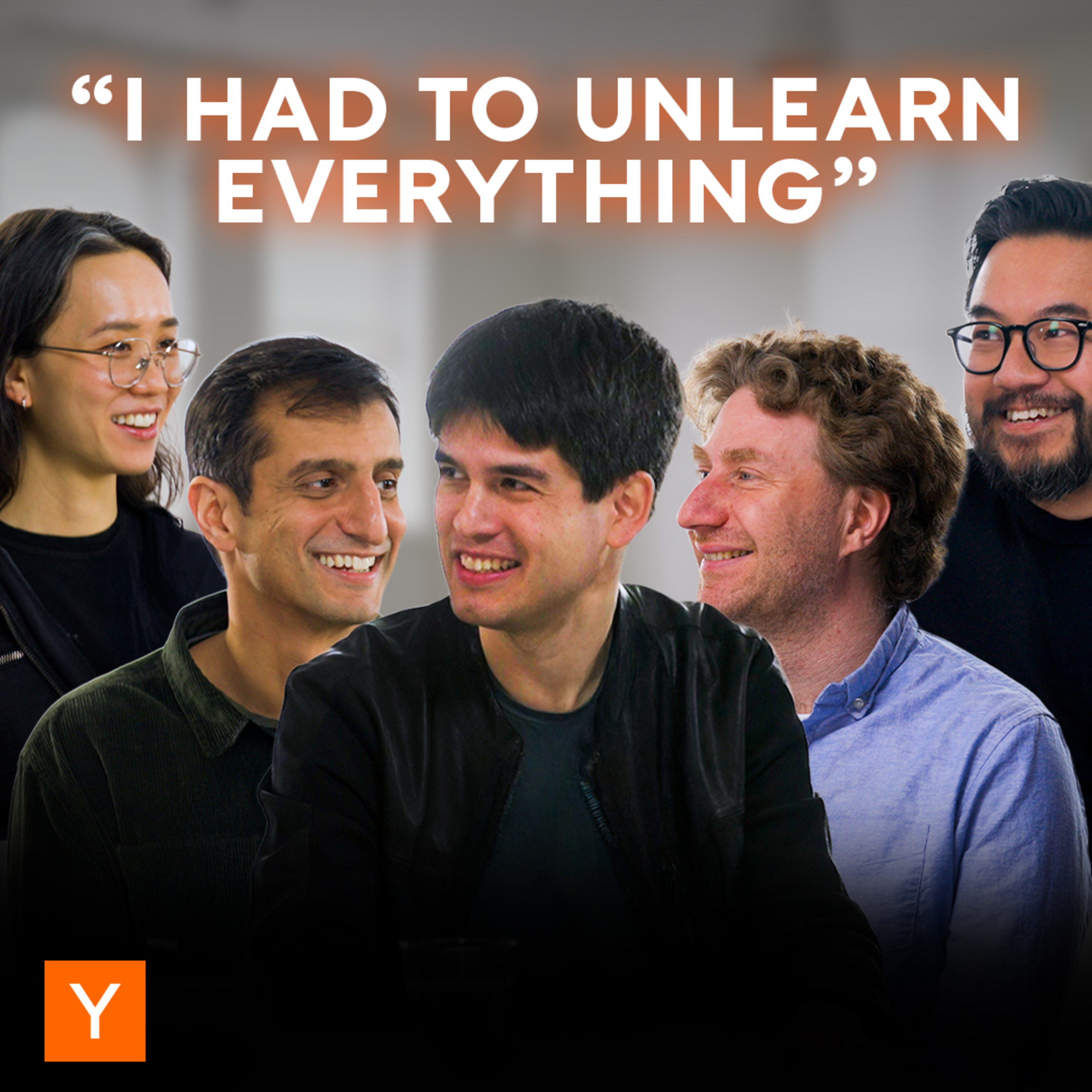
Webflow drove weekly Cursor adoption from 0% to 30% in its design team after one 'builder day' where every participant was required to demo a project. This combination of hands-on practice, peer support from champions, and clear expectations creates rapid, tangible adoption of new AI tools.
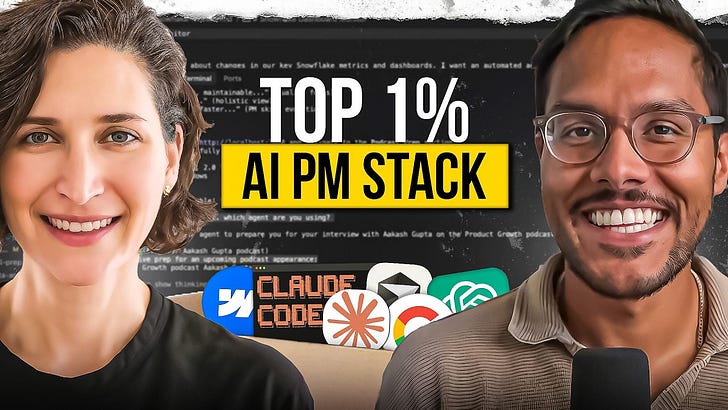
The GM of Spiral felt demotivated and his product stagnated because he didn't personally use it or believe in its vision. The breakthrough came when he pivoted to solve a problem he genuinely cared about—making AI a tool for better thinking, not just faster content production.

The key to driving AI adoption at Block was leadership by example. CEO Jack Dorsey and CTO Danji Prasana use their internal AI tool, Goose, daily. They argue this hands-on approach provides more insight into organizational workflow changes than any top-down mandate or analysis of industry reports.

To transform a product organization, first provide universal access to AI tools. Second, support teams with training and 'builder days' led by internal champions. Finally, embed AI proficiency into career ladders to create lasting incentives and institutionalize the change.
A successful AI transformation isn't just about providing tools. It requires a dual approach: senior leadership must clearly communicate that AI adoption is a strategic priority, while simultaneously empowering individual employees with the tools and autonomy to innovate and transform their own workflows.

Successful AI integration is a leadership priority, not a tech project. Leaders must "walk the talk" by personally using AI as a thought partner for their highest-value work, like reviewing financial statements or defining strategy. This hands-on approach is necessary to cast the vision and lead the cultural change required.

The most successful companies are those that fundamentally re-architect their culture and workflows around AI. This goes beyond implementing tools; it involves a top-down mandate to prepare the entire organization for future, more powerful AI, as exemplified by AppLovin's aggressive adoption strategy.