Get your free personalized podcast brief
We scan new podcasts and send you the top 5 insights daily.
Amplitude's CEO transformed his organization not by issuing a product roadmap, but by first focusing on internal education. An "AI week" and hackathons got the engineering team using AI tools like Cursor, building belief and capability before they were tasked with creating new AI features.
Related Insights
Instead of hiring a 'Chief AI Officer' or an agency, the most successful GTM AI deployments empower existing top performers. Pair your best SDR, marketer, or RevOps person with AI tools, and let them learn and innovate together. This internal expertise is more valuable than any external consultant.
To truly integrate AI, go beyond simply telling your team to "learn more." The founder of Search Atlas advocates for organizing multi-day, in-person hackathons. This focused, collaborative environment, where teams tackle specific problems together, fosters a deeper and faster mastery of practical AI applications than solo, online efforts can achieve.

To drive AI adoption, CMO Laura Kneebush avoids appointing a single expert and instead makes experimentation "everybody's job." She encourages her team to start by simply playing with AI for personal productivity and hobbies, lowering the barrier to entry and fostering organic learning.

Simply instructing engineers to "build AI" is ineffective. Leaders must develop hands-on proficiency with no-code tools to understand AI's capabilities and limitations. This direct experience provides the necessary context to guide technical teams, make bolder decisions, and avoid being misled.
When employees are 'too busy' to learn AI, don't just schedule more training. Instead, identify their most time-consuming task and build a specific AI tool (like a custom GPT) to solve it. This proves AI's value by giving them back time, creating the bandwidth and motivation needed for deeper learning.
Instead of attempting a massive AI transformation, marketers should start with achievable use cases. This approach proves value to stakeholders, builds internal knowledge ('organizational muscle'), and prepares the team for more complex, agent-based channels. The winners of tomorrow are developing these practices today.

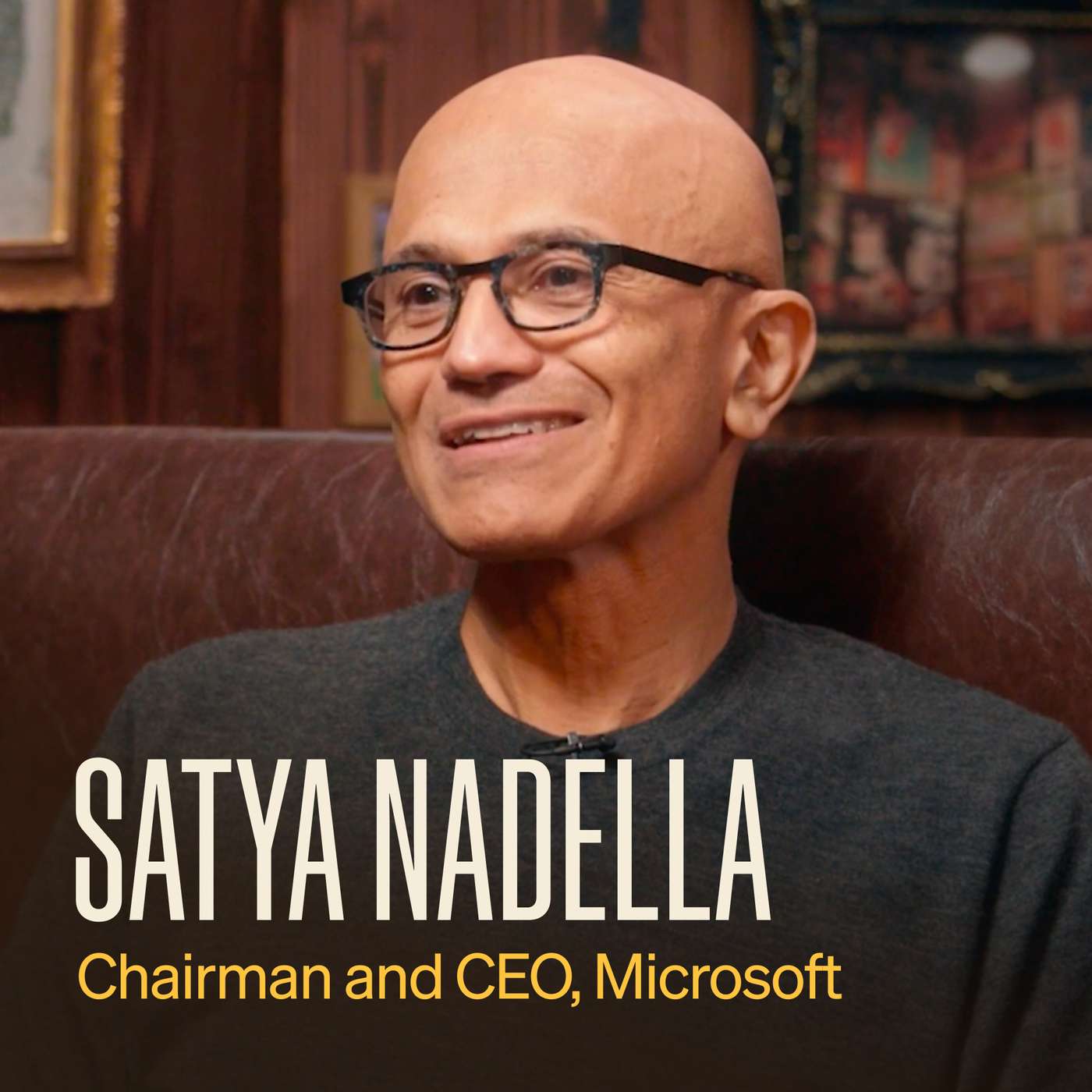
The true enterprise value of AI lies not in consuming third-party models, but in building internal capabilities to diffuse intelligence throughout the organization. This means creating proprietary "AI factories" rather than just using external tools and admiring others' success.
To accelerate company-wide skill development, Shopify's CEO mandated that learning and utilizing AI become a formal component of employee performance evaluations. This top-down directive ensured rapid, broad adoption and transformed the company's culture to be 'AI forward,' giving them a competitive edge.

Amplitude's CEO notes that unlike previous tech waves, AI adoption was pushed by executives, not engineers. Engineers were initially skeptical, viewing the hype as "grifting," which created internal friction and required a deliberate internal education campaign to overcome.
To transform a product organization, first provide universal access to AI tools. Second, support teams with training and 'builder days' led by internal champions. Finally, embed AI proficiency into career ladders to create lasting incentives and institutionalize the change.