Get your free personalized podcast brief
We scan new podcasts and send you the top 5 insights daily.
An AI agent can monitor local auction sites for restaurant closures, automatically calculate the arbitrage spread on equipment by comparing prices to market comps, and broker deals between the seller and new restaurants for a fee, creating a zero-inventory business.

Related Insights
A new class of entrepreneurs is emerging by exploiting the price difference for goods between local estate sales and global online marketplaces. They identify undervalued items in a low-information, local setting and resell them for a profit online, creating a full-time income from this arbitrage opportunity.

Commodity trading is an ideal but underutilized area for AI. The field is rich with unstructured micro-data—from individual warehouse invoices to real-time shipping costs—that is difficult for humans to process. AI can synthesize this information to uncover complex patterns and arbitrage opportunities.

A practical, immediate use case for AI agents is automating routine tasks with financial implications. An agent tasked with ordering a daily lunch, for example, can automatically detect and flag a small price increase that a human would likely overlook, providing a subtle but consistent ROI.

A simple framework for generating AI agent business ideas involves three steps: identify a messy, public data source (like auction sites or job boards), find a mispriced or neglected asset within it (like equipment or a domain), and connect it to a clear buyer.
Supreme Ecom's founder created an AI agent that runs constantly on his laptop. It autonomously manages ads, replies to customer emails, and communicates with him via text for approvals, effectively acting as a full-time business operator even when he is unavailable.

Middlemen like retailers exist because of information asymmetry. Personal AI agents, with deep knowledge of individual needs, will aggregate demand and purchase goods directly from producers like farmers and manufacturers. This will eliminate the need for advertisers and retailers and enable hyper-efficient supply chains.

A significant portion of B2B contracts will soon be negotiated and executed by autonomous AI agents. This shift will create an entirely new class of disputes when agents err, necessitating automated, potentially on-chain, systems to resolve conflicts efficiently without human intervention.

Beyond simple automation, a significant opportunity for AI agents is navigating complex, time-consuming bureaucratic processes. An agent could handle tasks like applying for the necessary permits to open a coffee shop or bar, an area of business operations that remains largely untouched by automation.
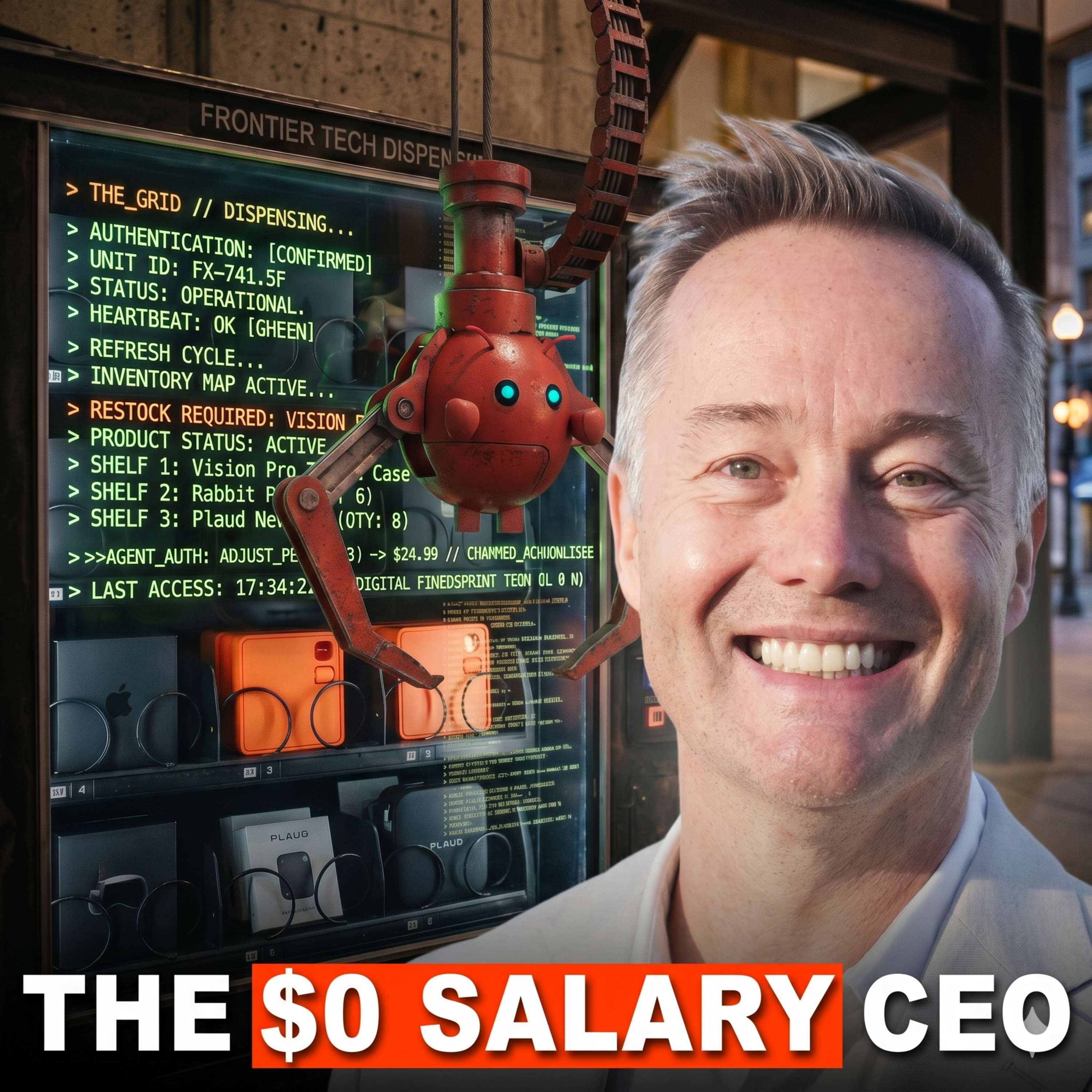
By connecting to APIs for platforms like Shopify, AI agents like Clawdbot can automate complex, manual workflows such as inventory, ordering, and employee scheduling for non-tech small businesses, saving significant time and money.
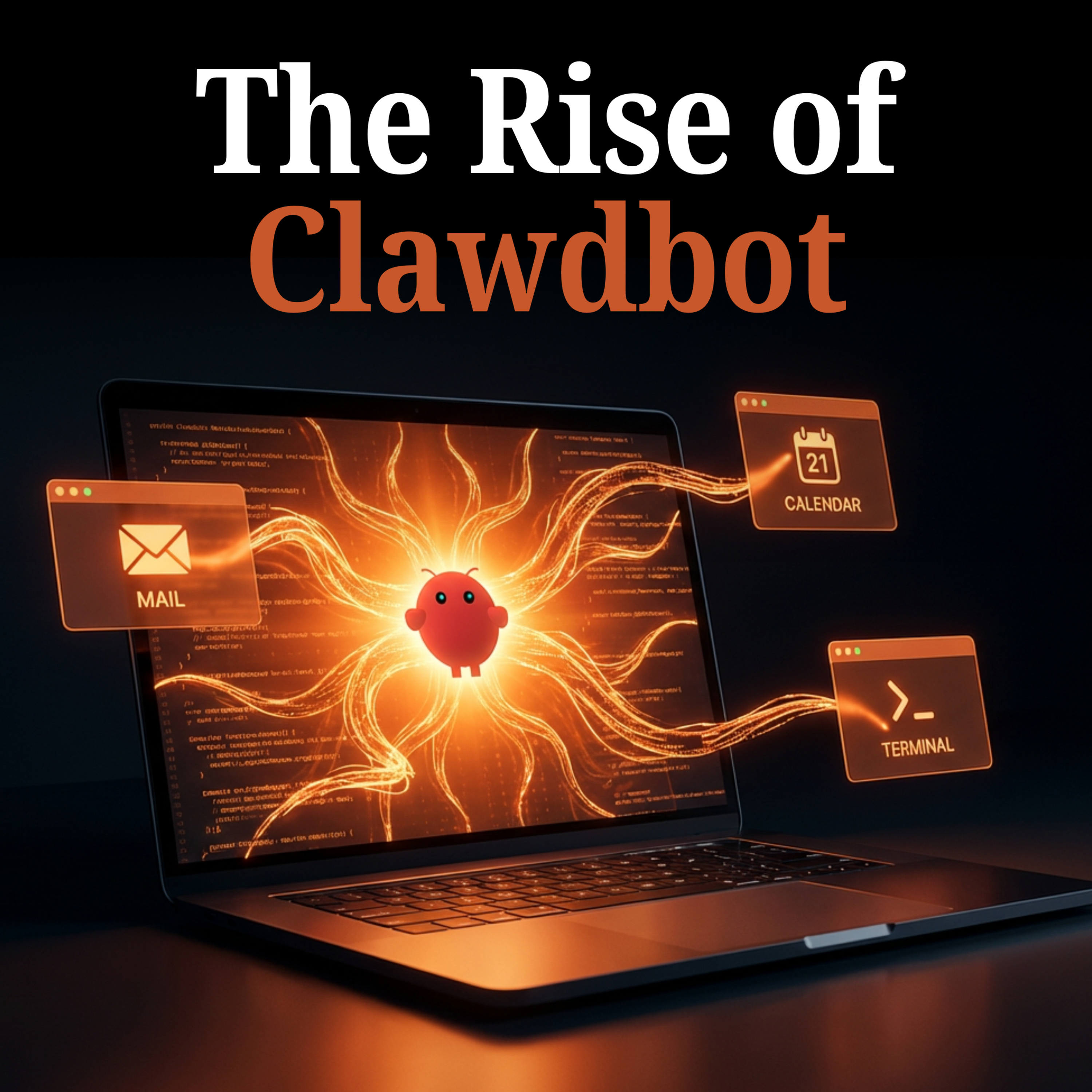
Unlike traditional automation that follows simple rules (e.g., match competitor price), AI agents optimize for a business goal. They synthesize data from siloed systems like inventory and finance, simulate potential outcomes, and then recommend the best course of action.
