Get your free personalized podcast brief
We scan new podcasts and send you the top 5 insights daily.
Instead of directly praising his successor Greg Abel, Buffett's final letter is a masterclass in indirect endorsement. By repeatedly emphasizing traits like integrity and dependability, he frames character as the most crucial CEO qualification, implicitly anointing Abel without needing to mention his name often.

Related Insights
When you need to influence a decision-maker you can't reach directly, craft a "forwardable email." You're not writing an email *to* your champion; you're writing it *through* them. The content is tailored for the end recipient but sent by your champion, effectively "renting" their internal credibility and reputation.

Public company boards often hire CEOs using fuzzy adjectives like 'leader.' A better method is to first define 3-5 key strategic goals, creating a 'scorecard of success,' and then find a candidate whose track record specifically matches those objectives.

For a controversial strategic shift, a co-founder's "moral authority" is invaluable. They can absorb the risk of looking foolish and give up their responsibilities ("Legos") to spearhead a new initiative. This allows them to champion a new direction with a level of credibility that can overcome internal skepticism.

Experience taught Herb Wagner that great leaders consistently surprise on the upside. He now weights leadership quality far more heavily, assessing CEOs not by interviews or charisma, but by their verifiable track record and through trusted backchannel references who have worked with them directly.
Tim Ferriss's success as an angel investor was built on a reputation for discretion and trustworthiness. Founders entrusted him with confidential information, giving him access to top-tier deals. This shows that reputation is a tangible asset that can yield greater returns than direct monetization schemes.

A company’s true values aren't in its mission statement, but in its operational systems. Good intentions are meaningless without supporting structures. What an organization truly values is revealed by its compensation systems, promotion decisions, and which behaviors are publicly celebrated and honored.
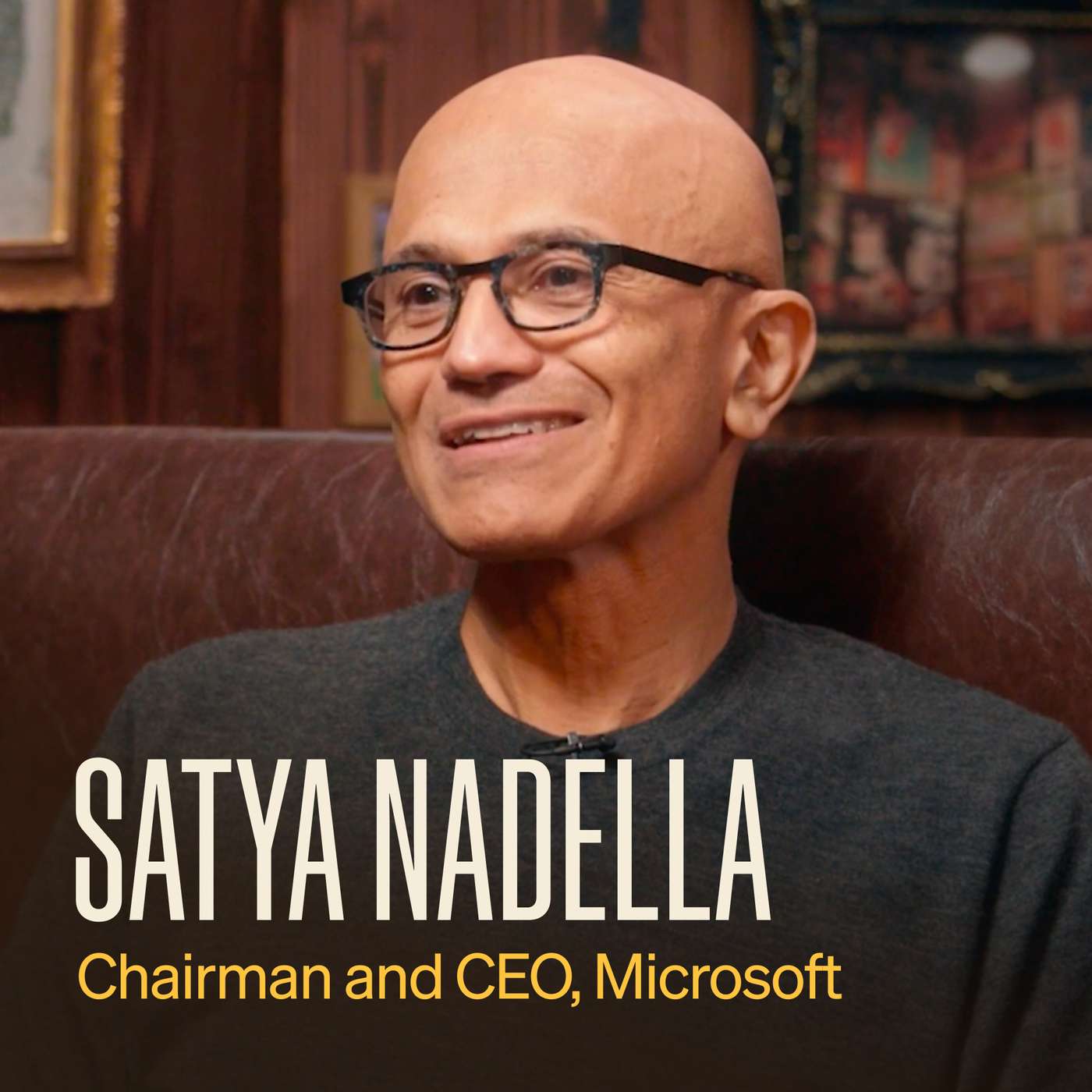
Successor CEOs cannot replicate the founder's all-encompassing "working memory" of the company and its products. Recognizing this is key. The role must shift from knowing everything to building a cohesive team and focusing on the few strategic decisions only the CEO can make.
When transitioning leadership, you must allow your successors to make mistakes. True learning comes from fixing failures, not just replicating successes. As the founder, your instinct is to prevent errors, but you must permit 'fuck ups' for the next generation to truly develop their own capabilities and own the business.
![Ari Emanuel - The Anti-AI Bet - [Invest Like the Best, EP.448] thumbnail](https://megaphone.imgix.net/podcasts/c5910280-c4dd-11f0-94be-ab6a7a5865b0/image/1e5a2263eb62fcde200846919e24419a.jpg?ixlib=rails-4.3.1&max-w=3000&max-h=3000&fit=crop&auto=format,compress)
Contrary to the cultural narrative that aging diminishes relevance, experience brings profound advantages. Older leaders are often smarter, more in tune with their integrity, and less afraid to take risks or disappoint others, making them more effective and resilient.

An underappreciated component of Warren Buffett's success is his effective communication, which builds immense trust with investors. This trust provides a stable capital base and a longer leash to operate during inevitable periods of poor performance, creating a significant competitive advantage over less communicative peers.