Get your free personalized podcast brief
We scan new podcasts and send you the top 5 insights daily.
Non-native speakers often focus on words and grammar, but mismatched rhythm and stress patterns (prosody) can make them unintelligible. For example, applying a syllable-timed pattern (like in Spanish) to a stress-timed language (like English) can garble words more than incorrect pronunciation.

Related Insights
The belief that one doesn't have an accent is a common myth. Our own speech patterns are normalized by our environment, making them seem like the default. We are conditioned to only notice accents when someone's speech deviates from this familiar norm, which creates the illusion that we are accent-less.
Communication breakdown isn't just the speaker's fault. Listeners have a "listening accent"—a cognitive bias shaped by their own language experience. This creates a processing burden when hearing unfamiliar speech, affecting comprehension independently of the speaker's clarity. Communication is a shared responsibility.
While not always politically correct to admit, a strong accent can be an initial barrier because it forces the prospect to focus more on understanding the words than on the value being communicated. The solution isn't to eliminate the accent, but to compensate by slowing down and enunciating clearly.

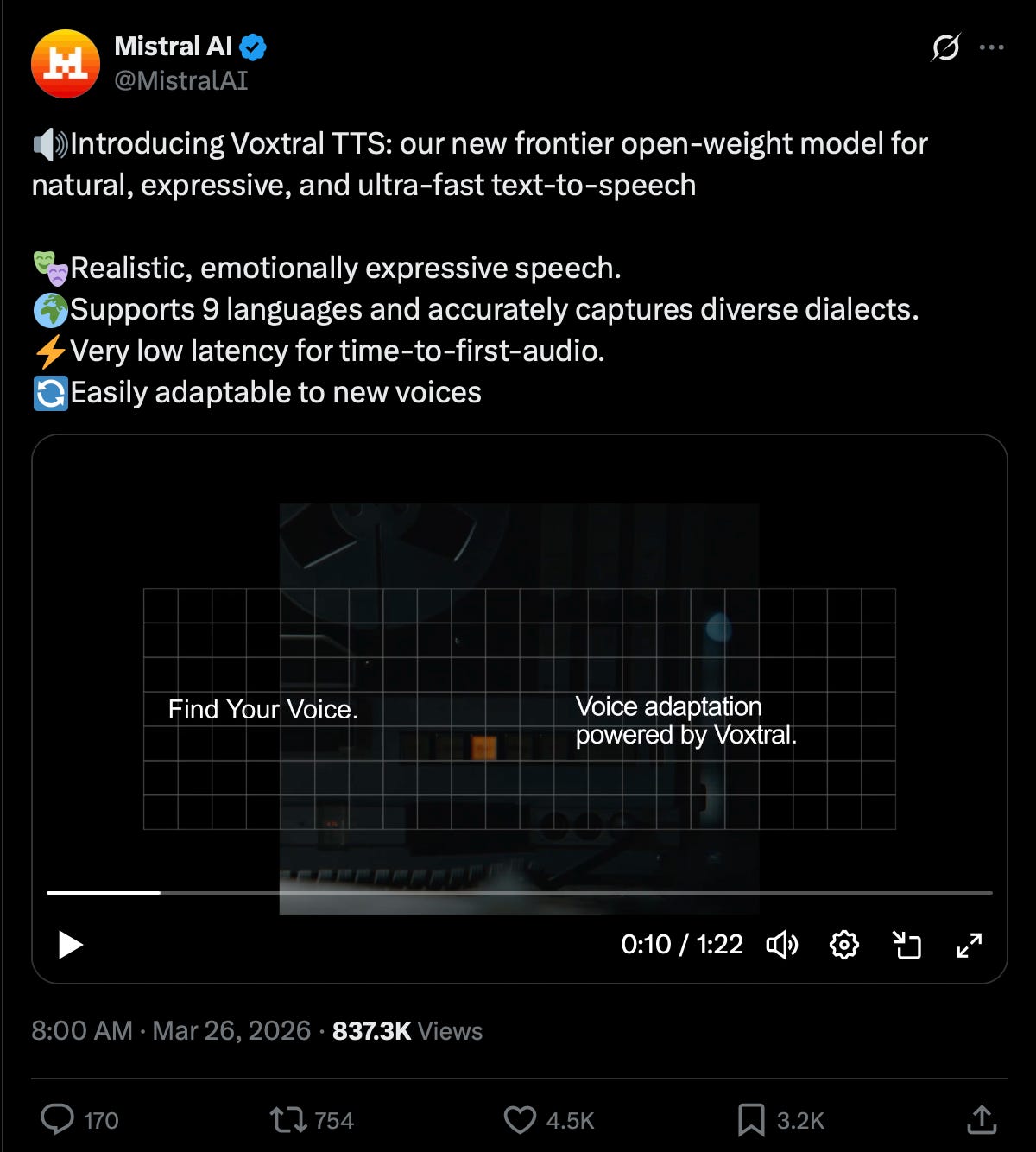
Standard methods can produce 'blurry' audio by averaging possible speech inflections. Flow matching models the full distribution of how a word can be spoken, allowing it to pick a specific, sharp inflection from that distribution, leading to more natural-sounding speech.
There are distinct influencer accents for different goals. 'Lifestyle' influencers use a cozy, slower pace for parasocial connection. 'Educational' influencers use a faster, authoritative, staccato style to be perceived as a trusted source, not a relatable friend.

No language is 'perfect' because its evolution is a trade-off. Speakers tend toward efficiency and simplification (slurring), while hearers require clarity and precision. This constant tug-of-war drives linguistic change, explaining why languages are always in flux.

In a high-stakes interview, the interviewee used a 'pregnant pause' and spoke slowly instead of using filler words. This projected thoughtfulness and control. In contrast, the interviewer's rapid speech and verbal fillers undermined her credibility and ability to connect with her subject.

Even for well-resourced languages like French and German, voice interaction model quality is poor compared to English. Users instinctively speak slower and articulate more carefully, revealing a significant gap in creating natural, conversational experiences for a global user base.
Listeners need a moment to adjust to an unfamiliar accent. When a crucial piece of information like a name is said first, the listener's brain is still acclimating and may miss it. Saying a short introductory sentence first allows the listener to adapt, ensuring they hear and retain your name.
The pressure to sound like a native speaker is an unrealistic and counterproductive goal. Non-native speakers should instead focus on being easily understood and feeling confident. An accent is a part of one's identity and history, not a flaw to be erased for the sake of an idealized fluency.