Get your free personalized podcast brief
We scan new podcasts and send you the top 5 insights daily.
To inject responsibility into a speed-obsessed culture, frame the conversation around specific risks. Create documented assumptions about what might break and, crucially, identify who bears the impact if things go wrong. This forces a deliberate consideration of consequences.

Related Insights
In a highly collaborative and fast-paced environment, assign explicit ownership for every feature, no matter how small. The goal isn't to assign blame for failures but to empower individuals with the agency to make decisions, build consensus, and see their work through to completion.

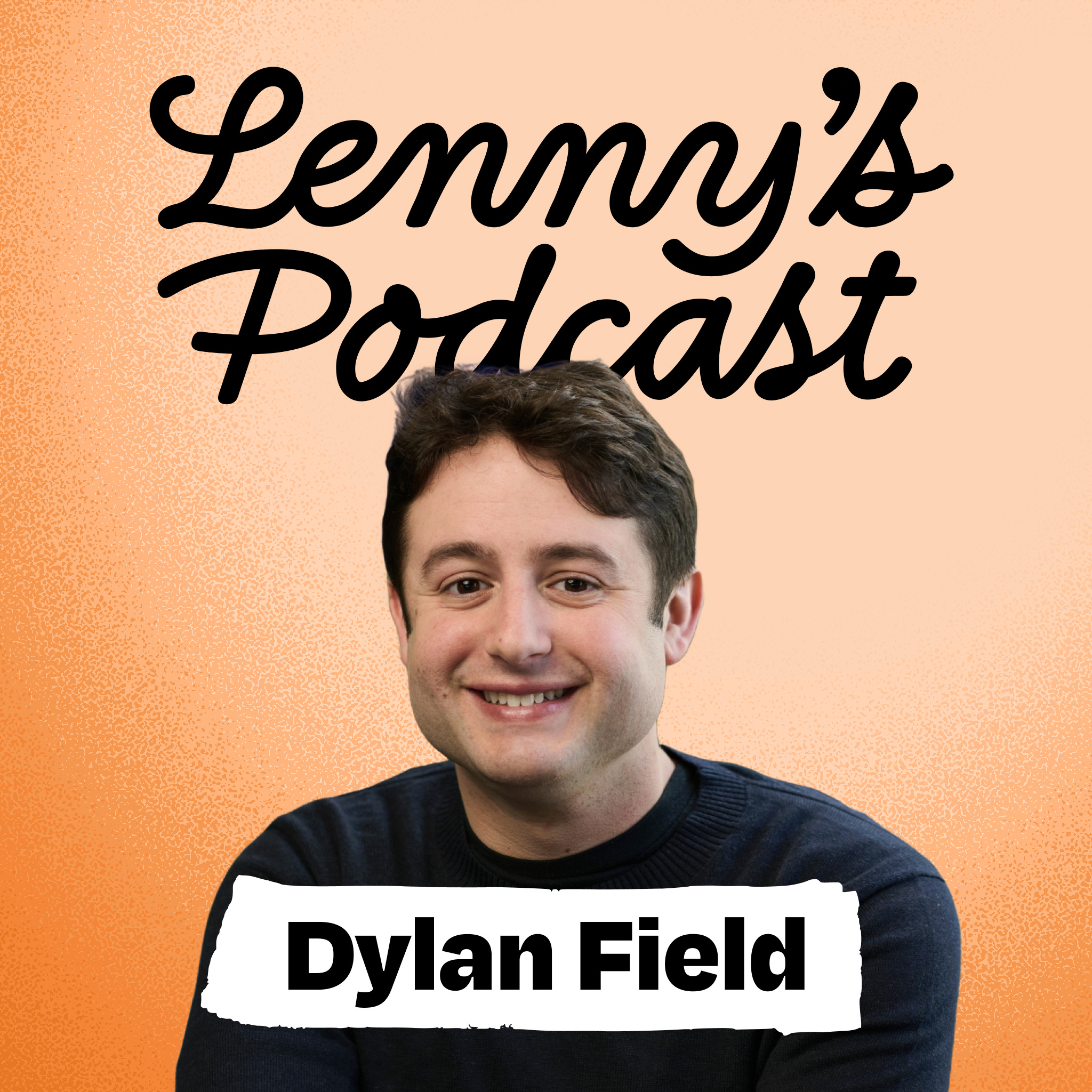
CEO Dylan Field combats organizational slowness by interrogating project timelines. He seeks to understand the underlying assumptions and separate actual work from "well-intentionally added" padding. This forces teams to reason from first principles and justify the true time required, preventing unnecessary delays.
During product discovery, Amazon teams ask, "What would be our worst possible news headline?" This pre-mortem practice forces the team to identify and confront potential weak points, blind spots, and negative outcomes upfront. It's a powerful tool for looking around corners and ensuring all bases are covered before committing to build.

Before a major initiative, run a simple thought experiment: what are the best and worst possible news headlines? If the worst-case headline is indefensible from a process, intent, or PR perspective, the risk may be too high. This forces teams to confront potential negative outcomes early.
Instead of creating a massive risk register, identify the core assumptions your product relies on. Prioritize testing the one that, if proven wrong, would cause your product to fail the fastest. This focuses effort on existential threats over minor issues.

The 'fake press release' is a useful vision-setting tool, but a 'pre-mortem' is more tactical. It involves writing out two scenarios before a project starts: one detailing exactly *why* it succeeded (e.g., team structure, metrics alignment) and another detailing *why* it failed. This forces a proactive discussion of process and risks, not just the desired outcome.

Tailor your innovation story to your company's risk culture. For risk-averse organizations, proactively acknowledging potential problems, barriers, and what could go wrong is more persuasive. For risk-tolerant cultures like Amazon's, leading with opportunity and the potential for learning is more effective.

Instead of avoiding risk, teams build trust by creating a 'safe danger' zone for manageable risks, like sharing a half-baked idea. This process of successfully navigating small vulnerabilities rewires fear into trust and encourages creative thinking, proving that safety and danger are more like 'dance partners' than opposites.

Before starting a project, ask the team to imagine it has failed and write a story explaining why. This exercise in 'time travel' bypasses optimism bias and surfaces critical operational risks, resource gaps, and flawed assumptions that would otherwise be missed until it's too late.

When stakeholders want to ship a high-fidelity prototype immediately, counter by explaining the required effort using numbers. Frame the work in terms of scale (e.g., "This must support 200 products, each requiring a week of testing") to manage expectations and justify proper engineering.
