Get your free personalized podcast brief
We scan new podcasts and send you the top 5 insights daily.
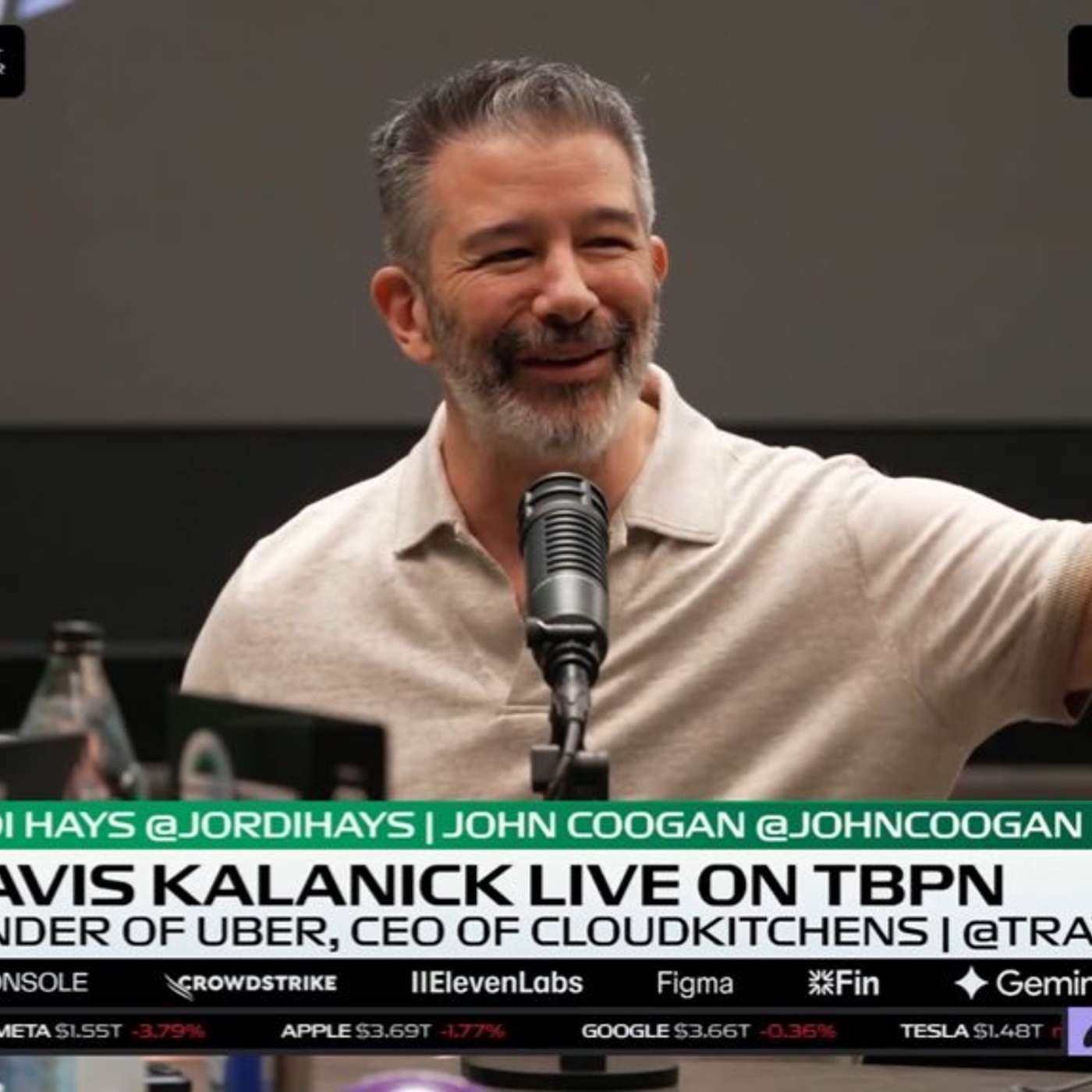
For mega-rounds, Uber ran a highly systematized process with four parallel rooms for different check sizes, from $25M to over $250M. It used an auction-like model, asking investors for bids at various valuations to build a demand curve and optimize pricing, treating fundraising like a scalable product.
Related Insights
Raising billions isn't a single meeting. It’s a lengthy process of due diligence where investors vet the team, track record, and operations. Thomas Mueller-Borja jokes this requires "high levels of serotonin" to handle the long timelines and frequent rejections.

Raise capital when you can clearly see upcoming growth and need resources to service it. Tying your timeline to operational milestones, like onboarding new customers, creates genuine urgency and momentum. This drives investor FOMO and helps close deals more effectively than an arbitrary deadline.

Instead of running a competitive fundraising process, Morton favors preemptive offers from investors. He believes this approach selects for partners with the highest conviction in his vision, which is more valuable long-term than simply maximizing valuation in a bidding war.

The YC fundraising process for top companies is a blitz. The best investors don't wait for scheduled meetings; they proactively ask to move them up, creating a frenzy where rounds can fully close in 36-48 hours. Juxta's founder took 16 meetings and received 16 investment offers, closing the round before most meetings occurred.

A powerful fundraising tactic is to continually increase your total round size as you hit initial targets. This allows you to always be '50% closed' or more, constantly signaling momentum and de-risking the opportunity for new investors you speak with.

In hyper-competitive, winner-take-all markets like ride-sharing or AI, Kalanick argues that the ability to attract capital is itself a core competency and strategic weapon. Being the best at fundraising is as critical as having the best product, as capital enables scale and endurance against rivals.
Thomas Mueller-Borja demystifies large-scale fundraising by breaking it down into a numbers game. To raise $2 billion with an average ticket of €50 million, you need 40 investors. Assuming a 20% conversion rate, this requires building and maintaining a prospect funnel of 200 global leads.
Instead of a formal roadshow, founders should let future lead investors invest small amounts months in advance. Providing them with regular updates and hitting stated milestones builds immense trust, making the actual fundraise a quick, targeted process that optimizes for partner over price.

The most sought-after YC companies have rounds that fill and oversubscribe on the first day of fundraising, often within hours. This extreme velocity means VCs who require multiple meetings or lengthy diligence will lose the deal, necessitating a process built for one-call decisions.
For startups taking on industrial giants, large capital raises are a competitive weapon, not just for growth. Accessing low-cost capital is a strategic advantage that directly lowers product costs, making massive fundraising a prerequisite to even sit at the table.
