Get your free personalized podcast brief
We scan new podcasts and send you the top 5 insights daily.
GOP strategists advised Republicans not to repeat the Democrats' error of bragging about economic data while people struggle financially. Trump ignored this, failing to show empathy. This alienates swing voters who don't feel the proclaimed boom, undermining his message.

Related Insights
Political messaging that touts positive macroeconomic indicators like GDP growth is ineffective when citizens feel financial pressure. People vote based on their personal budgets and daily costs, making abstract economic reports a "terrible bumper sticker" and a losing campaign strategy.

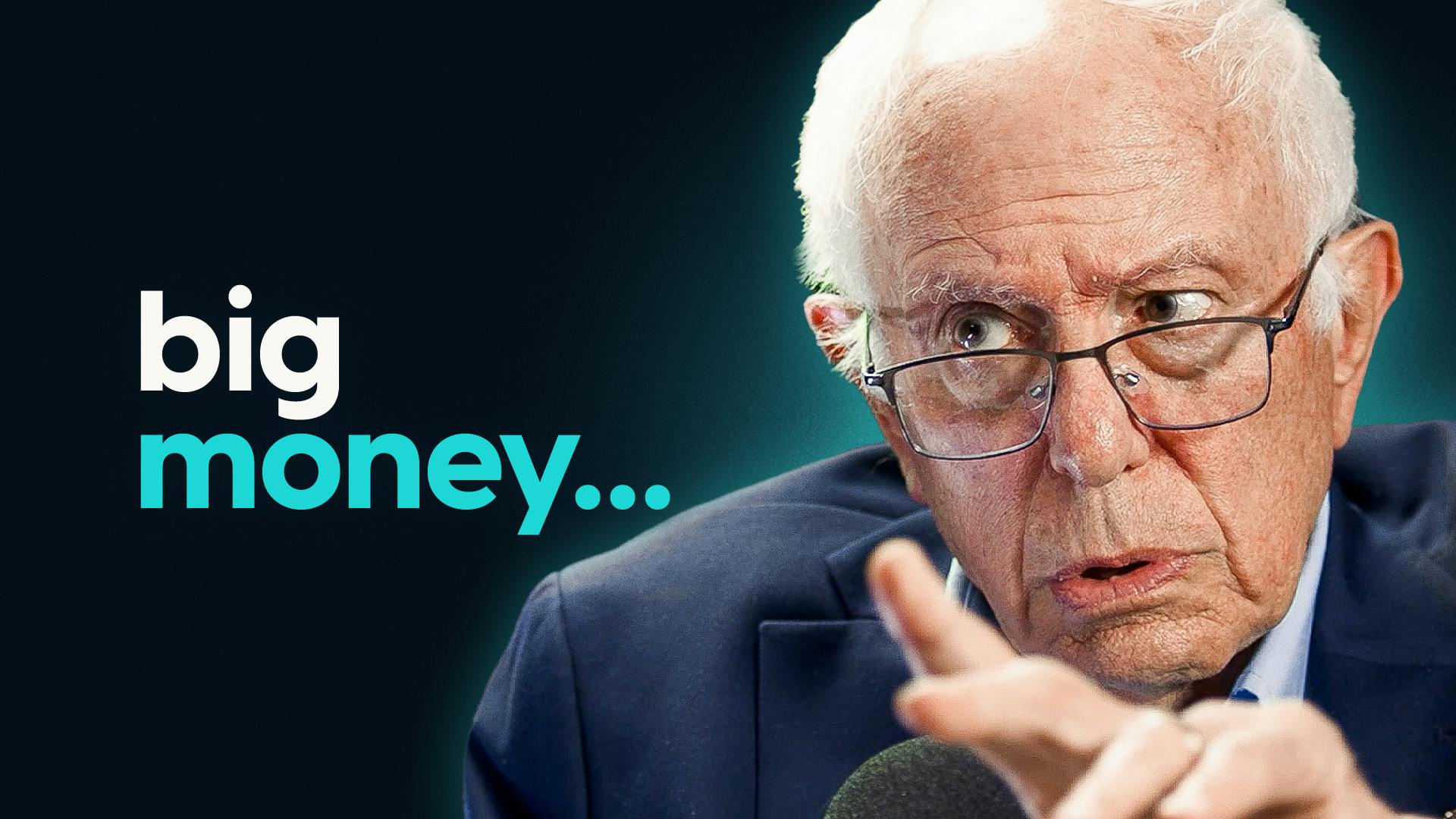
Senator Bernie Sanders argues the Democratic party, once the party of the working class, began courting wealthy donors in the 1970s. This strategic shift led them to neglect core economic issues, causing their traditional base to feel alienated and vote for candidates like Donald Trump.
A key driver of Trump's electoral shift was a coalition of two groups: young men under 30 and women aged 45-64. The thesis is that mothers, seeing their sons struggling economically and socially, voted for radical change out of desperation. For them, a system shake-up was more important than specific policies on issues like Ukraine or abortion rights.

The GOP is currently defending economic policies by pointing to macro indicators while ignoring public sentiment about unaffordability. This mirrors the exact mistake Democrats made in previous cycles, demonstrating a dangerous tendency for the party in power to become deaf to the lived economic reality of average citizens and dismiss their concerns.

The public's frustration with affordability stems from a psychological disconnect. While wages have risen to match higher prices, people perceive the inflation surge as an unfair loss, failing to connect it to their own income gains. This creates a political challenge where economic data and public sentiment diverge.

When seeking to regain public support, a political leader should focus on delivering concrete, measurable wins for citizens, such as lower energy costs. Data-driven results that people can feel in their wallets are far more effective than attempting to spin a new story or narrative.

The feeling of living paycheck-to-paycheck creates a 'psychological torture' and a sense of dread that transcends traditional political allegiances. This shared economic anxiety makes voters, including crossover Trump supporters, receptive to populist messages from both ends of the spectrum, whether from Donald Trump or from progressives like AOC and Bernie Sanders.

While repeating a lie can be a powerful political tool, it fails against the undeniable reality of personal economic experience. Issues like grocery and gas prices are 'BS-proofed' because voters experience them directly. No amount of political messaging can convince people their financial situation is improving if their daily costs prove otherwise.

For some voters, a single, clear display of economic incompetence from an administration—such as an advisor failing to explain basic monetary theory—can be a 'radicalizing' event. This can override all other policy considerations and become the primary reason to vote for the opposition.

Political alignment is becoming secondary to economic frustration. Voters are responding to candidates who address rising costs, creating unpredictable alliances and fracturing established bases. This dynamic is swamping traditional ideology, forcing both parties to scramble for a new populist message centered on financial well-being.