Get your free personalized podcast brief
We scan new podcasts and send you the top 5 insights daily.
When seeking to regain public support, a political leader should focus on delivering concrete, measurable wins for citizens, such as lower energy costs. Data-driven results that people can feel in their wallets are far more effective than attempting to spin a new story or narrative.

Related Insights
Political messaging that touts positive macroeconomic indicators like GDP growth is ineffective when citizens feel financial pressure. People vote based on their personal budgets and daily costs, making abstract economic reports a "terrible bumper sticker" and a losing campaign strategy.

Hope is framed not as a sentiment, but as a core political strategy. If voters believe improvement is possible, they will vote for change. Conversely, if convinced that things are hopeless and will never improve, they are more likely to stick with the status quo, benefiting the incumbent party by default.

Political messaging that separates economic issues (like grocery prices) from the fight for democracy is ineffective. Leaders should instead argue that protecting democracy is the only way to ensure economic stability and prevent servitude to oligarchs, a strategy used by Lincoln and FDR.

Political messaging focused on 'equity' and villainizing wealth often backfires. Most voters don't begrudge success; they want access to economic opportunity for themselves and their families. A winning platform focuses on enabling personal advancement and a fair shot, not on what is described as a 'patronizing' class warfare narrative.

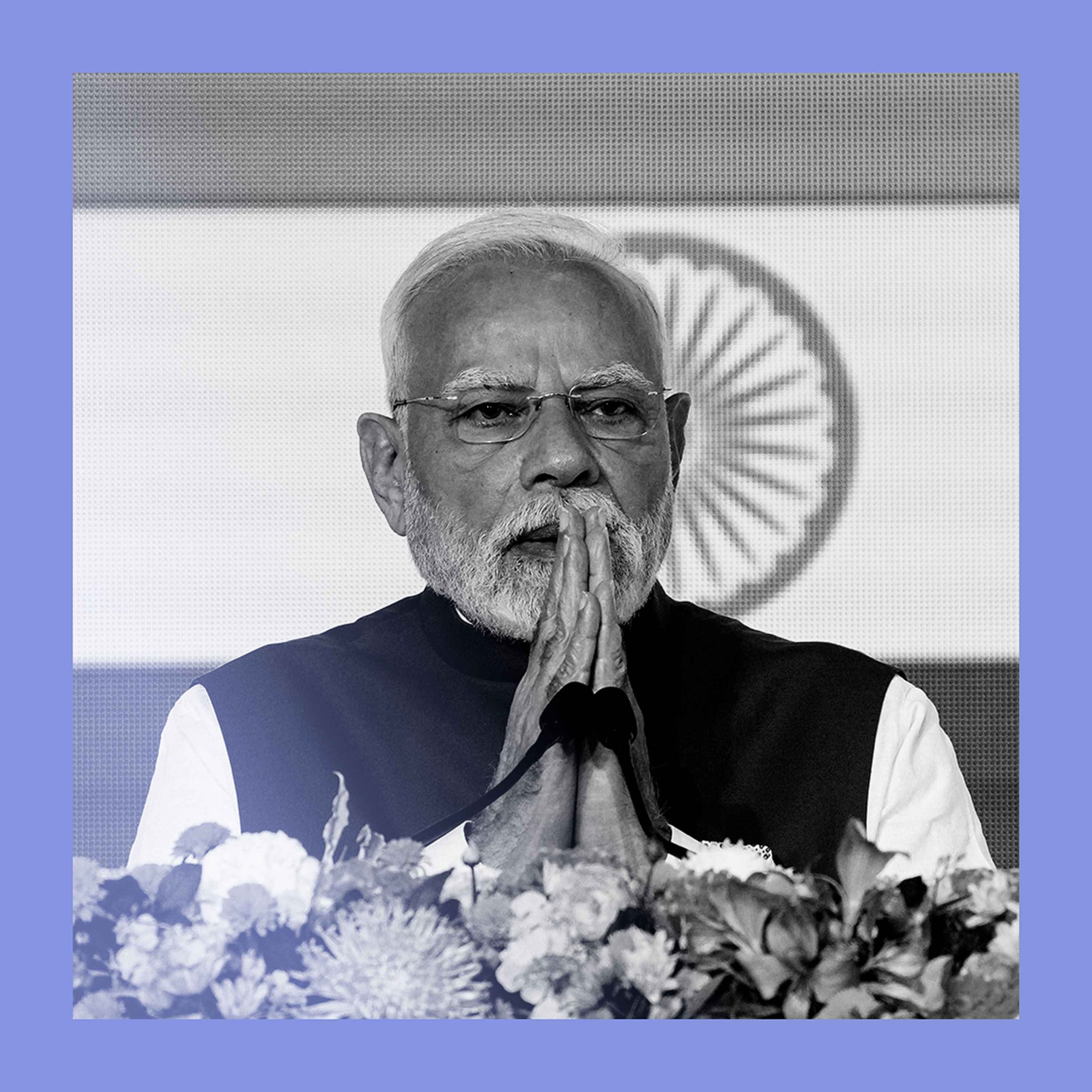
After a disappointing 2024 election where his party lost its majority, Narendra Modi shifted focus from a divisive cultural agenda to pragmatic economic reforms. This includes simplifying taxes, overhauling labor laws, and securing trade deals, a move that has helped him regain political dominance and respond to voter concerns about inflation.
Covering politics by only looking at politicians is like staring at the sun—it blinds you. A smarter approach is to cover surrounding issues like housing affordability, consumer confidence, and economic trends, as these are the underlying forces that ultimately shape political outcomes.

While repeating a lie can be a powerful political tool, it fails against the undeniable reality of personal economic experience. Issues like grocery and gas prices are 'BS-proofed' because voters experience them directly. No amount of political messaging can convince people their financial situation is improving if their daily costs prove otherwise.

In high-stakes product decisions, data alone is insufficient to persuade senior leaders. A compelling narrative that taps into emotions and vision is more effective. The better story, even with less supporting data, will often win against a data-dump because decisions are both rational and emotional.

Leaders who immediately frame issues through a lens of core values, such as constitutionality, build more trust than those who calculate a politically palatable position. The public can detect inauthenticity, making a principles-first approach more effective long-term, even if it seems risky in the short term. Leaders should bring people along to their principled position.

The decentralization of information has eroded trust in traditional authorities. To persuade modern audiences, you can't rely on your title or position. Instead, you must present concrete evidence, data, and receipts to build a credible case from the ground up, letting the facts speak for themselves.