Get your free personalized podcast brief
We scan new podcasts and send you the top 5 insights daily.
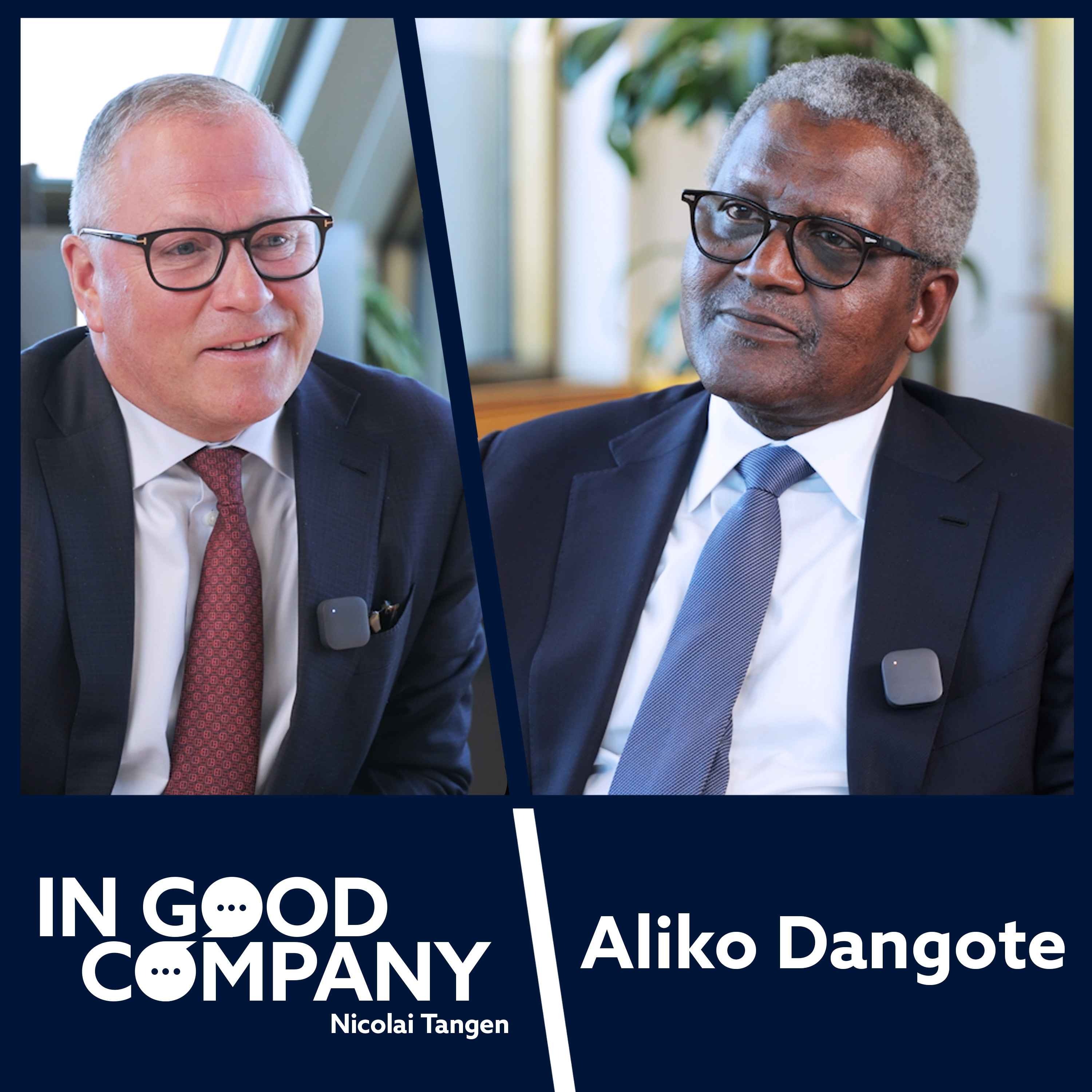
While Aliko Dangote's massive IPO is marketed to democratize ownership among everyday Africans via a local listing, the company is already planning a secondary listing in New York. This dual approach recognizes that while local retail investors build a strong domestic base, significant liquidity and market depth still require tapping into global institutional capital.

Related Insights
To circumvent a state-controlled banking system that favored SOEs, private Chinese automakers sought capital abroad. Brilliance Auto's 1992 IPO on the NYSE, which raised $70 million, occurred five years before even tech giant TSMC went public overseas.

Aliko Dangote reveals China's competitive edge in Africa is superior financing. Chinese firms offer attractive supplier credits, such as 20% down with a five-year term, backed by state insurance. This allows African companies to scale projects faster compared to Western firms that often demand full payment upfront.

Aliko Dangote argues that emerging markets mistakenly chase foreign capital. The key is for domestic investors to first show confidence by reinvesting heavily in their own economies. This local commitment is the most powerful signal that attracts and de-risks opportunities for foreign investors.
Companies like Bamboo are making stock markets accessible to millions across Africa via mobile apps. By simplifying the process and pitching it as a safer alternative to saving cash, they are creating a new class of retail investors whose small but numerous trades are adding up and deepening local markets.
Aliko Dangote posits that a common mistake in emerging markets is seeking foreign investment prematurely. He argues that foreign investors are only truly attracted when they see significant, sustained investment from domestic entrepreneurs, which proves local confidence in the economy.
A consistent flow of $3 billion per month from domestic systematic investment plans provides a stable, local buyer base for IPOs. This de-risks private equity exits by reducing reliance on volatile foreign institutional flows, making public markets a more reliable exit path.

According to Dangote, China's business success in Africa stems from its aggressive financing terms. Unlike Western companies that often require full payment upfront, Chinese suppliers offer multi-year credit with small down payments, backed by their state insurance, enabling African companies to leverage capital and grow faster.
For many large companies today, an IPO's primary purpose has shifted from raising growth capital—which is readily available in private markets—to creating liquidity for early investors and employees. The public offering acts as a valuation marker and an exit opportunity, not a funding necessity.

To de-risk investment for foreigners wary of local currency volatility, Dangote's new ventures guarantee dividend payments in U.S. dollars. This is made possible by structuring the businesses to generate over 80% of their revenue in dollars through exports, directly addressing a primary friction point for international capital.
Contrary to the traditional focus on institutional investors, allocating a significant portion of an IPO to retail investors creates a loyal shareholder base. This "retail following" can result in higher valuation multiples and sustained brand advocacy, turning customers into long-term owners and a strategic asset.
